
In many Zimbabwean communities, access to reliable energy and safe sanitation remains a pressing challenge, especially in boarding schools where thousands of students still depend on outdated cooking and waste management systems. The heavy reliance on firewood not only accelerates deforestation but also exposes kitchen staff to harmful smoke and increases operational costs for schools.
In response to these challenges, Tapiwa Goremusandu, #E4ImpactEntrepreneur and alumnus of the Global MBA in Harare, founded Shamwari Sanitation, a company specializing in biogas technology. Through his enterprise, Tapiwa is transforming how schools manage waste, cook food, and educate students about sustainable practices.
“The MBA Program transformed the way I approach and structure business ideas. The Business Model Canvas, in particular, helped me clearly identify the essential components of a successful enterprise. Learning from experienced entrepreneurs also grounded my understanding of what it truly takes to run a business in Zimbabwe, giving me both practical insight and a more strategic mindset.”
Let’s get to know Tapiwa better through the interview we conducted with him.
1. How was your business idea born?
My business idea was born from the genuine fascination I felt during my first encounter with biogas technology. The Shamwari Sanitation journey began in 2015, following the training of Zimbabwean biogas engineers by SNV. We saw an opportunity to use the skills we had acquired to address sanitation and clean energy challenges, particularly in boarding schools.
2. Could you share a general framework of the services, activities, solutions and/or benefits that your business has provided over the last years?
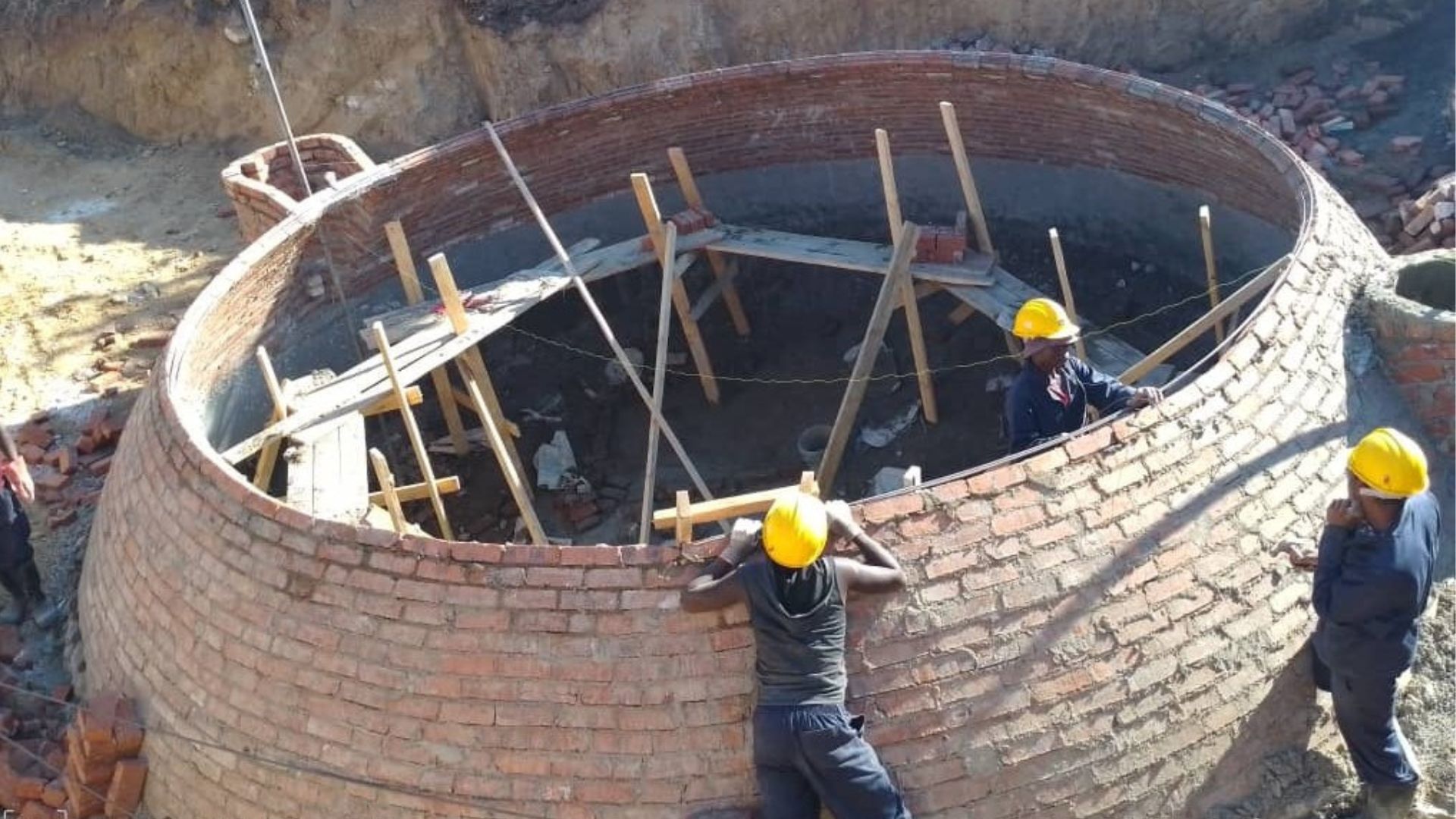
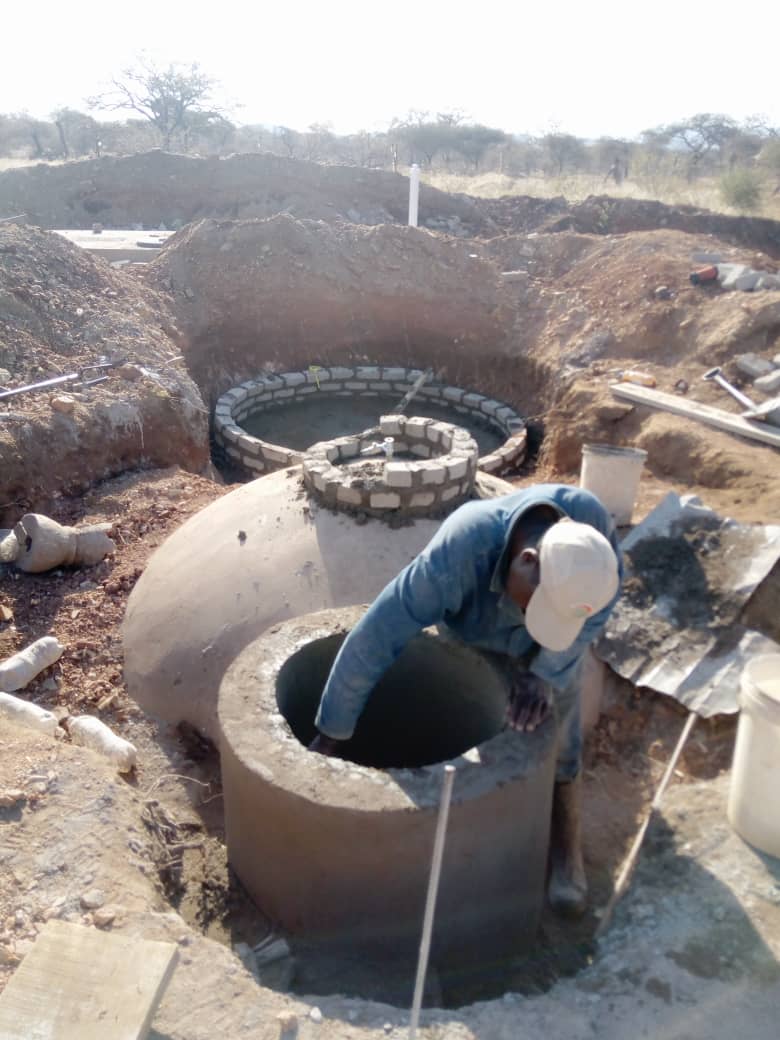
Over the past few years, we have constructed 12 biodigesters across the country, providing clean cooking energy and improved waste treatment for more than 3,000 students annually, as well as smoke-free cooking environments for over 30 chefs. Our work focuses on expanding and promoting biogas technology in boarding schools across Zimbabwe and the wider SADC region.
Our main clients include boarding schools, NGOs, and housing developments, with boarding schools remaining our primary beneficiaries. We operate nationwide, delivering solutions that improve waste management, increase access to clean energy, and offer students practical exposure to the principles of a circular economy.
3. What made you choose the E4I MBA Program?
I felt the need to expand my business network, strengthen my professional and educational growth, and gain the tools required to scale up my business. I also wanted to improve my business strategies while increasing the positive impact I create within my community.
4. Which are the main achievements in the last 3 years and the main desired goals in the next 3 years?
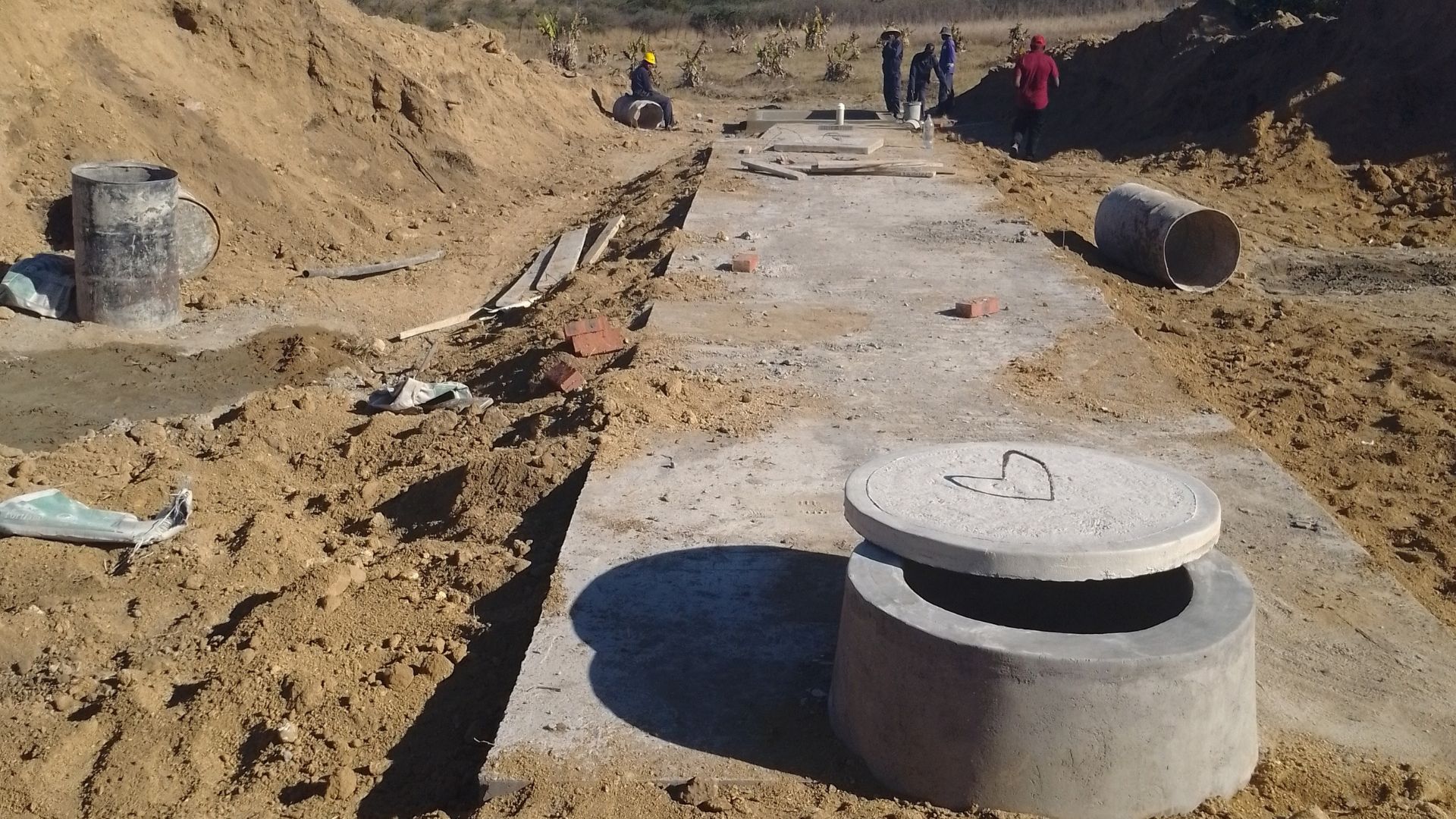
Over the past three years, we constructed the largest biodigester ever installed in an educational institution in Zimbabwe, expanded our workforce from 4 to 15 people, and reached a total of 12 biodigester installations nationwide. Our systems have replaced more than 500 tons of firewood, contributing significantly to forest conservation and creating clean, smoke-free cooking environments for over 30 chefs.
Looking ahead, our main goals for the next three years include partnering with banks to reduce upfront costs for schools and constructing at least 50 additional biodigesters within the next two years. These efforts will allow us to scale our impact, make clean energy more accessible, and further strengthen sustainable waste-to-energy solutions across Zimbabwe.
5. What has been the main challenge you had to overcome in your entrepreneurial experience? How have you managed to overcome it?
One of the main challenges was understanding and navigating the complexities of Zimbabwe’s economy, alongside the slow adoption of biodigesters in schools due to high upfront costs. To overcome these challenges, I had to be innovative, flexible, and willing to think outside the box. In particular, we are working on building strategic partnerships with banks to make biodigesters more affordable and encourage wider adoption.
6. Could you tell us a particular satisfactory moment you had in your entrepreneurial activity?
For sure, one of the most meaningful moments was completing the largest biodigester ever installed in a Zimbabwean school.
7. What impact have you seen in your environment, and what impact do you aim to create for your beneficiaries in the future?
I have seen students become inspired by the concept of a circular economy, to the point that many are interested in pursuing careers in this field. Their enthusiasm strengthens my hope of seeing a significant reduction in deforestation through the wider adoption of biodigesters, helping to create cleaner and more sustainable communities for future generations.
8. In your opinion, what are the main qualities an entrepreneur should have?
An entrepreneur should possess resilience and open-mindedness. It is also essential to be aware of the economic environment in which one operates and to build around it rather than against it.
9. Is there a person you are inspired by, i.e. an entrepreneur or a particular mentor?
I am greatly inspired by Jeff Bezos, founder and executive chairman of Amazon.
10. Finally, what would you suggest to a new-born entrepreneur?
Always look for ways to be innovative.