

Nairobi has a rhythm you feel before you fully understand it: matatus lining up, mama mboga arranging their stalls along Ngong Street, and an entire city already negotiating, building, and moving forward.
We stepped into that rhythm without quite knowing what to expect. Yet, as the months passed, we found ourselves immersed in a dynamic environment where resilience, creativity, and entrepreneurship are part of everyday life. By the time we left, we carried with us a completely new perspective on what it takes to build something meaningful, from a business to a career, or even a life.
More than a place we lived in, Nairobi became a source of inspiration, growth, and learning that will stay with us long after our journey ended.
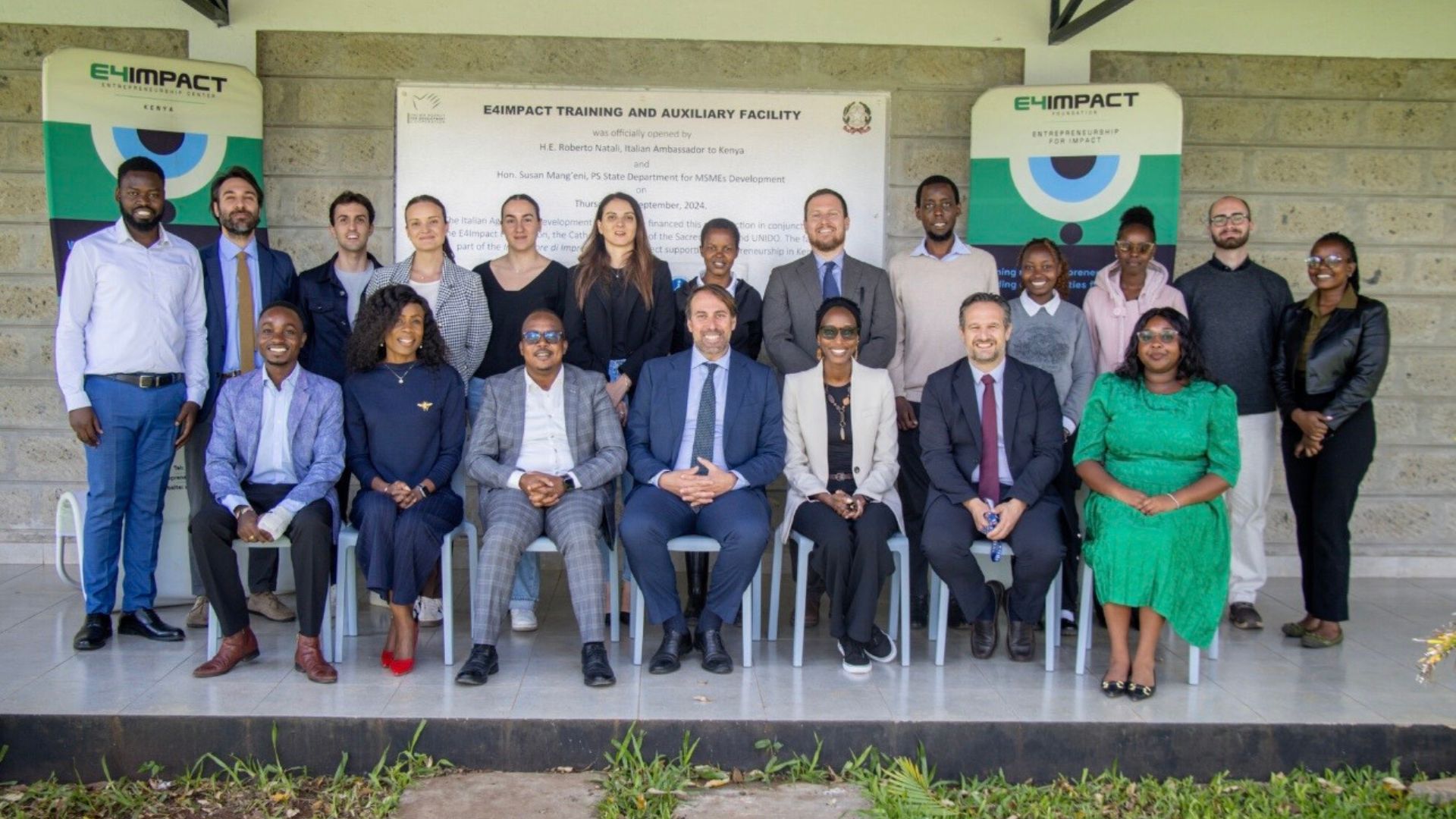
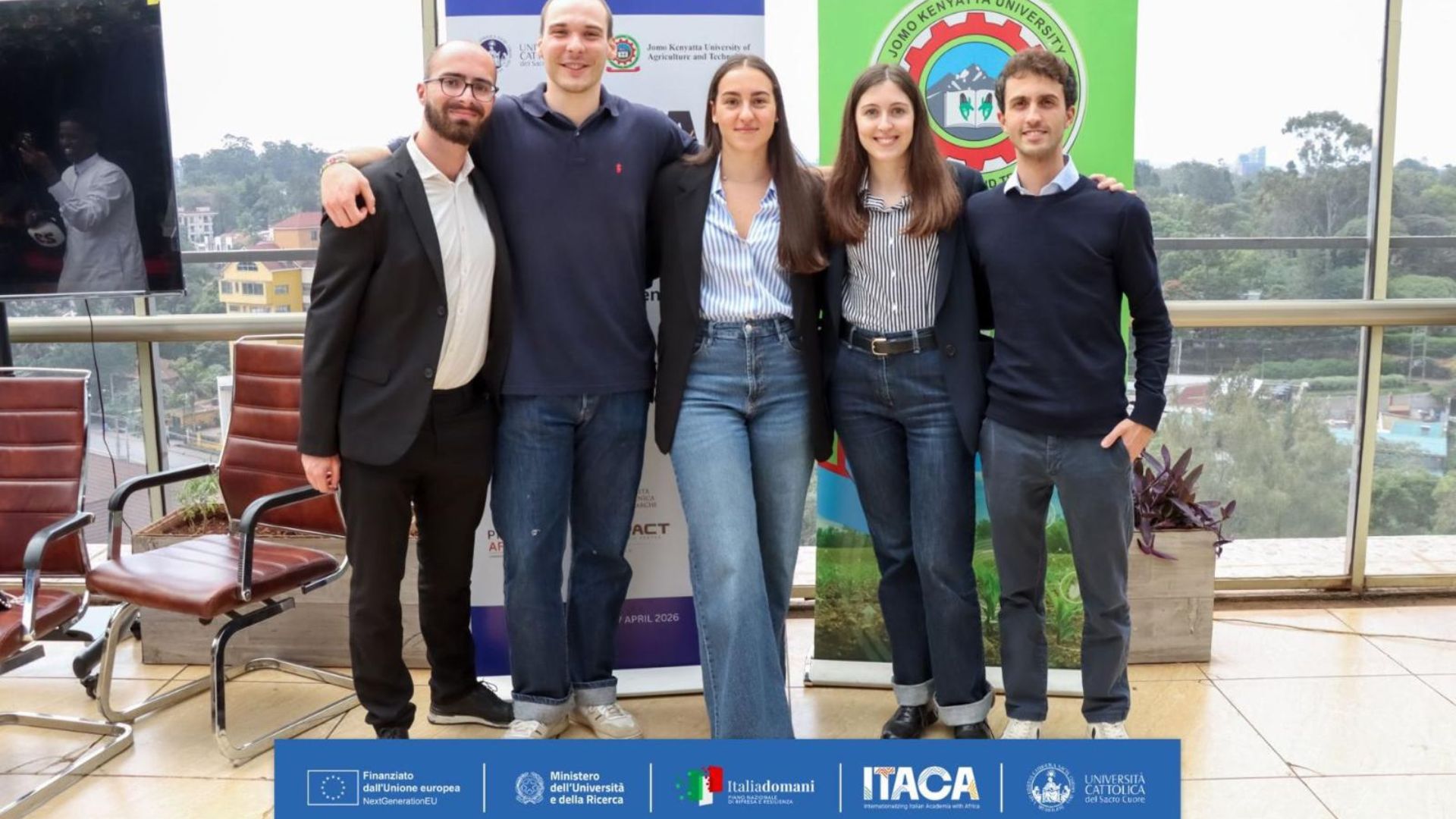
We are Andrea Quaranta and Chiara Galbusera, Master’s students in Business Management at Università Cattolica del Sacro Cuore in Milan. We first learned about the internship at the E4Impact Entrepreneurship Center in Nairobi from Prof. Mario Molteni during one of his Corporate Strategy lectures. It was an unexpected opportunity, one that immediately felt impossible to pass up. What inspired us to take the leap was the excitement of embracing the unknown: discovering a new country, immersing ourselves in a different culture and, above all, becoming part of E4Impact‘s mission to create impact.
At the center, we were assigned to several projects. Together, we worked closely on the Home-Grown Solutions Agribusiness Accelerator (HGSA-A), an initiative funded by the New Zealand Government through the Ministry of Foreign Affairs and Trade and implemented by AUDA-NEPAD. The programme supports twenty high-potential agribusinesses across the COMESA region, each tackling different challenges across the agricultural value chain. We were responsible for preparing the pitch deck and training materials, coordinating meetings and scheduling the masterclass calendar, as well as monitoring the project’s progress to ensure timely delivery of key milestones.
As part of the Vijana2Thrive project, we supported a structured initiative aimed at fostering youth entrepreneurship in Kenya, with a specific focus on the informal settlement of Mathare, located in the north-eastern part of Nairobi.
The intervention was designed to combine access to funding, skills development, and the long-term sustainability of entrepreneurial initiatives. The first phase involved assessing candidates against rigorous, transparent criteria aligned with the programme’s objectives. The evaluation considered the strength of the business proposals, their operational feasibility, growth potential, and expected impact on the local community. This process enabled us to identify the candidates best suited to receive funding and participate in the subsequent training programme.
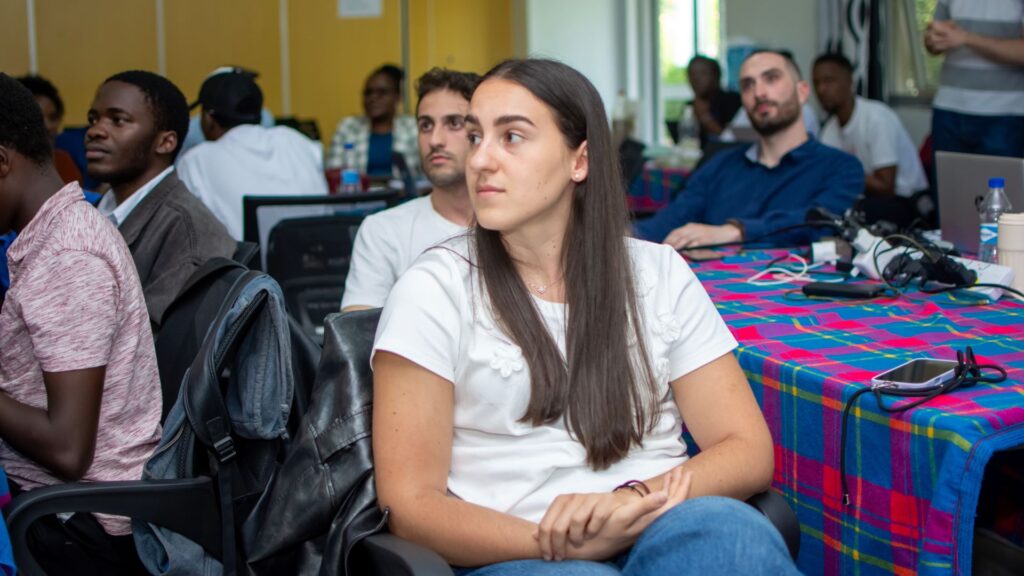
We then designed and delivered three training sessions focused on Business Model, Design Thinking, and Financial Literacy & Cash Management, with the aim of developing practical skills that participants could immediately apply to the management of their businesses.
The initiative helped establish stronger foundations for the creation and growth of sustainable enterprises, while also promoting greater economic and professional inclusion among young people in Mathare.
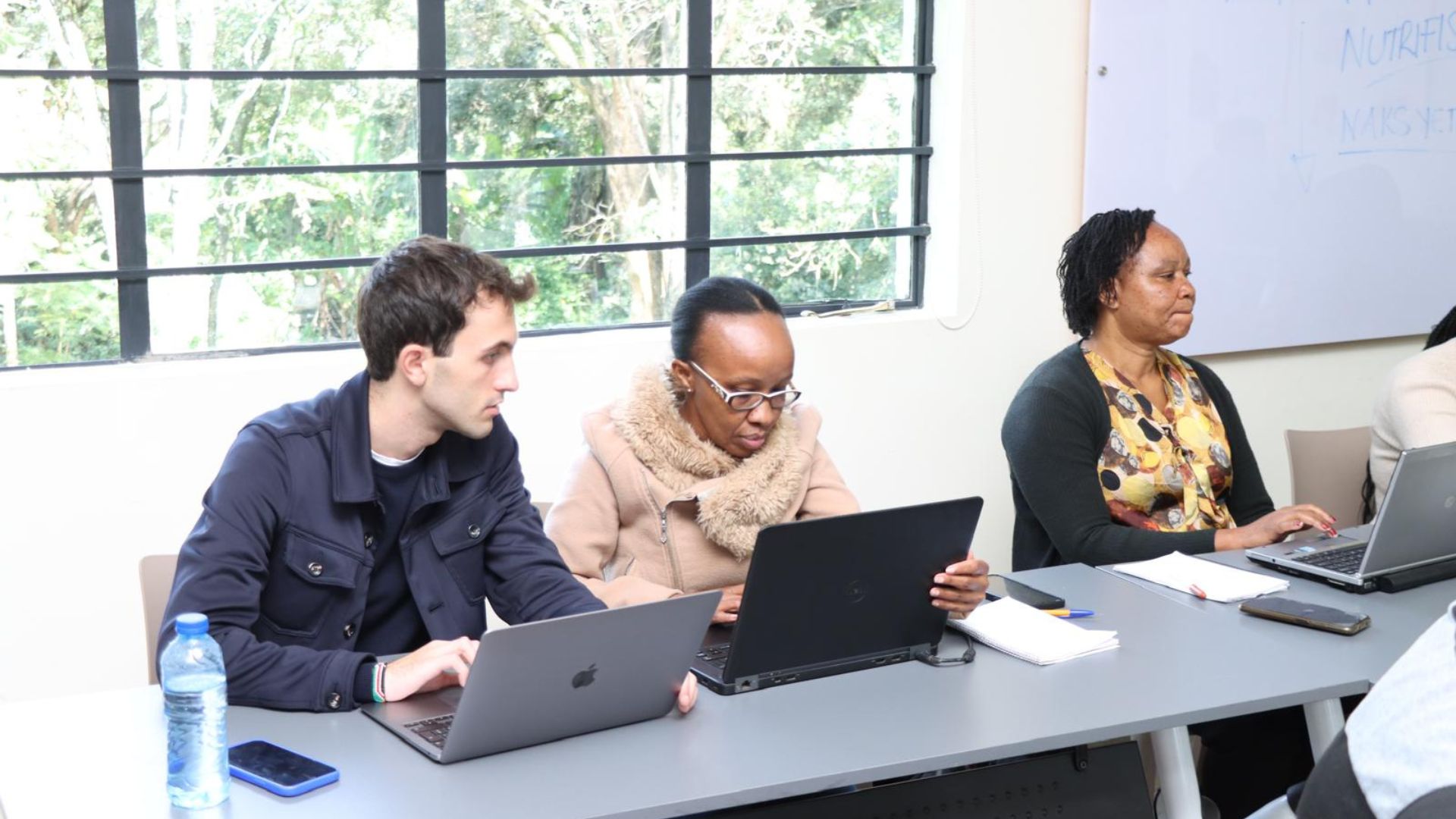
Looking back, E4Impact turned out to be much more than just a place to work. It was a warm, energetic environment where every single day brought something new to learn. A huge part of this experience was thanks to our Kenyan colleagues, who welcomed us with incredible patience and kindness.
Our time in Kenya extended far beyond the workplace. It became a journey of discovery, meaningful encounters, and unforgettable landscapes. From the very beginning, we were struck by the warmth of the people we met. Wherever we went, we found welcoming smiles, genuine curiosity, and a remarkable willingness to share stories and tradition. Those everyday interactions became some of the most memorable moments of our stay.
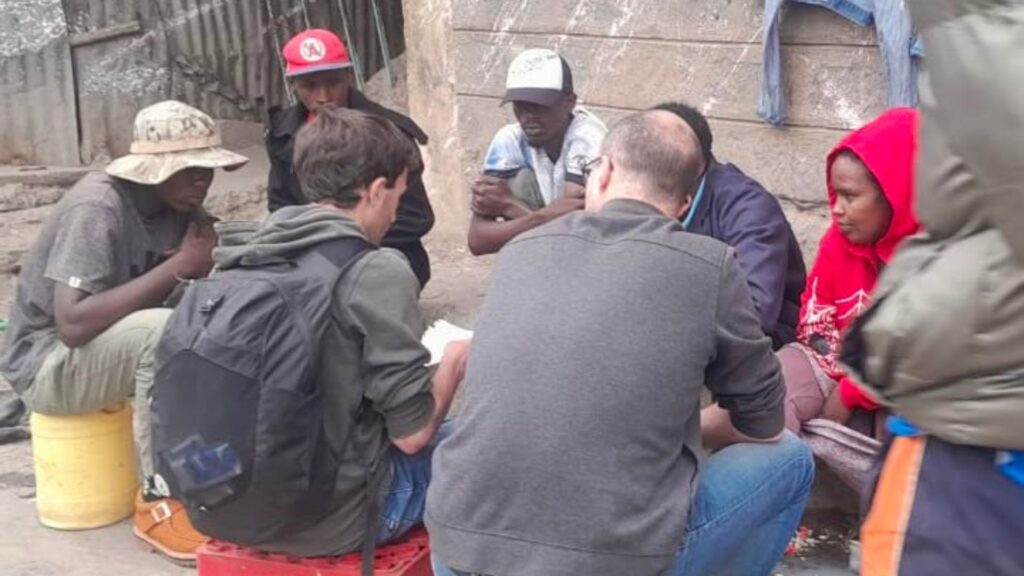
After our internship, we carried out field research for our Master’s thesis. Andrea focused his research on communities living in the informal settlements of Mukuru, Mathare, and Korogocho, conducting interviews to gain a deeper understanding of the relationship between poverty, social vulnerability, and environmental change. Chiara, on the other hand, interviewed entrepreneurs applying artificial intelligence in the healthcare and agricultural sectors, with the aim of assessing the social impact of these solutions on the Kenyan population.
Listening to their stories, seeing the passion they put into their work, and understanding the challenges they face every day transformed our research into something deeply human. What had started as an academic project quickly became a collection of real conversations, real ambitions, and real people whose determination left a lasting impression on us.
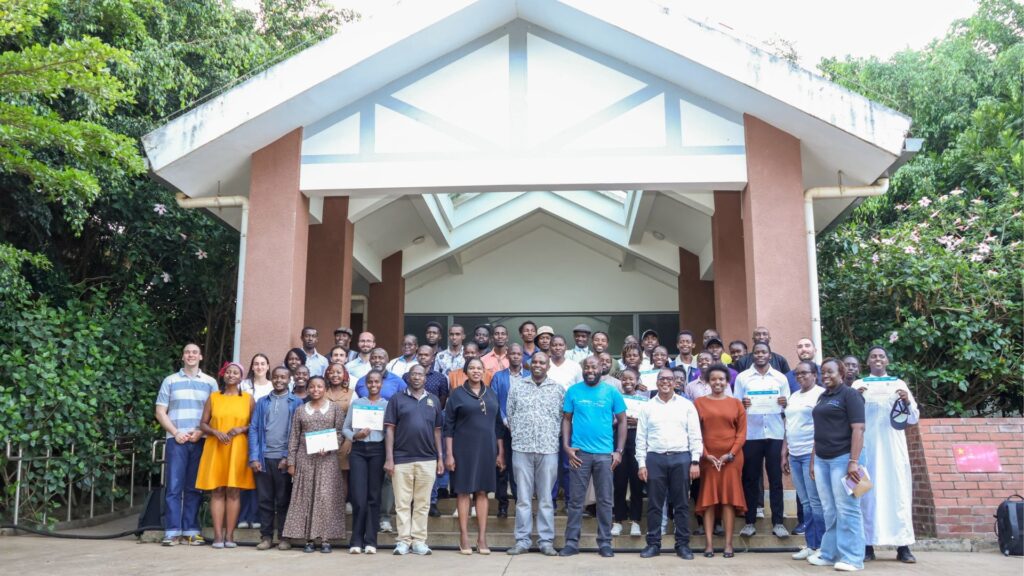
In the end, Kenya taught us the value of building genuine human connections and the importance of listening before trying to offer solutions. It also showed the resilience and energy of a country that is constantly looking ahead despite the challenges it faces.
Andrea Quaranta e Chiara Galbusera