

Ghana is facing significant disparities between its northern and southern regions, as well as between rural and urban areas, particularly in terms of nutrition and food security. Despite some national progress, hunger and malnutrition remain prevalent; the World Food Programme estimates that around 2 million people in the country are food insecure. The situation is getting even worse due to numerous challenges, such as climate change, low market prices, poor infrastructure, and insufficient education.
Philip Adaagonsa, #E4ImpactEntrepreneur from Ghana, has chosen to do his part in this situation and is committed to tackle food insecurity with his business Phidago Ltd, a company which focuses on building a sustainable agricultural system that promotes transparency and empowers communities.
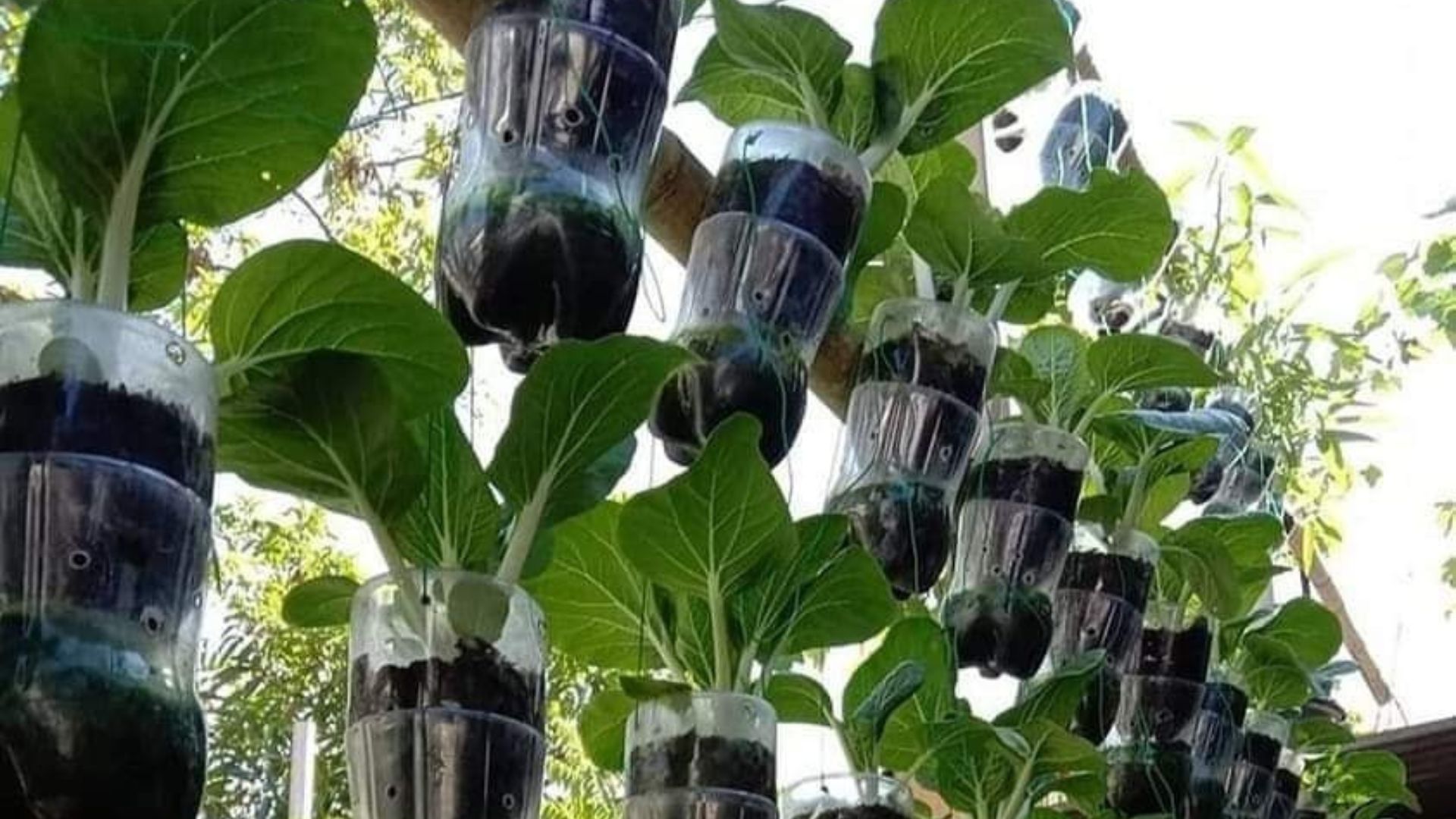
Philip joined our Global MBA in Impact Entrepreneurship at the University of Professional Studies in Accra in 2022 to improve his business strategies, scale up its business, expand his network and his entrepreneurial knowledge. Most importantly, he wanted to significantly impact on his community.
The Global MBA in Ghana is part of the activities of the Socio-Economic Stability Action in Ghana project, which contributes to the start-up and growth of high-impact social and environmental enterprises in the Greater Accra, Western Region and Northen Region, in order to create jobs in communities affected by migration. Funded by the Ministero degli Affari Esteri e della Cooperazione Internazionale, the project is implemented by E4Impact Foundation, the Istituto di Studi sul Mediterraneo (ISMed) and the Consiglio Nazionale delle Ricerche (CNR).
“The E4Impact program has strongly impacted my personality, making me gain multiple qualities which are paramount to succeed as an entrepreneur, but also in life. In particular, the MBA taught me how to approach and tackle issues and how to be resilient, creative and innovative in everything that crosses my path. Many of the business courses that characterized the program, such as Business Strategy, Financial planning and Creativity and Innovation have helped me to approach business with better understanding and to always find solutions that will help me stay competitive within the market.” he claimed.
Let’s have a look at the interview we made to Philip.
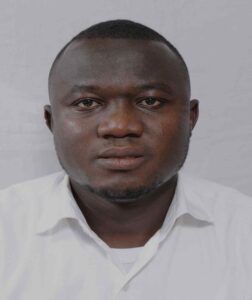
1. How was your business idea born?
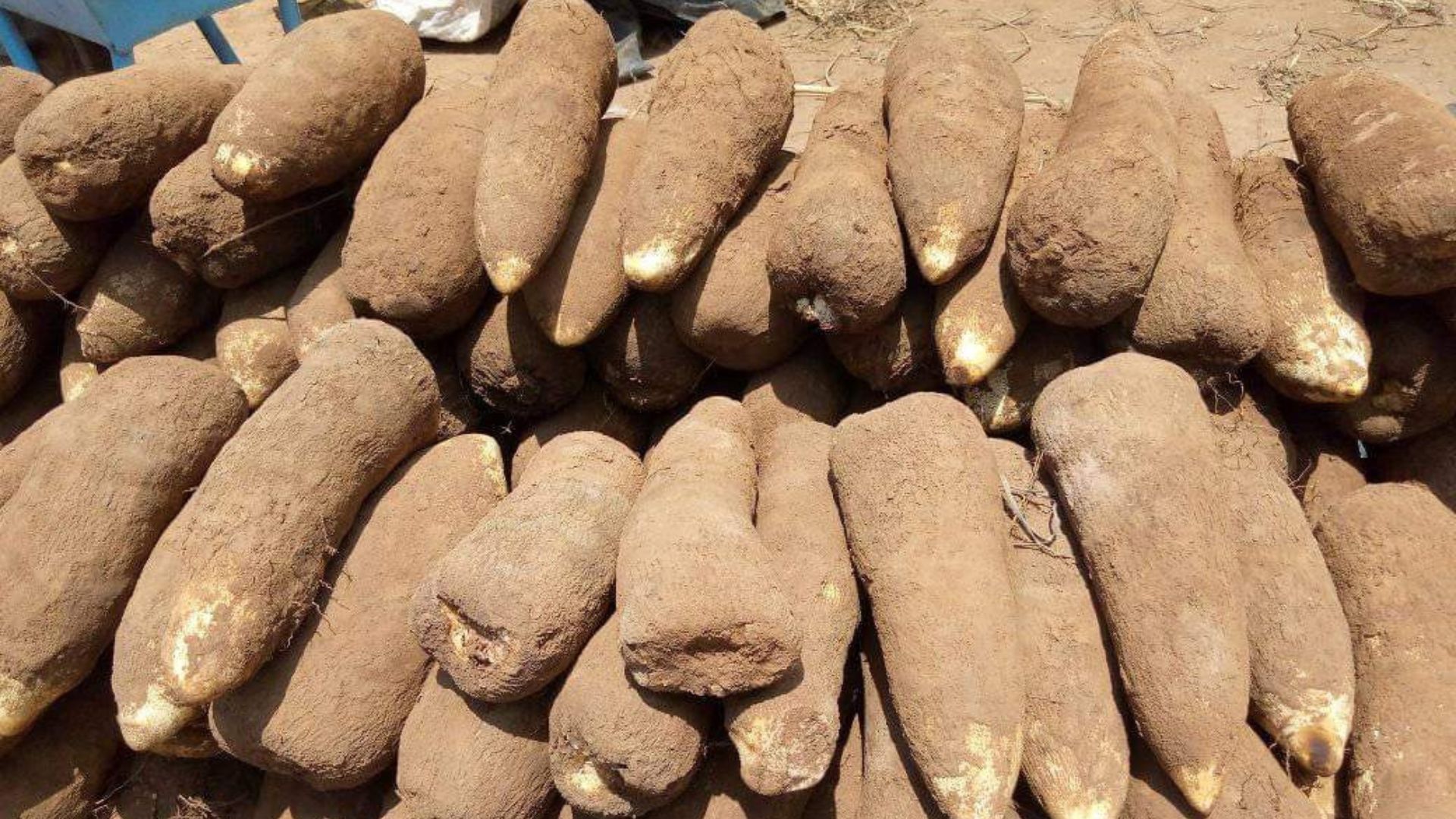
I was used to work in a hospital, and I kept seeing people coming in not only for sickness related issues but also due to malnutrition. That, together with the fact that I grew up in a farming community, sparked the idea of farming to help combat the issues of food insecurity and malnutrition. One of my biggest goals is to help people who fall sick to malnourished food, producing high-quality yams, rice, cassava, and maize for their daily diet.
2. Could you share a general framework of the services or activities that your business has provided over the last years?
Over the past years, Phidago Ltd has made significant strides in generating social, economic, and nutritional impact in the communities we serve. Our commitment has translated into measurable outcomes, such as job creation, community empowerment, nourishment, training and support for youth and women.
3. What are the main achievements of the past 3 years and the goals for the next 3?
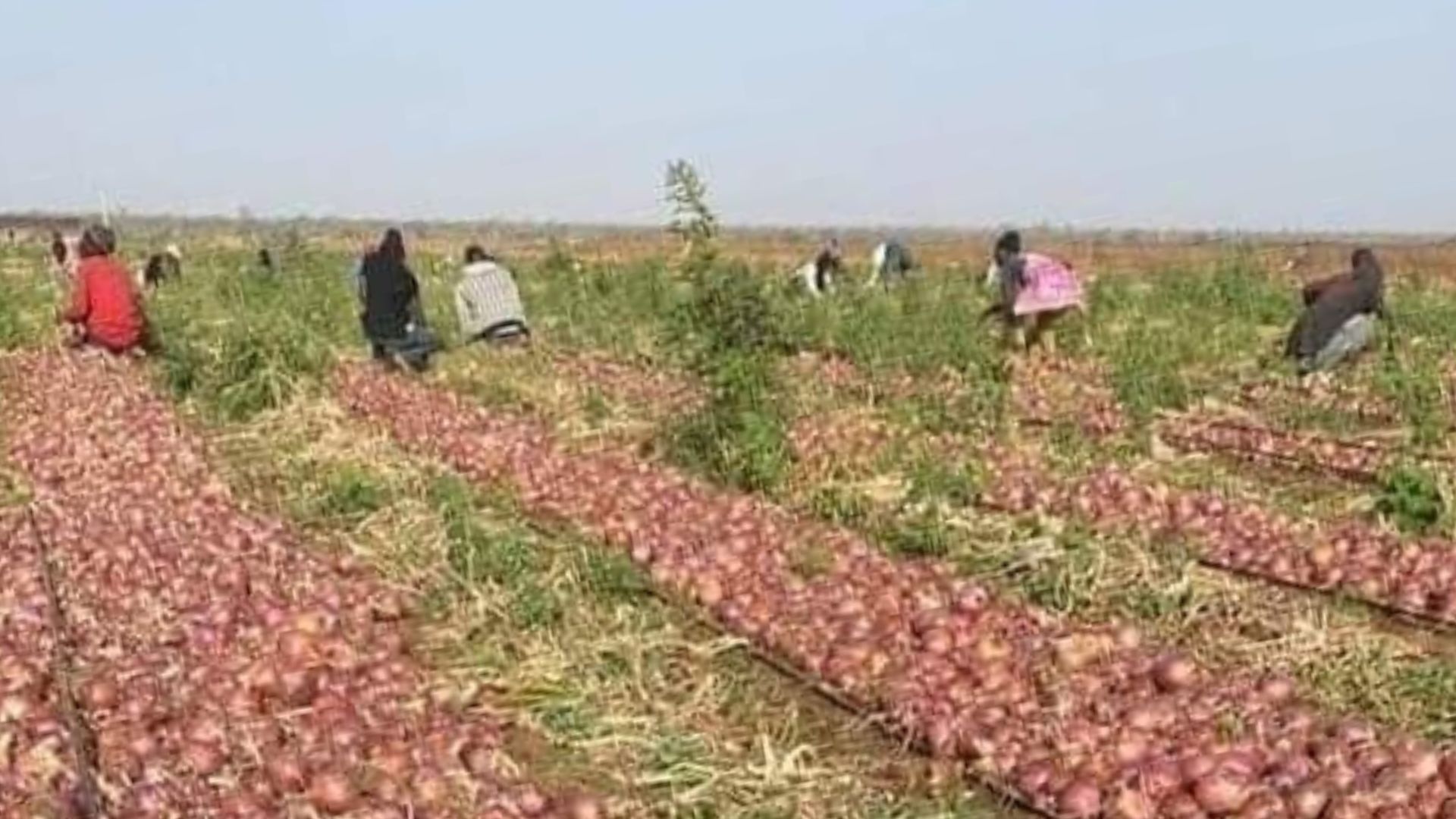
We successfully secured 3,000 acres of farmland in Damanko (Oti Region), laying the foundation for large-scale agricultural operations, we provided jobs for 30 people and empowered over 3,000 individuals in the local community, strengthening community resilience and enhancing livelihoods. Moreover, Phidago has nourished over 10,000 people through our nutrient-rich agro-products, contributing to improved health and food security across the region.
In the next 3 years our main goals are to begin exporting yams, establishing a strong presence of Phidago in international markets, and double the number of people employed, in order to be able to scale up our production and nourish an additional 20,000 people.
4. Which have been the main challenges you had to overcome in your entrepreneurial experience?
One of the main challenges we had to deal with was the lack of financial support and the high taxes. Moreover, we had to face the rain fall pattern, which was affected by the climate change and which led to consistent post-harvest losses.
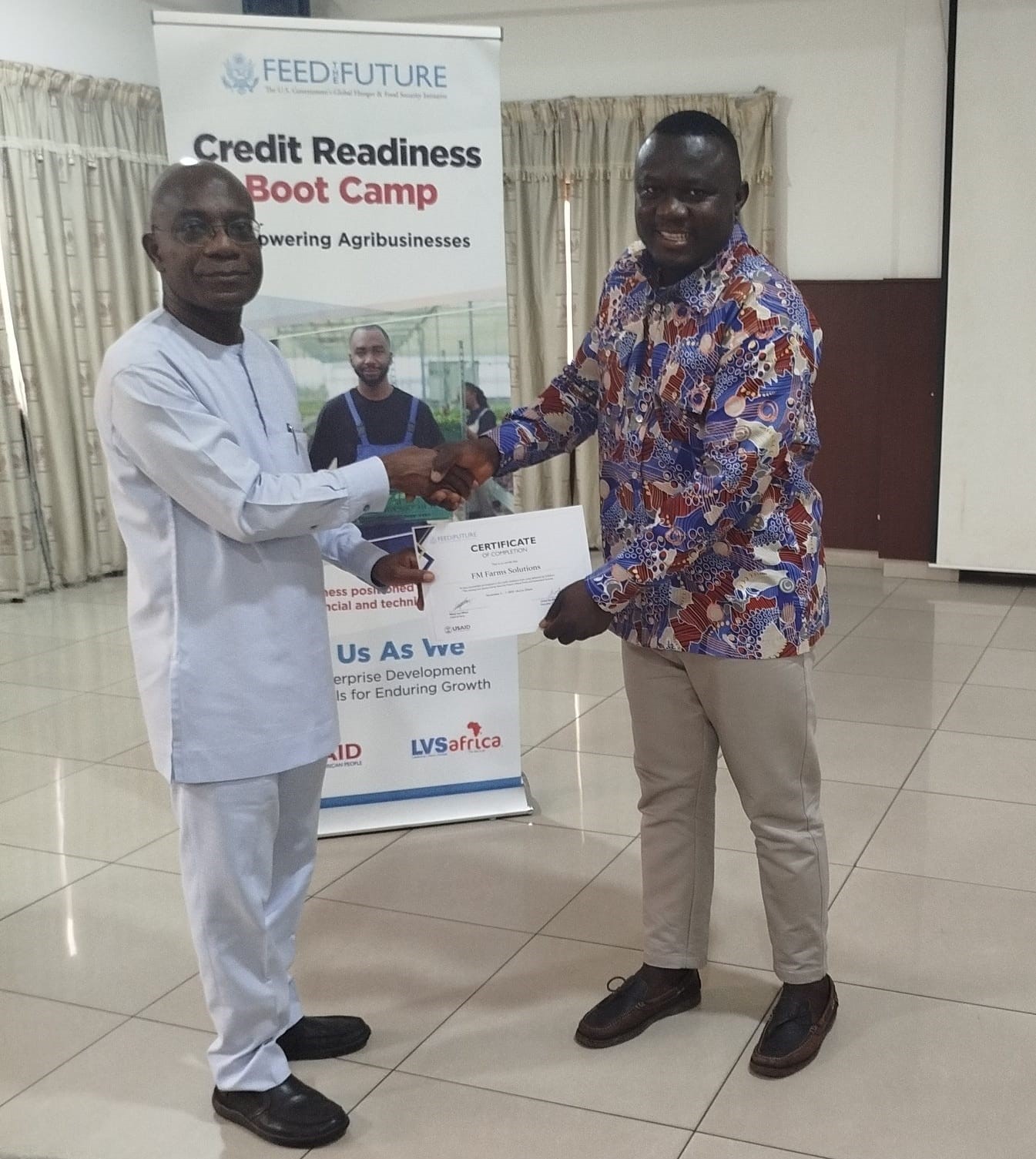
5. Could you tell us a particular satisfactory moment you had in your entrepreneurial activity?
Being recognised as the best farmer in my area because of how I was able to make my farming approach different from the ordinary farmers and how I marketed myself thanks to what I’ve learned with the E4Impact program.
6. Can you tell us more about the impact you are creating?
Besides the number already mentioned (30 new jobs created in the value chaing, over 3,000 people empowered and more than 10,000 nourished with nutrient-rich food), we have trained over 50 youth and women in sustainable farming, creating pathways to self-sufficiency.
7. In your opinion, what are the main qualities an entrepreneur should have?
Entrepreneurs should be innovative, creative, adaptable to change, resilient and eager to think outside the box.
8. Is there a person you are inspired by, like an entrepreneur or a particular mentor?
I was inspired by Dr. Felix Kamasah, CEO of Maphlix Trust Ghana Limited, to venture into farming and help the fight against food insecurity.
9. What would you suggest to a new-born entrepreneur?
Be patient and trust the process.