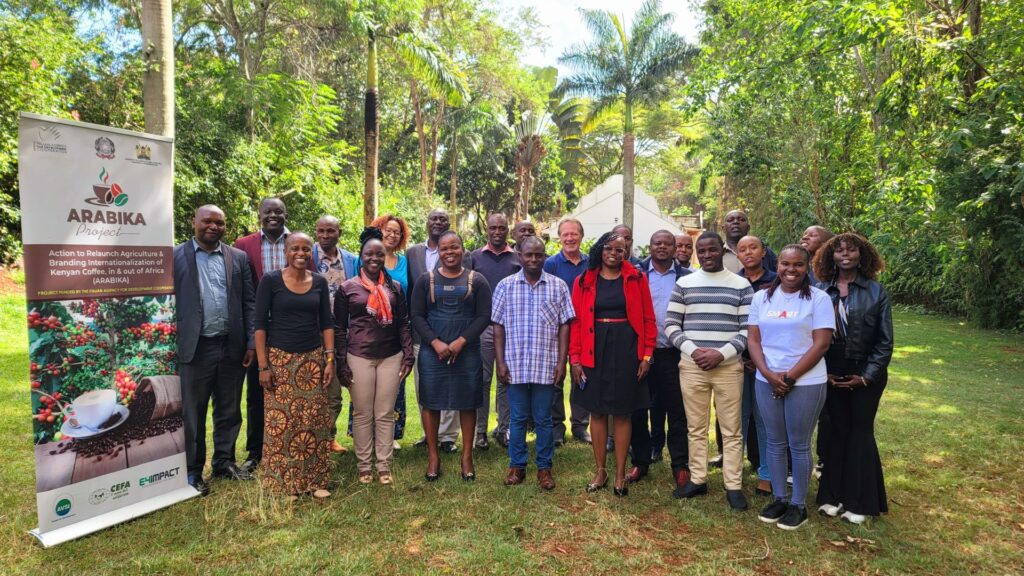
As of 2021, a silent revolution is underway in Kenya thanks to the ARABIKA Project, an initiative set up to transform the coffee sector by involving some 30,000 small producers in 7 counties, organised into 21 agricultural cooperatives. Funded by The Italian Agency for Development Cooperation – Nairobi Office, the project is implemented in partnership with CEFA-Il Seme della Solidarietà , AVSI Kenya Foundation and E4Impact Foundation.
Kenya is known for producing high quality Arabica coffee, characterised by a complex aroma profile and fruity acidity. However, despite its centuries-old tradition and artisanal cultivation techniques, many small producers struggle to obtain a fair price. The ARABIKA Project was created precisely to improve productivity and quality while ensuring fair access to markets.
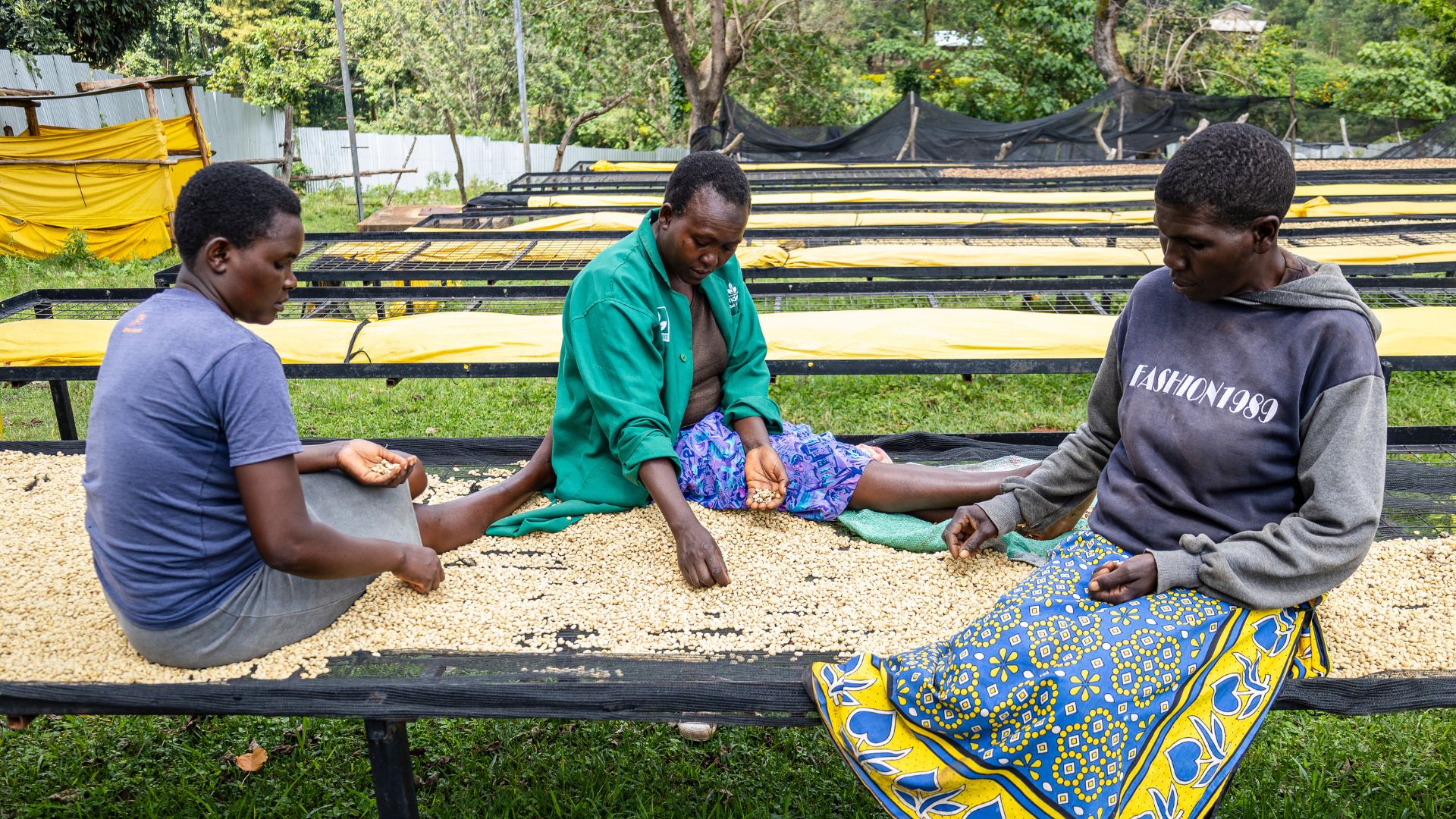
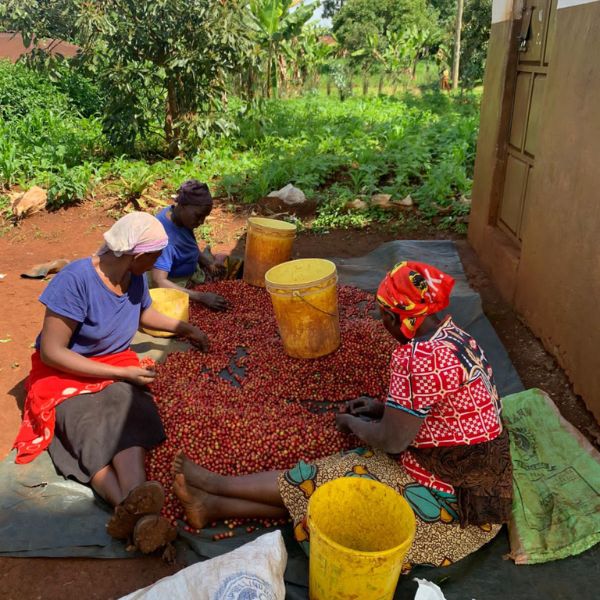
The key objectives of the project include: improving coffee production and processing by introducing sustainable farming practices to cope with climate change; implementing a full traceability system, ensuring transparency of the supply chain for consumers; strengthening the economic resilience of producers by promoting access to direct markets and improving the added value of their product; and fostering the inclusion of women and young people in the coffee value chain by supporting fair and sustainable employment.
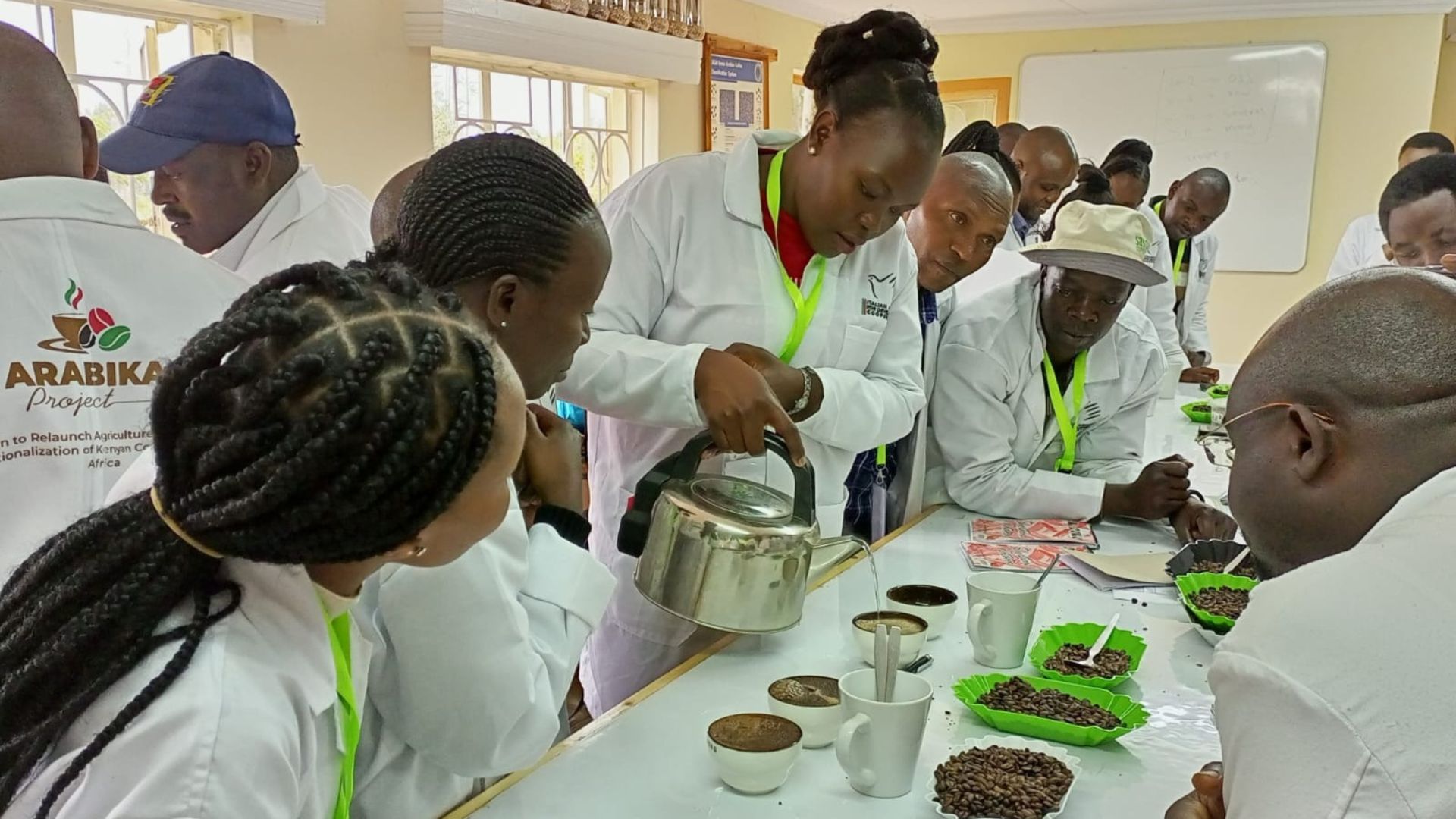
“Project ARABIKA has laid the foundation for a more sustainable and profitable coffee industry in Kenya. The facilities and skills acquired, also thanks to the training provided by E4Impact, will continue to support farmers, ensuring that Kenyan coffee maintains its reputation for excellence in local and international markets”, said Mario Molteni, CEO of E4Impact Foundation.
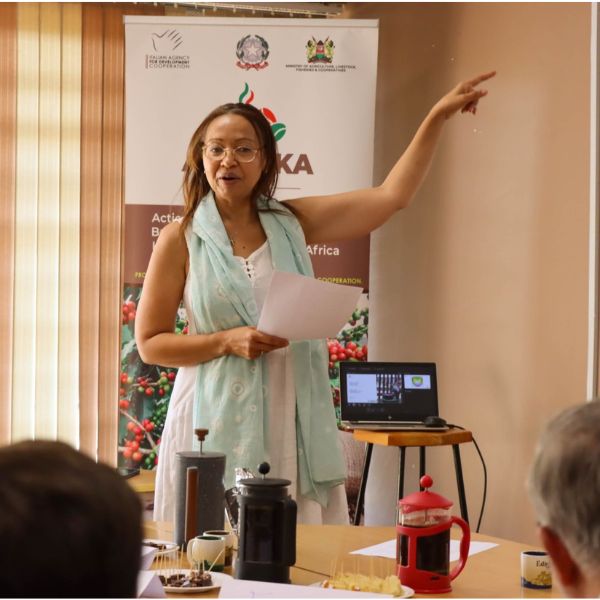
To enhance hands-on learning, the project established 210 demonstration fields providing farmers with practical training in pruning, soil management, disease control and harvesting techniques. More than 29,000 farmers were trained in climate-smart production techniques, ensuring sustainability in the sector, while 28.000 farmers participated in training courses on governance, transparency and traceability. In addition, the Young Service Providers initiative trained 149 young people in key agricultural services, ensuring the continuity of coffee farming among the next generation. At the cooperative level, 63 community trainers and 84 managers received in-depth training, equipping them with skills to guide their cooperatives to success. Co-operatives such as Muisuni FCS and Gathaithi FCS recorded significant increases in production and prices per kilo.
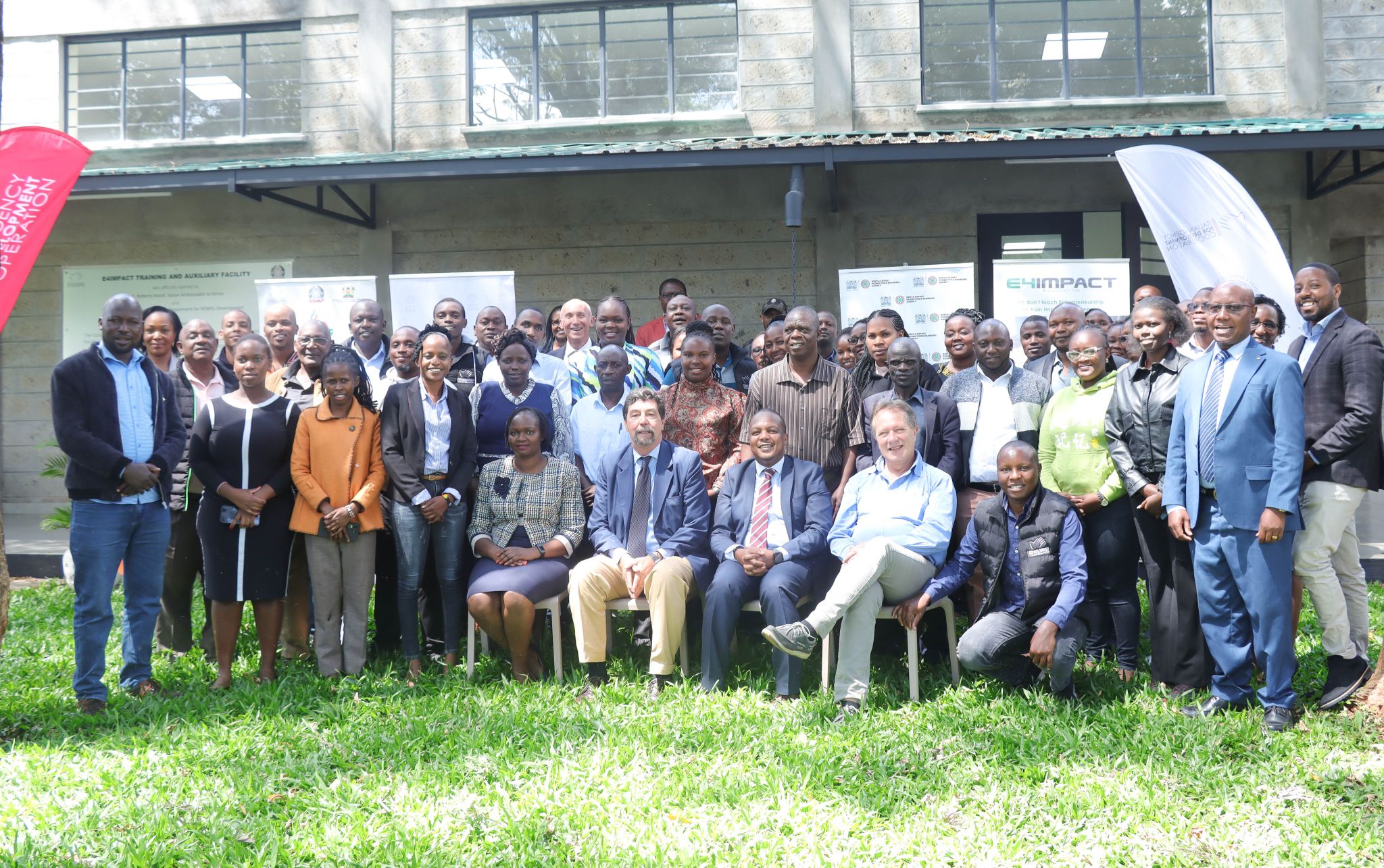
”The ARABIKA project demonstrates that, even in the face of the most difficult climatic and economic crises, training and cooperation can transform the future of entire communities. Over the past five years, more than 30,000 people have acquired essential skills for sustainable, resilient and quality coffee production. Seeing cooperatives grow, double production and reach international markets is confirmation that investing in people is the key to lasting change”, added Alice Fanti, CEFA Director.
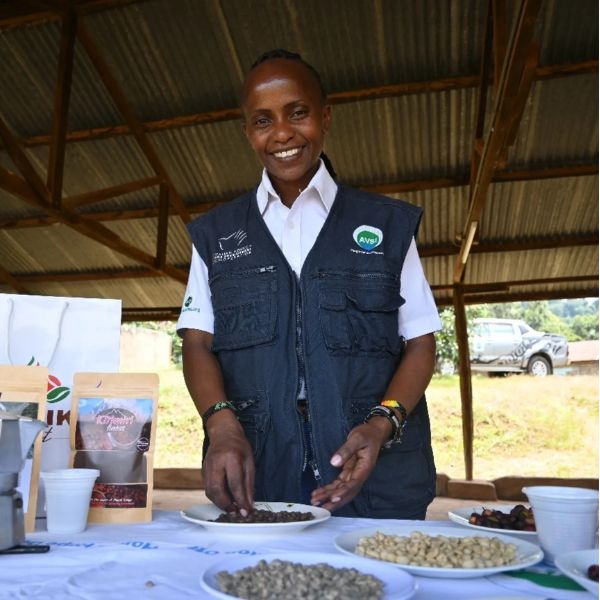
The project focused on training, governance and branding, creating a sustainable and profitable coffee sector. With improved quality and branding, Kenyan coffee was then presented at international trade fairs such as SIGEP in Rimini, World of Coffee in Copenhagen, and AFCA in Dar es Salaam. These events connected farmers to global buyers, increasing visibility and generating networking.

“This type of cooperation contributes to the development of resilient and sustainable communities. At a time of crisis and great uncertainty, we must definitively move away from the narration of cooperation as mere solidarity-volunteer aid to the poor, and enter into that of cooperation as a foreign policy tool, essential for building a world of peace, stable economies, environmental protection and growth for all. The ARABIKA project is an example of this” declares Giampaolo Silvestri, AVSI Secretary General.
Thanks to the joint efforts of international partners and local communities, the ARABIKA project represented a significant step towards sustainable development of the coffee sector in Kenya, and E4Impact Foundation is proud to have been an active part of this transformational journey.