
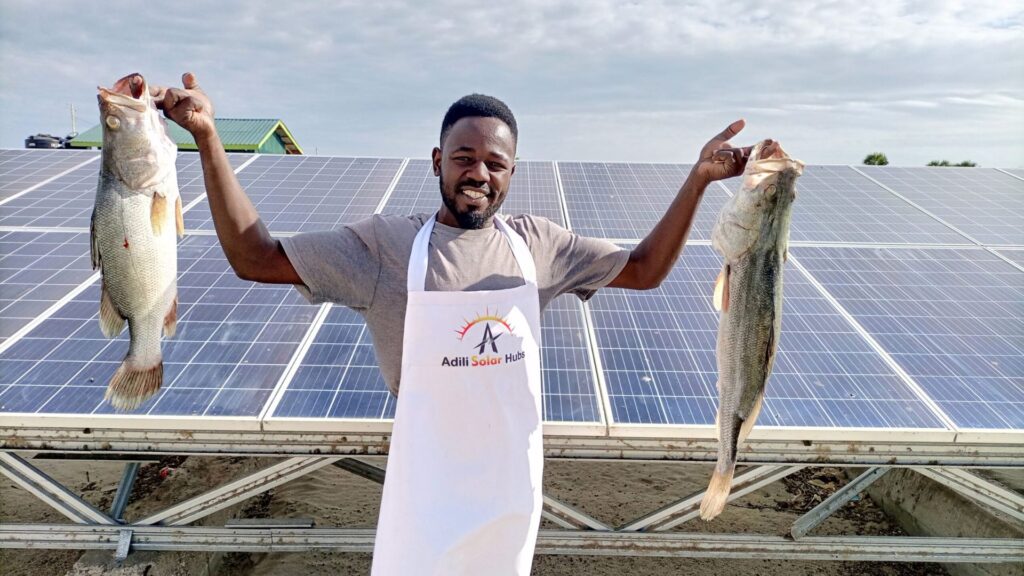
During the last years, in the remote fishing communities of Turkana, Kenya, a silent crisis was unfolding. Without proper cold storage and faced with extreme heat, fishermen were forced to sell their catch quickly—often at unfairly low prices. Kimani Gichuche, founder of Adili Solar Hubs Limited, saw the impact of this problem firsthand.
Kimani’s entrepreneurial journey began with this simple observation: fishing communities in isolated areas were losing income due to fish spoilage. Today, he is leading a transformative mission to improve lives through Adili Solar Hubs, a youth led social enterprise that focuses on building and running clean energy solutions for advancement of rural economies, focusing on cold storage to preserve fish and improve the livelihoods of fishing communities.
The entrepreneur joined our Acceleration Program in Nairobi in 2023 with a clear mission: to expand his company’s reach, drive product and service innovation, and generate lasting social and economic impact through sustainable energy solutions. Throughout the accelerator, Kimani refined his business strategies and gained greater clarity and structure around his entrepreneurial vision.
“The E4Impact program equipped us with a wealth of skills and knowledge that played a key role in our growth. We benefited from the guidance of various mentors who shared their expertise, allowing us to develop holistically across critical areas. The Adili team was actively involved throughout the journey, learning and exchanging insights that contributed to the business’s overall progress.”
Let’s learn more about Kimani having a look at the interview we conducted with him.
1. How was your business idea born?
The idea for Adili Solar Hubs stemmed from witnessing firsthand the challenges faced by fishing communities in remote areas like Turkana, where inadequate cold storage and high temperatures lead to fish spoilage and economic losses. This experience highlighted the urgent need for sustainable solutions combining clean energy and modern technology. Inspired by a commitment to address these challenges, our mission evolved to provide practical, scalable solutions that improve economic opportunities for fishermen while promoting environmental sustainability and community development.
2. Could you share a general framework of the services, activities, solutions and/or benefits that your business has provided over the last years?
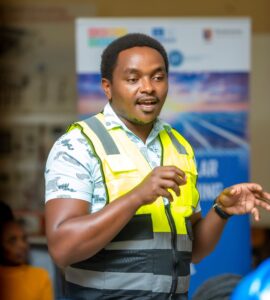
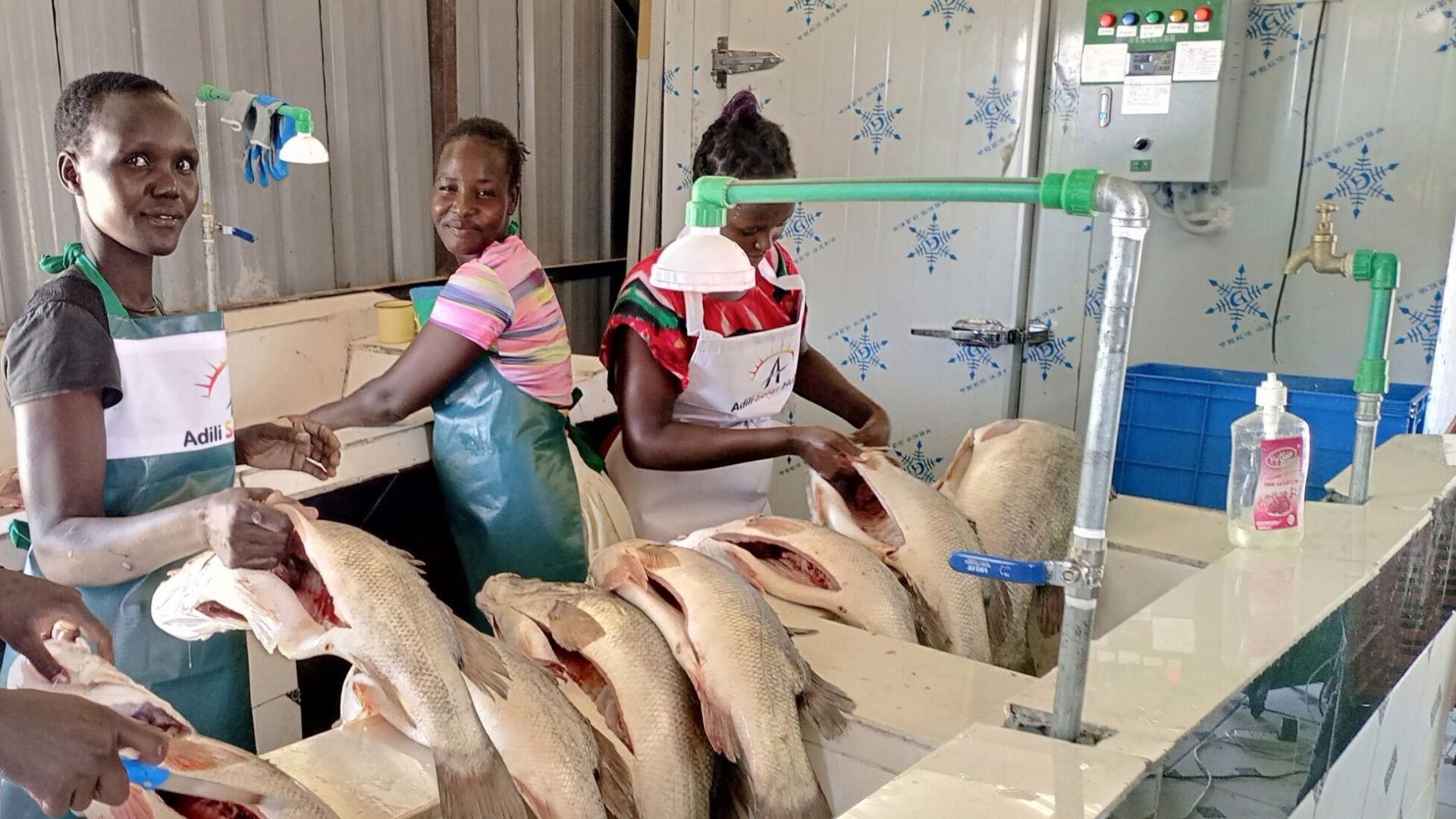
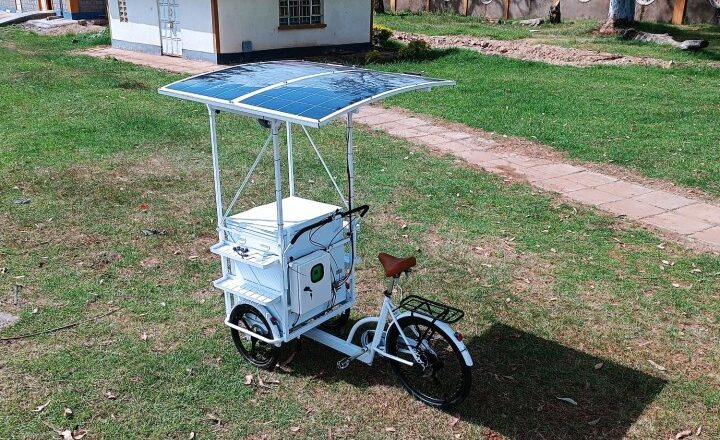
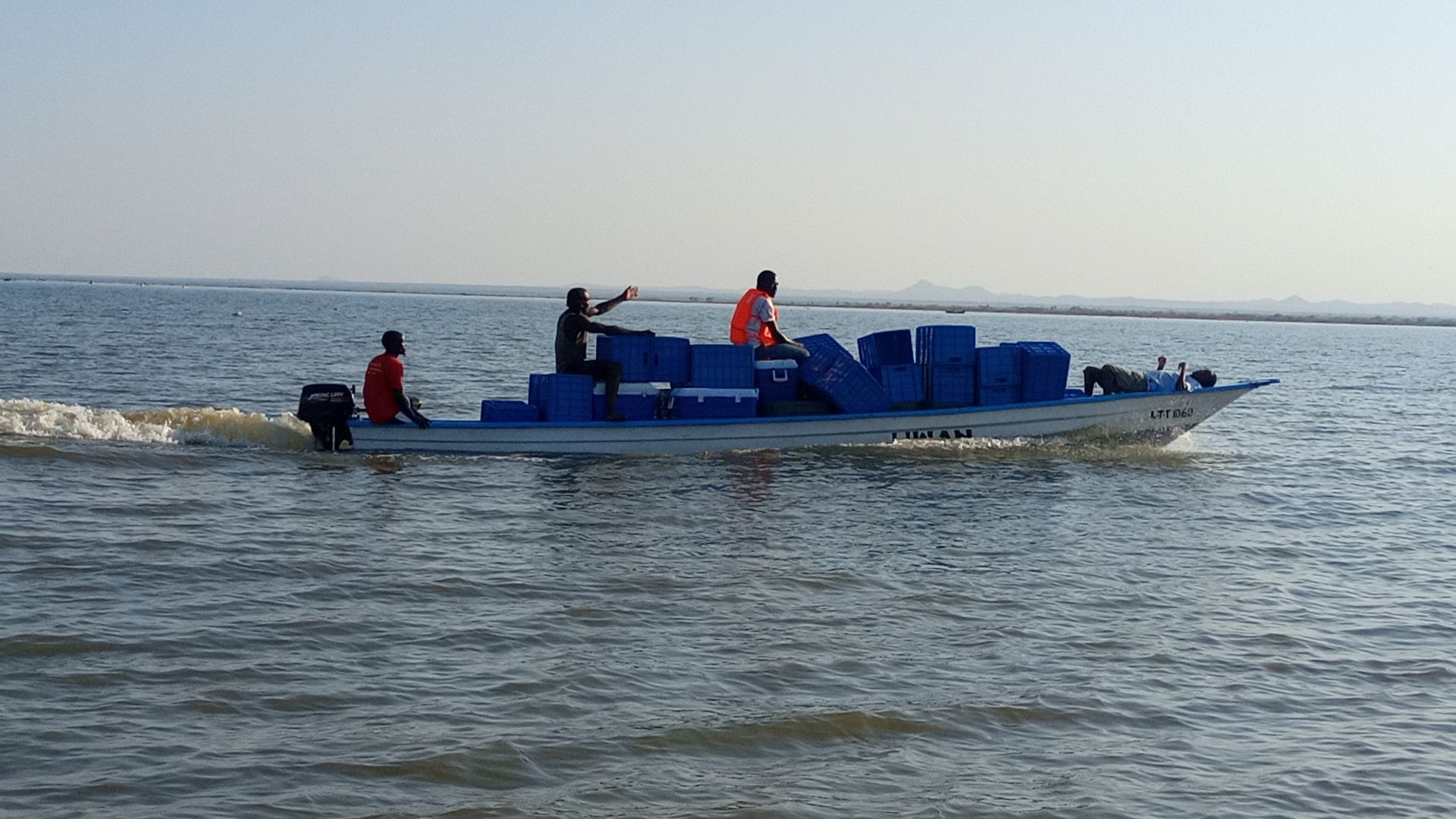
Adili Solar Hubs provides sustainable energy solutions to fishing communities by producing 500 kilograms of ice daily to preserve fish and operating a 1.1-ton cold storage facility. We run a water treatment plant processing 1,000 liters per hour and use a refrigerated van to maintain fish freshness during transport. We also buy fish directly from fishermen at fair prices, supporting local livelihoods and supply chains. Our work has improved access to clean water for over 3,000 people, boosted income for more than 300 fishermen and traders, created over 15 jobs, and even increased student enrollment at Longech Primary School thanks to better water availability.
3. Which are the main achievements in the last 3 years and the main desired goals in the next 3 years?
Over the past three years, Adili Solar Hubs has made significant progress by establishing a pilot cold chain hub in Turkana, creating employment opportunities, and strengthening partnerships with local fishing communities and beach management units. Our initiatives have also positively impacted education by supporting increased school enrollment.
Looking forward, we plan to complete the development of the Takawiri hub, expand our model to other regions, and continue advancing sustainable and energy-efficient solutions. Our goal is to broaden access to clean water and fresh fish while deepening the social and environmental benefits of our work across more communities.
4. Which main challenges were you experiencing in your business, if any?
Launching infrastructure like cold chain and water treatment facilities in remote areas came with logistical challenges—such as limited access to solar energy and clean water sources. Securing funding and controlling costs during scaling were also major concerns. In addition, building trust and securing collaboration from local communities required significant outreach and engagement.
5. Could you tell us about a particular satisfactory moment in your entrepreneurial activity?
One of the most rewarding moments was when the Longech Hub became fully operational. Seeing the joy and relief on fishermen’s faces as they accessed cold storage and fair market prices made all the hard work worthwhile. Providing clean water and witnessing real improvements in people’s lives confirmed the value of what we do.
6. What impact have you seen in your environment, and what impact do you aim to create for your beneficiaries in the future?
Our efforts have shown that clean energy can be both practical and profitable. We’ve transformed the local fishing industry and inspired interest in renewable energy. Our hubs have improved livelihoods, reduced spoilage, and created more stability.
In the future, we aim to replicate our model across Africa, creating a network of sustainable cold chain hubs that empower communities and protect the environment.
7. In your opinion, what are the main qualities an entrepreneur should have?
Resilience and patience. These qualities are essential to navigating challenges and stay committed to long-term goals.
8. Is there a person you are inspired by, i.e. an entrepreneur or a particular mentor?
Yes, Richard Branson. I admire his resilience and ability to innovate across diverse industries while maintaining a strong commitment to social impact and entrepreneurship. His approach inspires me to stay persistent and creative in overcoming challenges.
9. Finally, what would you suggest to a new-born entrepreneur?
Don’t stop trying. Perseverance is your greatest asset on this journey.