
Plastic pollution is one of Ghana’s most pressing environmental challenges. The country generates an estimated 1 million tonnes of plastic waste every year, yet only about almost the 10% of it is recycled. The rest ends up in landfills, drains, and waterways, threatening both ecosystems and public health. Addressing this crisis requires innovative entrepreneurs who can turn waste into opportunity.
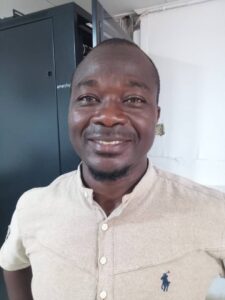
One of them is Fatawu Gombilla Ibrahim, #E4ImpactEntrepreneur who joined the MBA in Impact Entrepreneurship in Ghana in 2014.
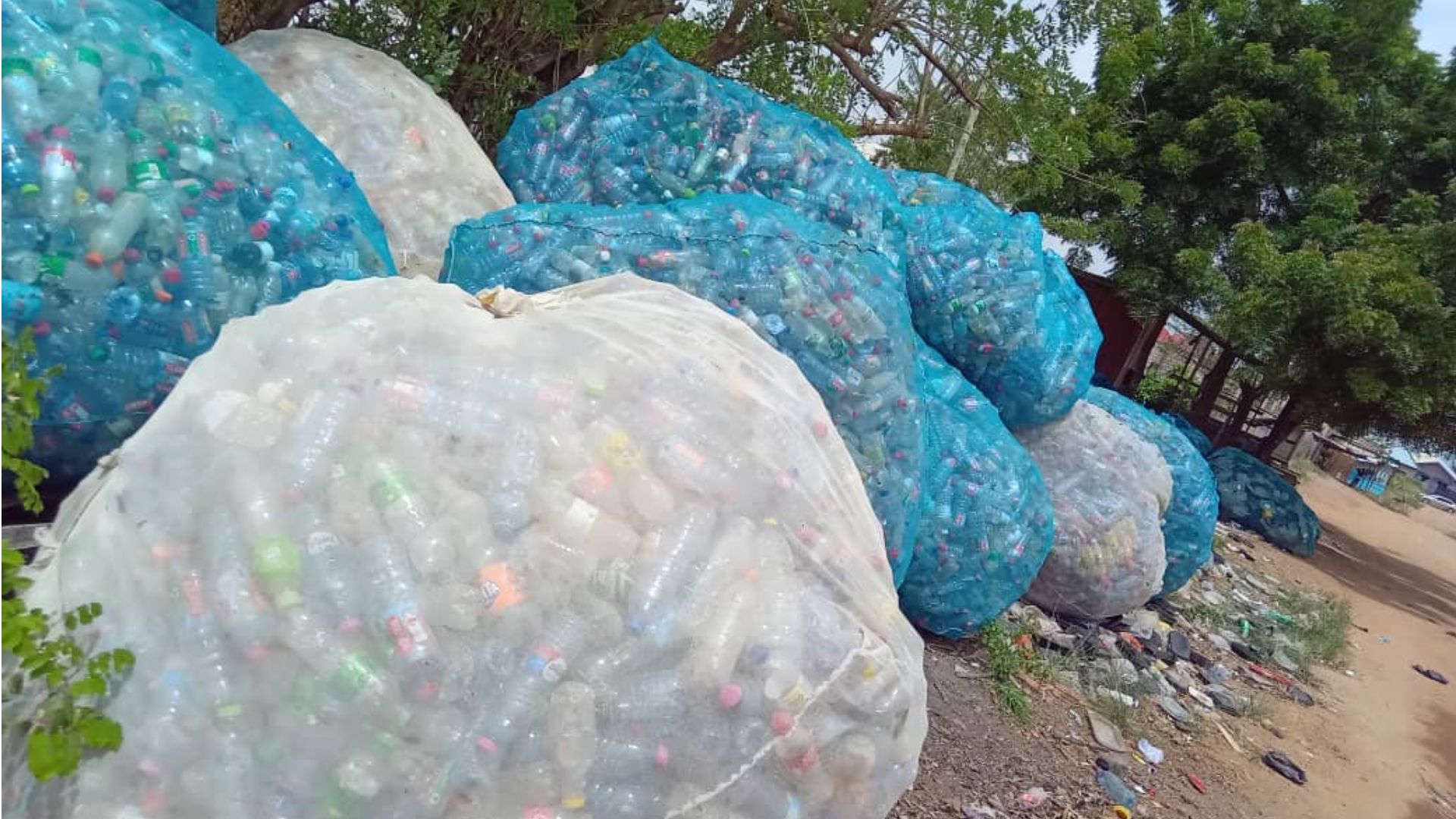
With his start-up, Fhams LTD, which collects, processes, and transforms plastic waste into reusable plastic flakes, Fatawu has as his mission not only addressing environmental issues but also creating employment and raising awareness around waste management.
“The program changed my view of scalability. I became inspired to expand my recycling activities and add value along the chain by including used clothing and paper. The MBA has also exposed me to important concepts such as social enterprise, leadership, design thinking, and tools like the business model canvas and market research.”
Let’s learn more about Fatawu, having a look at the interview we conducted with him.
1. How was your business idea born?
I have always loved cleaning. It has been part of me since my childhood. Growing upon a large compound house with extended family in Tamale, I was always the one leading the cleaning of the house and gutters, and carrying rubbish to what we called “bola-point”. In 2015, I decided to help keep my environment freed from plastic waste. I went to local recyclers in Accra to receive some training on the various types of plastics, their qualities and uses, and the steps involved in plastic recycling. Over time, I started collecting all kinds of plastics and reducing them into flakes, creating my own enterprise, Fhams.
2. Could you share a general framework of the services, activities, solutions and/or benefits that your business has provided over the last years?
Fham’s goal is to reduce the amount of the plastic waste. To achieve this, we teach communities the right ways of disposing plastic.
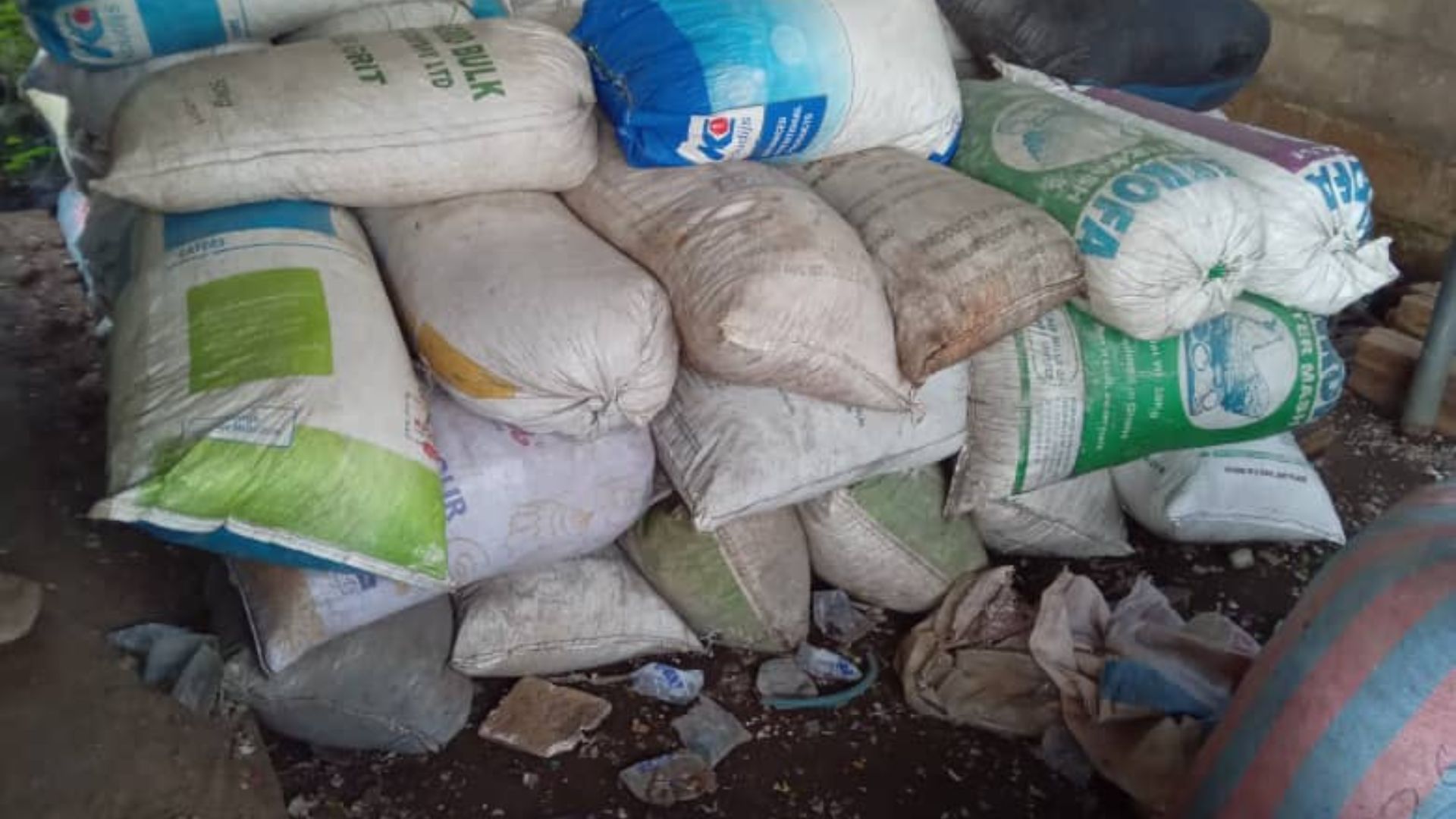
At Fhams, we manage plastic waste through an environment-friendly process. We collect plastic materials from various locations within the community and transport them to our processing center, where we sort and crush them. The crushed materials are then sieved to remove impurities and separate usable fragments. Finally, we bag the processed plastic, preparing it for the further recycling or resale.
3. What made you choose the E4I MBA Program?
I felt the need to deepen my knowledge of business and entrepreneurship in order to create a meaningful impact in my community. I wanted to improve my business strategies and scale up my operations. I chose the E4Impact MBA program that would let me scale up my business.
4. Which are the main achievements in the last 3 years and the main desired goals in the next 3 years?
Today, I work with 7 people directly and 9 indirectly. We have achieved consistency in processing operations and now we handle between 20 to 30 tons of plastic per month. Another milestone reached in the past years is the expansion of our collection points. We are currently operating in Accra, and in the coming years we plan to extend our activities to the Eastern Region of Ghana, increasing our recycling operation up to 75 tons per month. In the next 2 to 3 years, we aim to begin exporting.
5. Which main challenges were you experiencing in your business, if any?
One of the main challenges we faced was the general perception some people had about the nature of the work. We approached it by raising awareness about the positive environmental and social impact we generate every day. Another significant challenge we are still facing is the logistics involved in the collection process.
6. Could you tell us a particular satisfactory moment you had in your entrepreneurial activity?
The most satisfactory moment was when we began to see the concrete results of our work, both in terms of sustainability and job creation. In particular, we were able to assess our impact on environmental sustainability and the involvement of direct and indirect beneficiaries throughout the whole value chain.
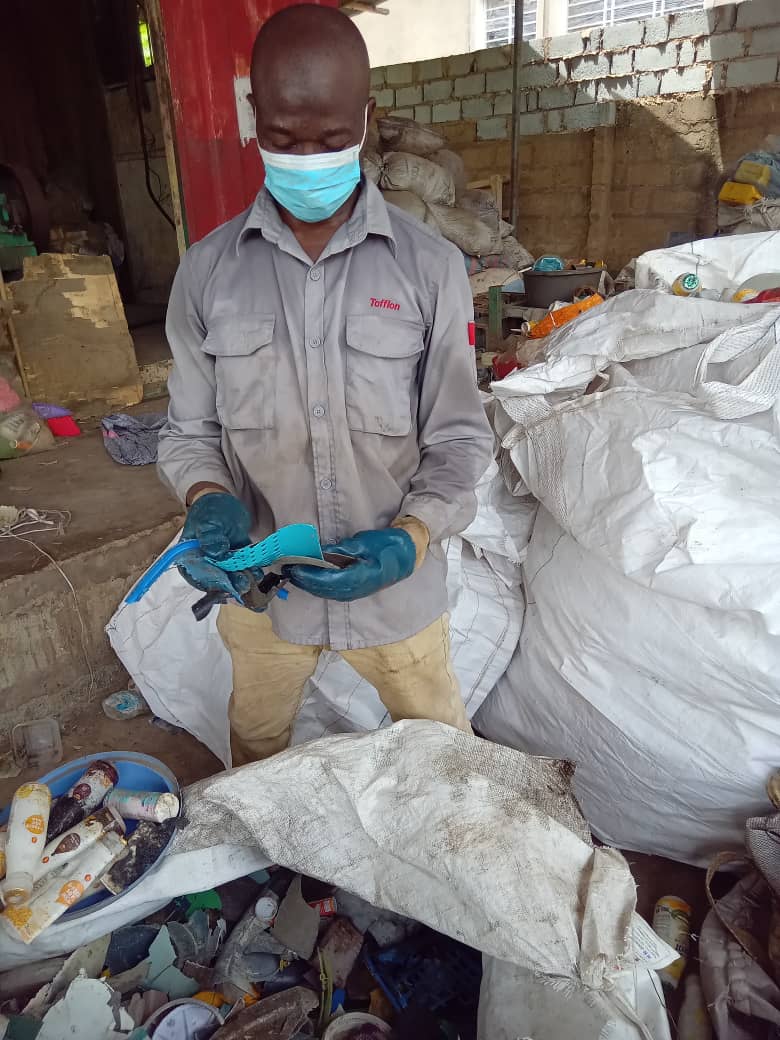
7. What impact have you seen in your environment, and what impact do you aim to create for your beneficiaries in the future?
Fhams has the potential to create thousands of jobs and improve the environment. The possibilities are endless and we will never stop exploring.
8. In your opinion, what are the main qualities an entrepreneur should have?
I believe entrepreneurs need to be resilient, flexible, adaptable – and above all, have the right attitude to work hard.
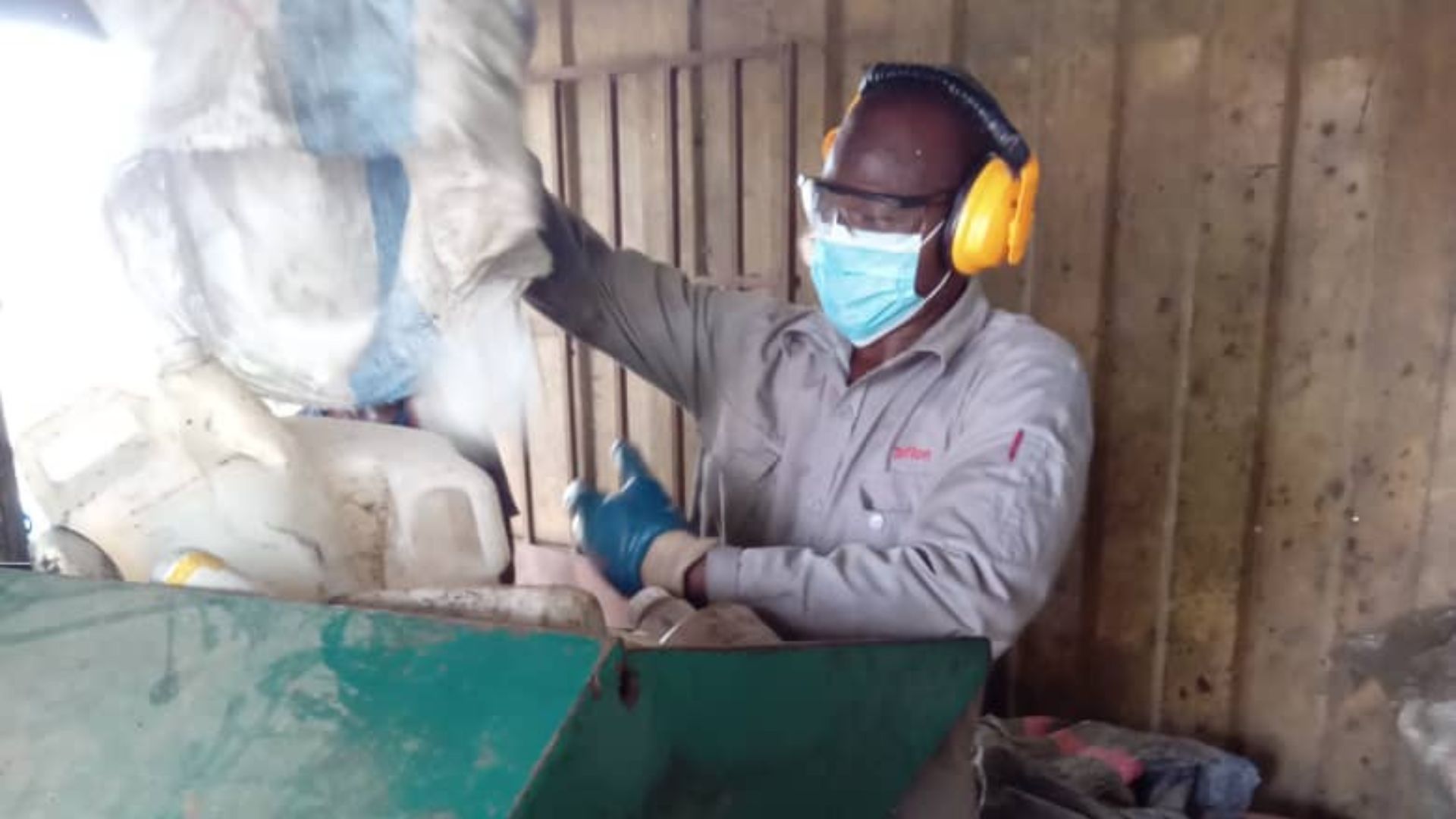
9. Is there a person you are inspired by, i.e. an entrepreneur or a particular mentor?
I am inspired by local fishermen, who often head out to sea in their small wooden canoes, facing uncertainty and the risk of capsizing. And by a store owner in my neighbourhood, whom I watched grow from a small kiosk to a large shop selling building materials.
10. Finally, what would you suggest to a new-born entrepreneur?
Be resilient, flexible and take calculated risks.