

In July 2025, Erica Negro and Maddalena Scribanis, colleagues at E4Impact and PhD candidates at the Università Cattolica del Sacro Cuore of Milan, travelled to Kenya for a month of field research. Their experience took place within the framework of the ITACA project – Internationalizing Italian Academia with Africa, a programme that promotes academic cooperation between Italian and African universities through mobility, joint research, and knowledge exchange.
For Erica and Maddalena, ITACA represented much more than a study period abroad: it was a concrete space where academic research, international cooperation, and impact entrepreneurship came together, in continuity with the work both of them carry out daily at E4Impact.
Why ITACA, and Why Kenya
ITACA was created with the aim of strengthening dialogue between the Italian and African academic worlds, fostering research approaches capable of valuing local contexts and generating shared knowledge. Within this framework, Kenya represents a particularly fertile laboratory: a country marked by deep inequalities, but also by a dynamic and innovative entrepreneurial ecosystem, especially in the field of social impact.

During their stay, Erica and Maddalena had the opportunity to work closely with entrepreneurs, community groups, and social enterprises that had taken part in E4Impact’s training and acceleration programmes over the years. They collected qualitative data through interviews, field observations, and informal moments of discussion.
Two Research Paths, One Shared Perspective on Impact
Although starting from different research questions, Erica’s and Maddalena’s work followed a common trajectory: understanding how entrepreneurship can become a lever for transformation in contexts of vulnerability.
Maddalena Scribanis focused her research on community-based groups of entrepreneurs, which are particularly widespread in informal urban settings. Her study explores how these networks—often established to address immediate needs such as savings or access to credit—can evolve into spaces of mutual support, strengthening individuals’ capacity to look beyond daily survival and envision paths of growth.
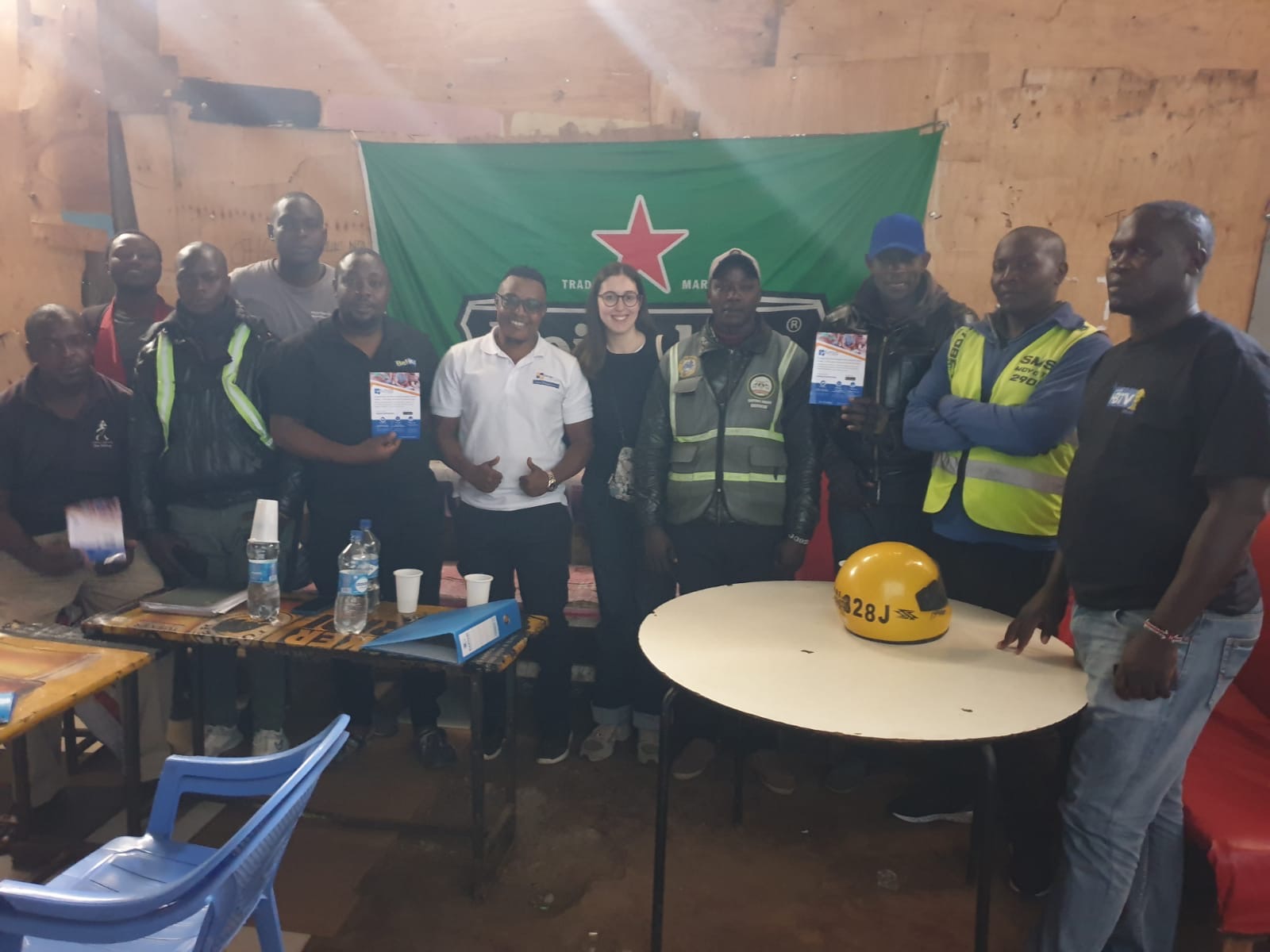
Within this context, she met Eric Micheni, founder of Zangu Pay and an entrepreneur supported by E4Impact’s programmes in Kenya. Zangu Pay is a fintech company that digitalises savings, lending, and project management processes for the many informal credit groups operating in Nairobi’s slums. The exchange with Micheni and the visit to a group of entrepreneurs in the boda boda sector in Kawangware made it possible to observe first-hand the dynamics, potential, and vulnerabilities of these community-based ecosystems.

Erica Negro, on the other hand, focused her research on social enterprises and the mechanisms through which they manage to generate transformative impact within local communities. In particular, she analysed the role of active beneficiary engagement, observing how impact stems not only from the quality of the product or service offered, but also from the enterprise’s ability to build relationships, foster listening, and promote shared responsibility.
The interviews conducted highlighted that the most resilient entrepreneurial journeys are those in which training, continuous support, and a strong presence in the territory are intertwined, giving rise to lasting and shared processes of change.
The E4Impact Experience from the Ground
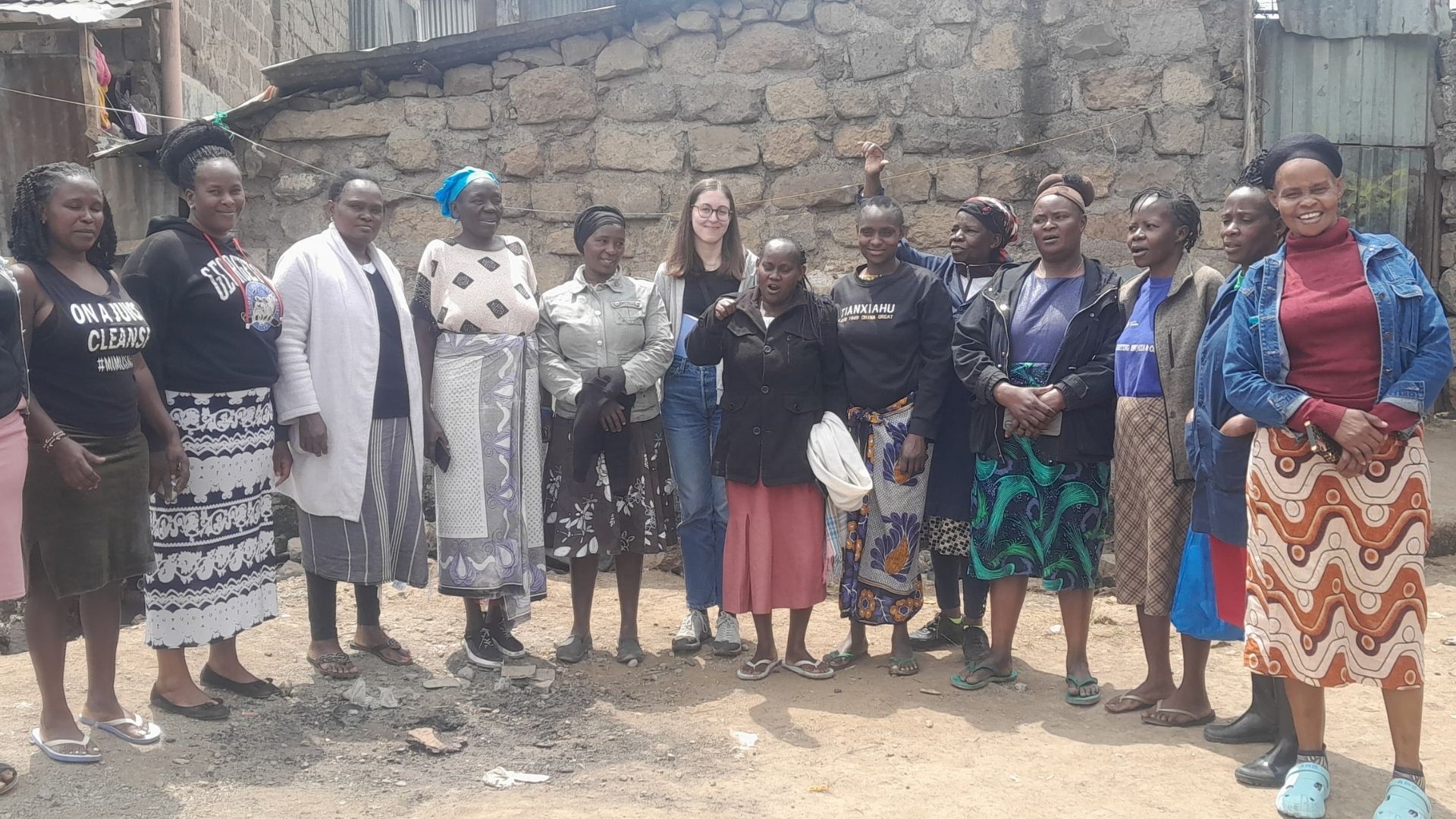
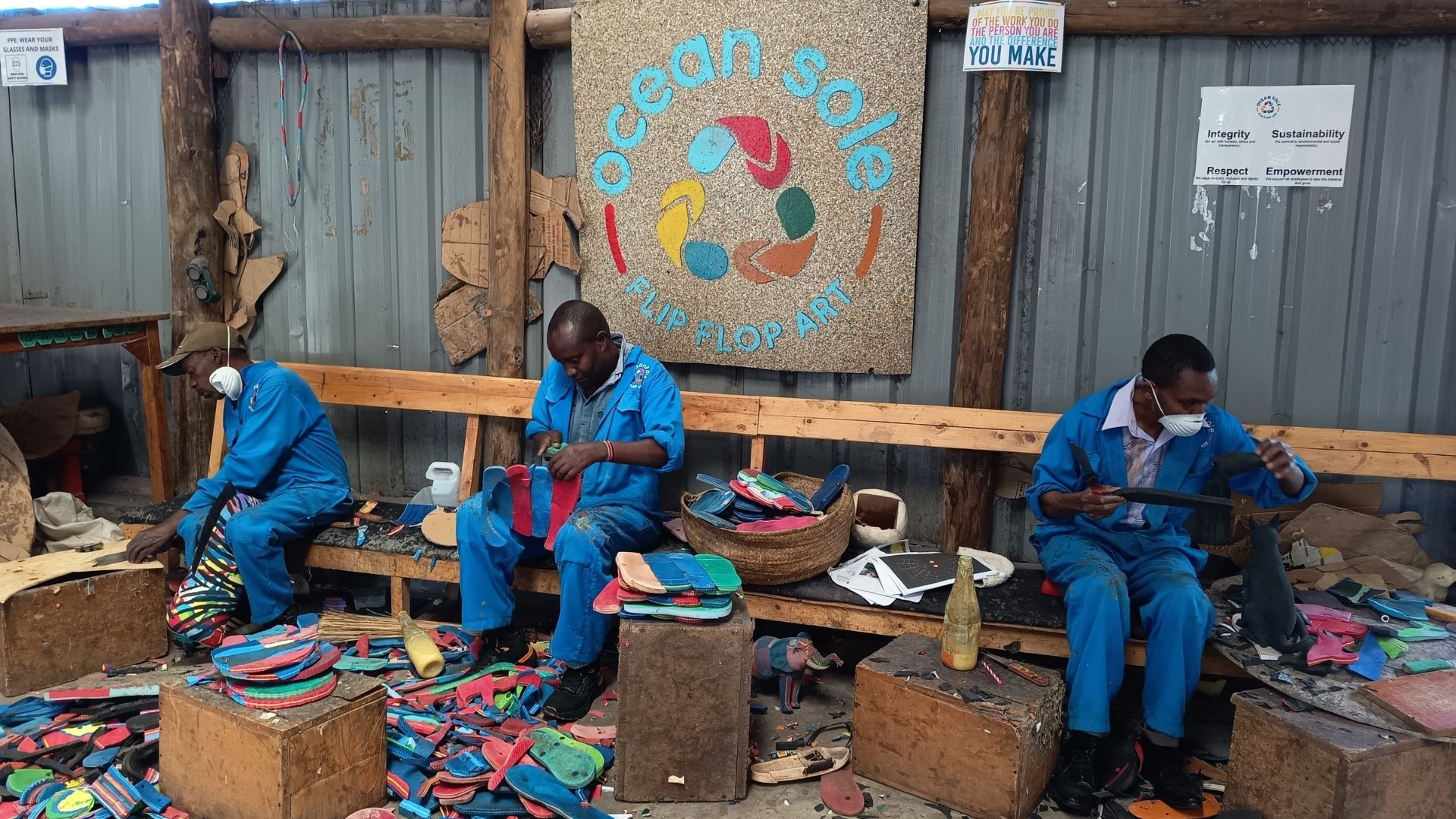
A central part of the experience in Kenya was the visit to start-ups and social enterprises trained by E4Impact. The entrepreneurs interviewed described the progress achieved after completing the Foundation’s programmes, emphasising the value of coaching, technical mentoring, and ongoing dialogue.
From their accounts, it emerged how these elements contributed to:
- clarifying sales strategies and market positioning;
- strengthening beneficiary engagement;
- expanding social impact, particularly in rural areas and in Nairobi’s most vulnerable neighbourhoods.
For Erica and Maddalena, these encounters represented a key moment in connecting theory and practice, confirming in the field many of the mechanisms observed through their research.
ITACA as a Space for Connection and a Shared Future
The experience in Kenya shows how the ITACA project can become a true platform for connection between universities, research, and entrepreneurship, enhancing collaborative approaches that are deeply rooted in local contexts.
For E4Impact, Erica’s and Maddalena’s journey confirms the importance of working along long-term trajectories, in which education, applied research, and cooperation reinforce one another. It is within these spaces of encounter—between academia, entrepreneurs, and communities—that collaborations capable of generating real and sustainable impact are born.