

Kenya hosts one of Africa’s most dynamic innovation hubs, yet key challenges persist in ensuring that innovation translates into widespread opportunities. Strengthening the ecosystem support infrastructure has therefore become a priority—particularly through grants and performance improvement plans that enable service providers to better assist entrepreneurs. At the same time, dedicated scholarship programs aim to boost technology adoption among youth and women, equipping them with market-relevant skills and enhancing their employability. Together, these efforts address systemic gaps and foster a more inclusive, resilient environment for business growth and job creation.

These priorities set the stage for targeted initiatives designed to close existing gaps and strengthen Kenya’s innovation ecosystem. In 2023, to address these challenges, the Kenyan Ministry of Investments, Trade and Industry, with the support of the World Bank Group began the SKIES – Strengthening Kenya’s Innovation Ecosystem project, implemented by E4Impact and Spineberg LTD. As a part of the Kenya Industry and Entrepreneurship Project (KIEP), it aimed to equip incubators, accelerators, and technology bootcamp providers with the resources, knowledge, and networks needed to deliver higher-quality services, expand their reach, and operate sustainably.
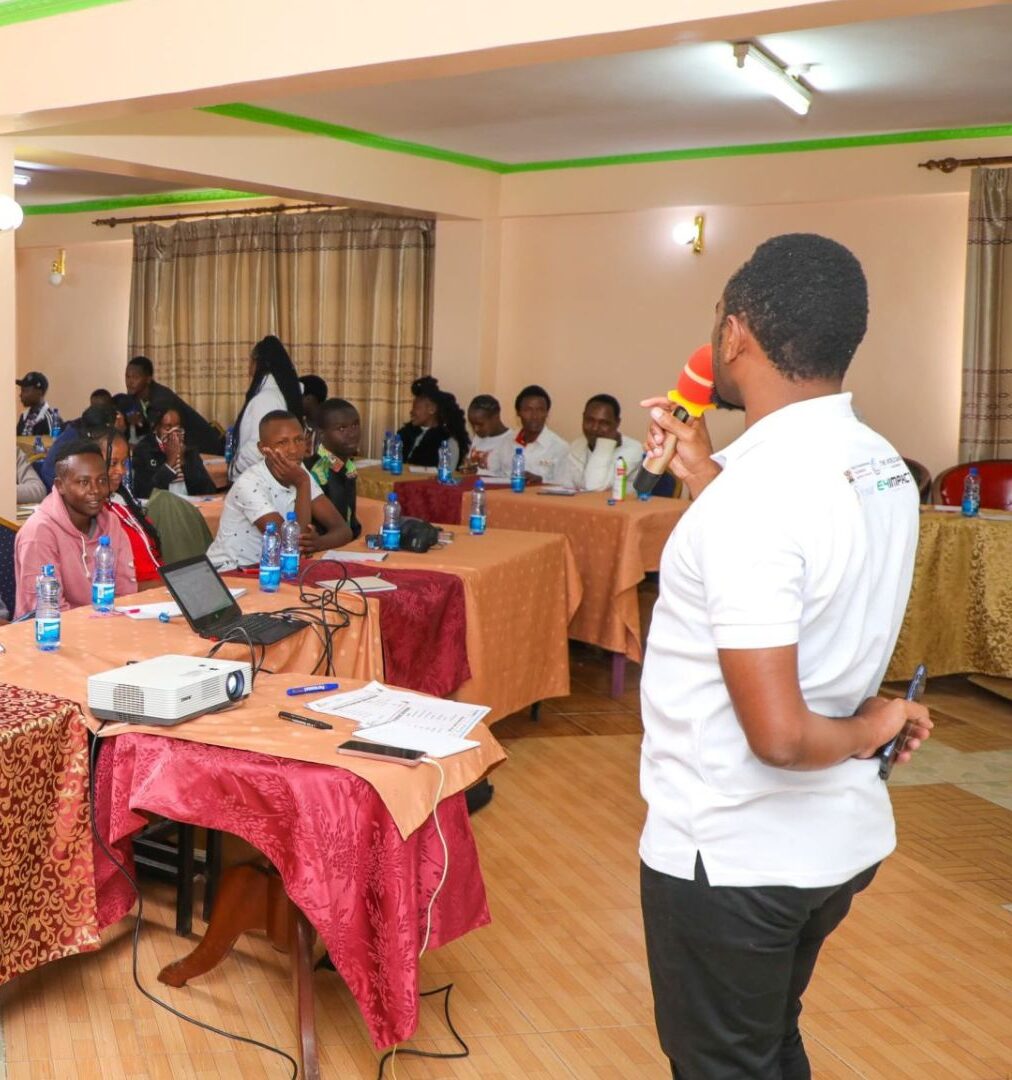
E4Impact and Spineberg Limited adopted a modular and synergistic model that focused on building the intermediaries’ capacity through stakeholder mapping and engagement, identification and selection of beneficiaries, funds disbursement, and networking.
«Startups have brilliant ideas, but without guidance, they risk getting lost. Intermediaries have already built with investors and companies, facilitating access to funding and opportunities», notes Linet Mariita, E4Impact M&E Specialist.
What began as an ambitious plan to close Kenya’s digital skills gap soon turned into a powerful movement of opportunity. More than 1,100 young people applied to join the first intensive bootcamps, with 267 selected for hands-on training in fields such as Artificial Intelligence, Cybersecurity, and Data Science. They didn’t just sit in classrooms—they built solutions for real challenges in healthcare, agriculture, and infrastructure. By the end, they held globally recognized certifications and, in Kisumu alone, developed 34 innovations during national hackathons. All 50 graduates from that center secured three-year employment contracts.
The momentum only grew with the second cohort, which added 285 students, many of them women entering tech for the first time. Across the program, thousands of young Kenyans have trained in areas ranging from digital marketing to robotics. Job placement rates reached as high as 100% in some academies, and women’s participation became a defining feature: for example, female representation was 58% across bootcamps, and up to 65% in certain training centers. Beyond training, the program supported the incubation of over a dozen new business ideas, while intermediaries strengthened their capacity with new equipment, improved curricula, and a wider geographic reach.
This progress naturally led to the program’s final milestone. On 12 August 2025, KIEP-SKIES concluded successfully with a closing ceremony, celebrating a groundbreaking journey of innovation, skills development, and ecosystem growth. In just two years, the initiative achieved remarkable impact: 13 intermediaries supported 391 startups (47% of them women-owned); 329 graduates of technology bootcamps completed their training (58% were women); 117 new innovations were developed; and 545 jobs were created.

Behind these numbers are inspiring stories of success and talent. With professional support and mentorship, many participants transformed their dreams and visions into thriving businesses.
As one of them said: «This incubation pathway has been crucial in advancing my idea and turning it into a tangible reality. I have learned to run my business better and to build a sustainable business».
KIEP-SKIES went beyond coaching and training — it introduced a replicable model, now adopted by many organizations, such as Rift Valley Institute of Business Studies, Open University of Kenya, and Dedan Kimathi University of Technology. Eight Kenyan universities created advanced curricula in Data Science, Engineering and Entrepreneurship. Graduates and innovators from the program have also earned recognition in prestigious competitions, including the World Bank’s Data4Soil Health Challenge and the Founder of the Year Awards 2024.
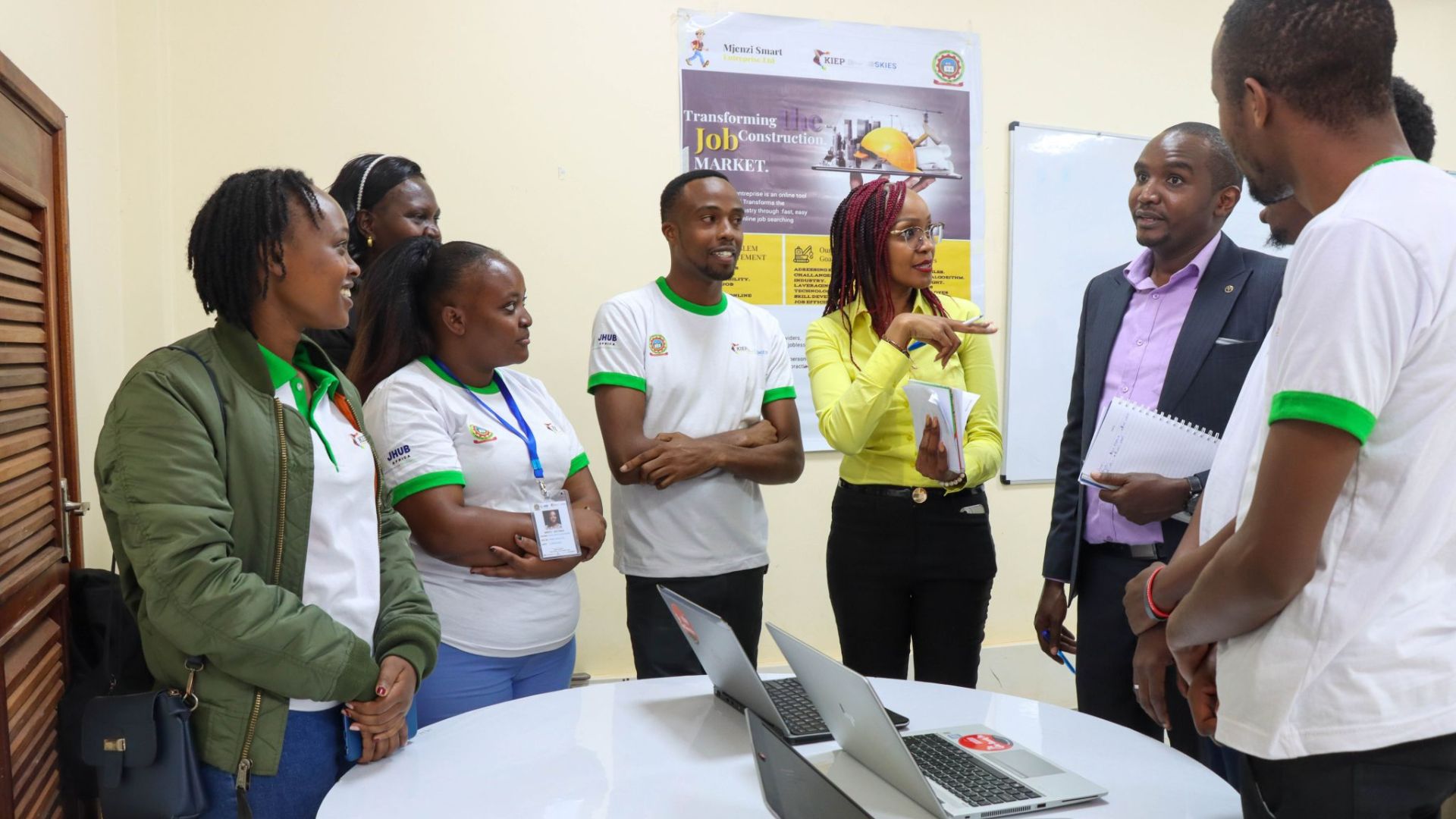
The SKIES journey has demonstrated that when government, development partners, academia, and the private sector join forces, real change is possible. Together, we have sparked momentum for a competitive and sustainable entrepreneurial ecosystem, laying the groundwork for young innovators—especially women—to thrive.
Now is the time to carry this vision forward. By continuing to invest in skills, innovation, and entrepreneurship, Kenya can shape a future defined by resilient businesses, empowered youth, and impactful solutions.