

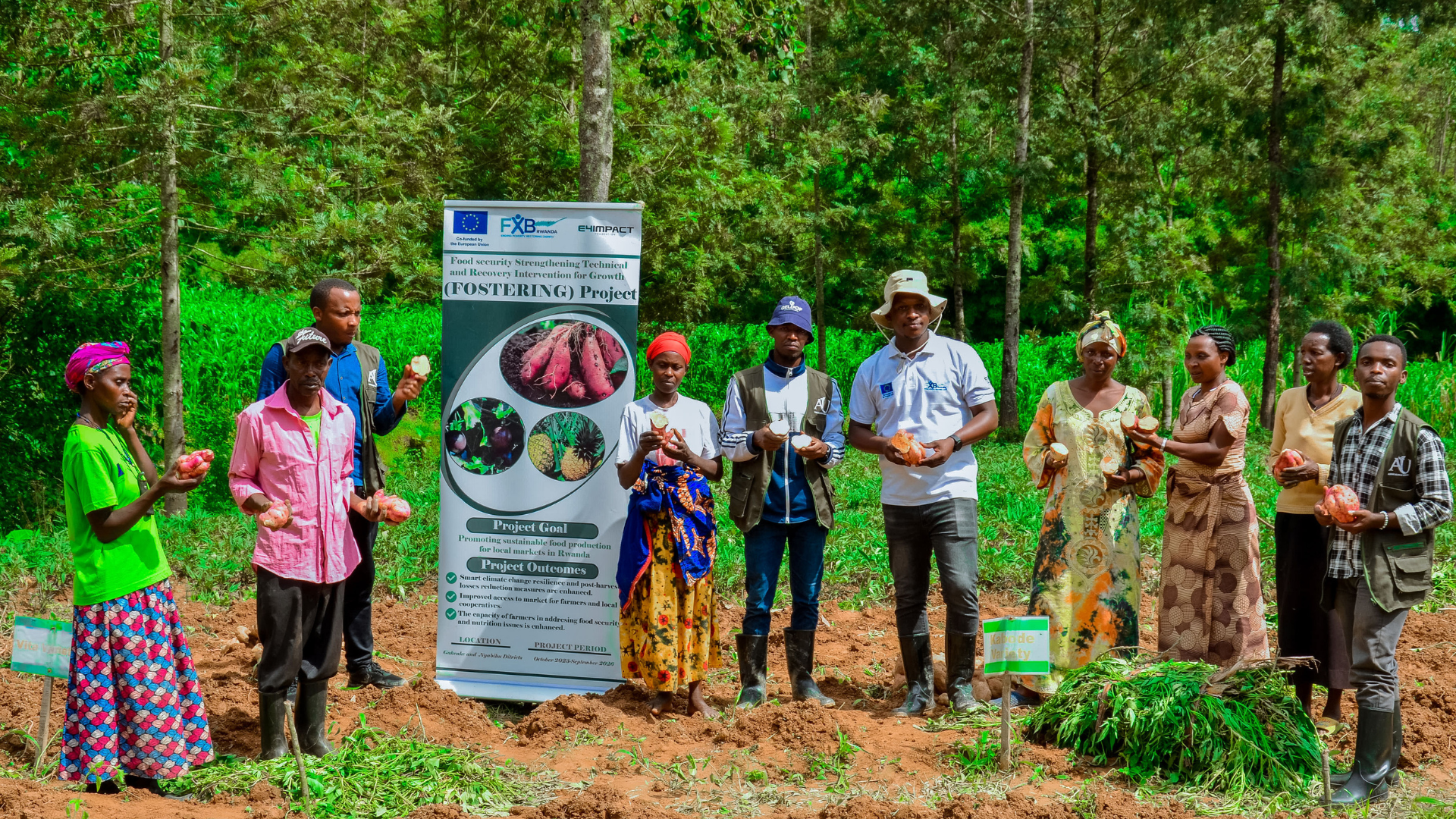
In the agricultural districts of Gakenke and Nyabihu, Rwanda, farming is more than just work: it is the foundation of the economy and community life. Here, the FOSTERING Project, funded by the European Union and implemented by E4Impact Foundation together with FXB Rwanda, is entering a new phase.
The goal is both ambitious and concrete: to help farmers make their cooperatives resilient to climate change by providing them with business and management tools that allow them to compete in increasingly complex markets.
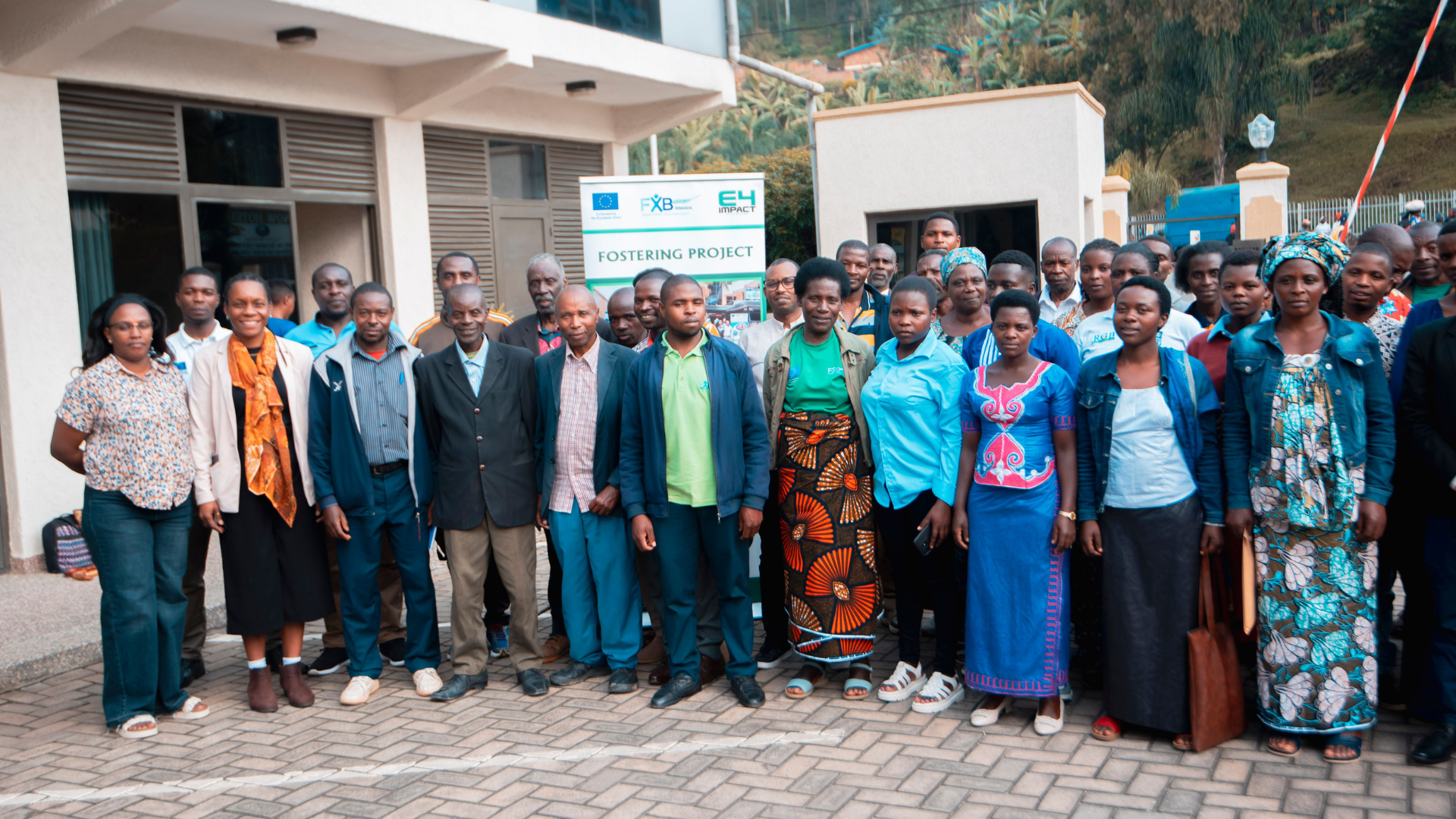
From farming to business thinking
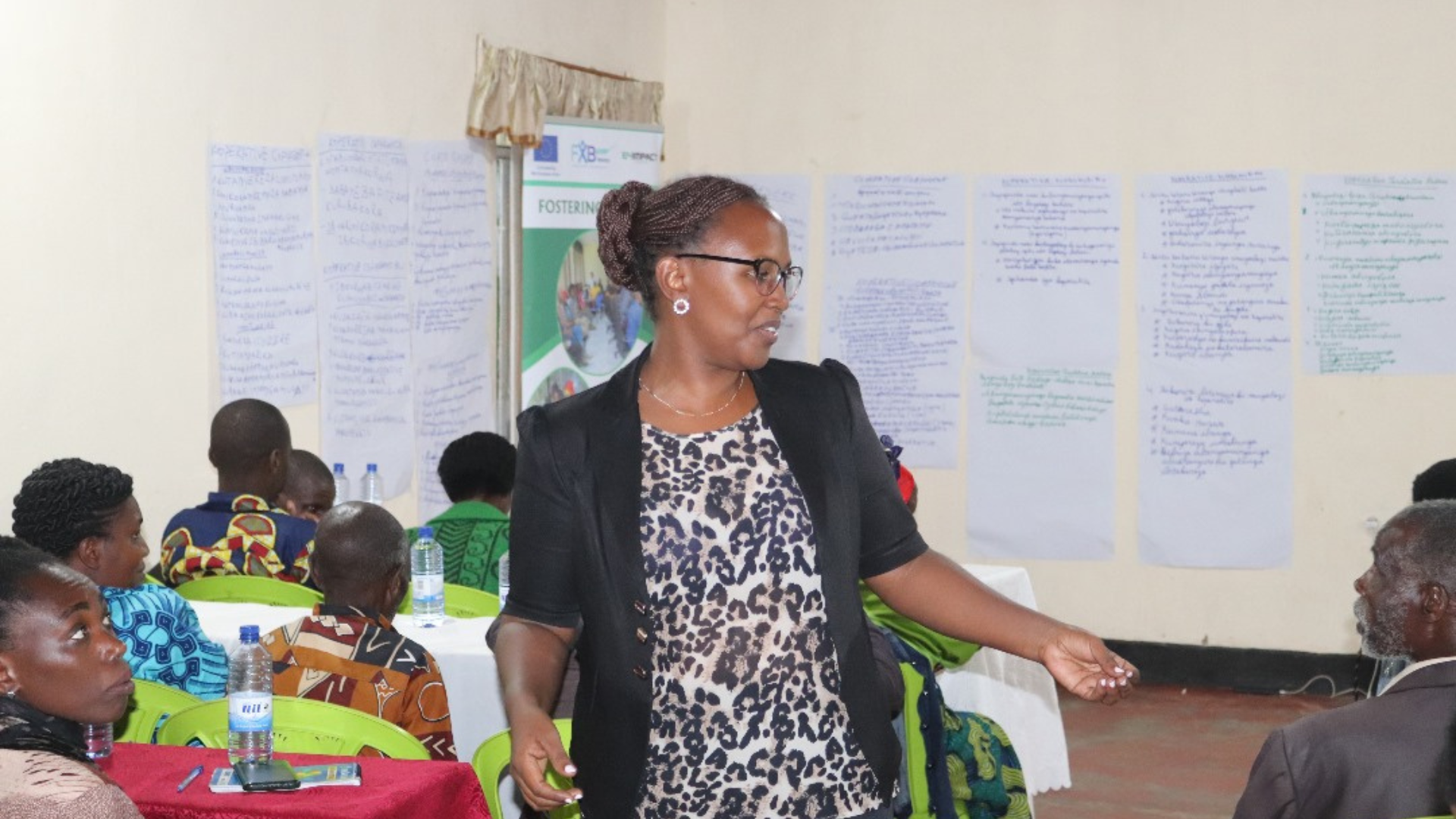
At the beginning of the project, a market assessment identified the most urgent needs. This led to the launch of a structured Training of Trainers (TOT) model: international experts worked with Rwandan master trainers to design four fundamental and interconnected modules:
- Business Model Canvas: to visualize customers, products, and income streams.
- Cooperative Management & Leadership: to learn how to set agendas, keep records, and report back to members, strengthening transparency and accountability.
- Marketing: to plan seasonal sales, promote cooperative products, and identify potential buyers.
- Finance: to build skills in budgeting, cost analysis, and financial planning.
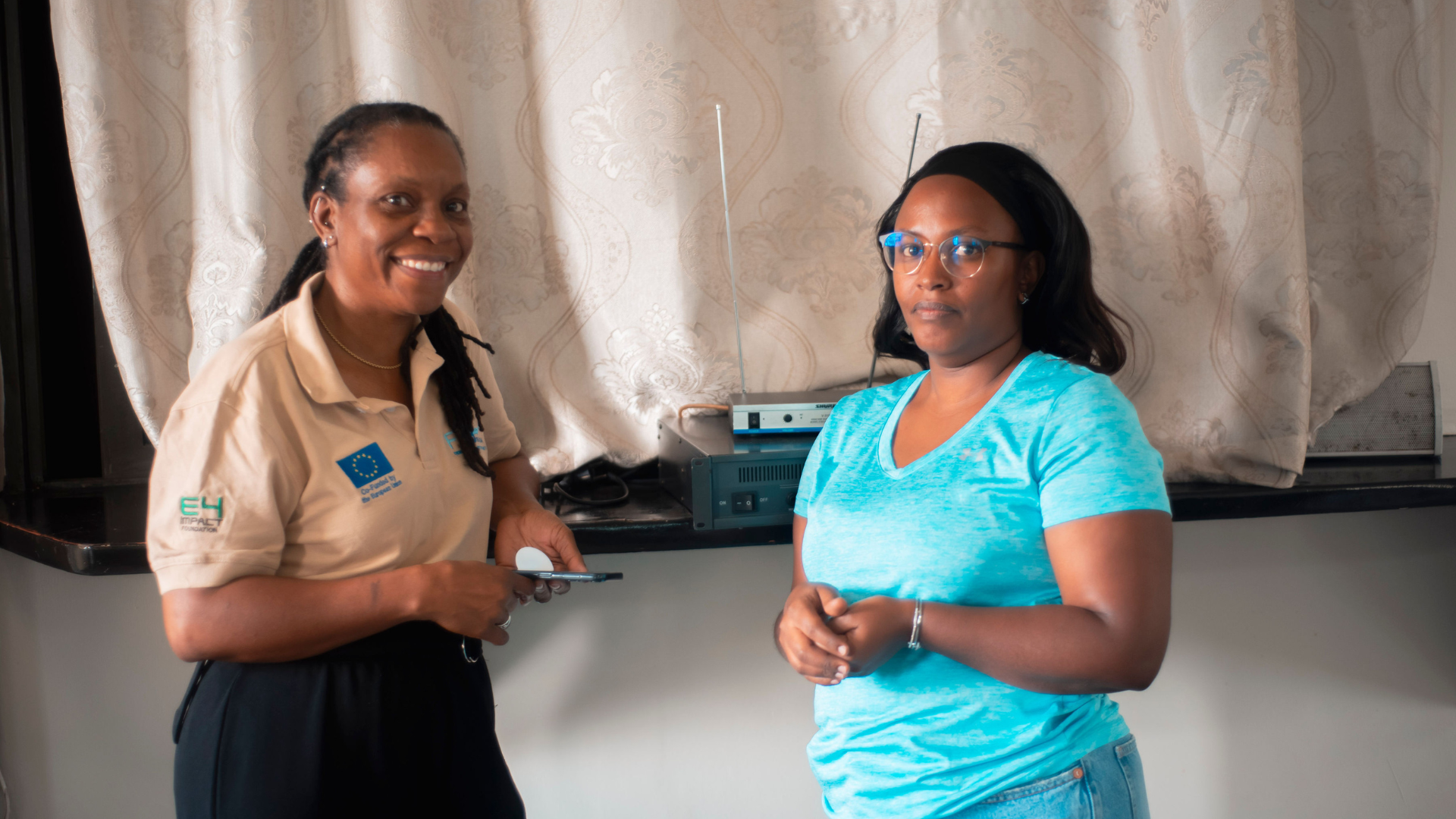
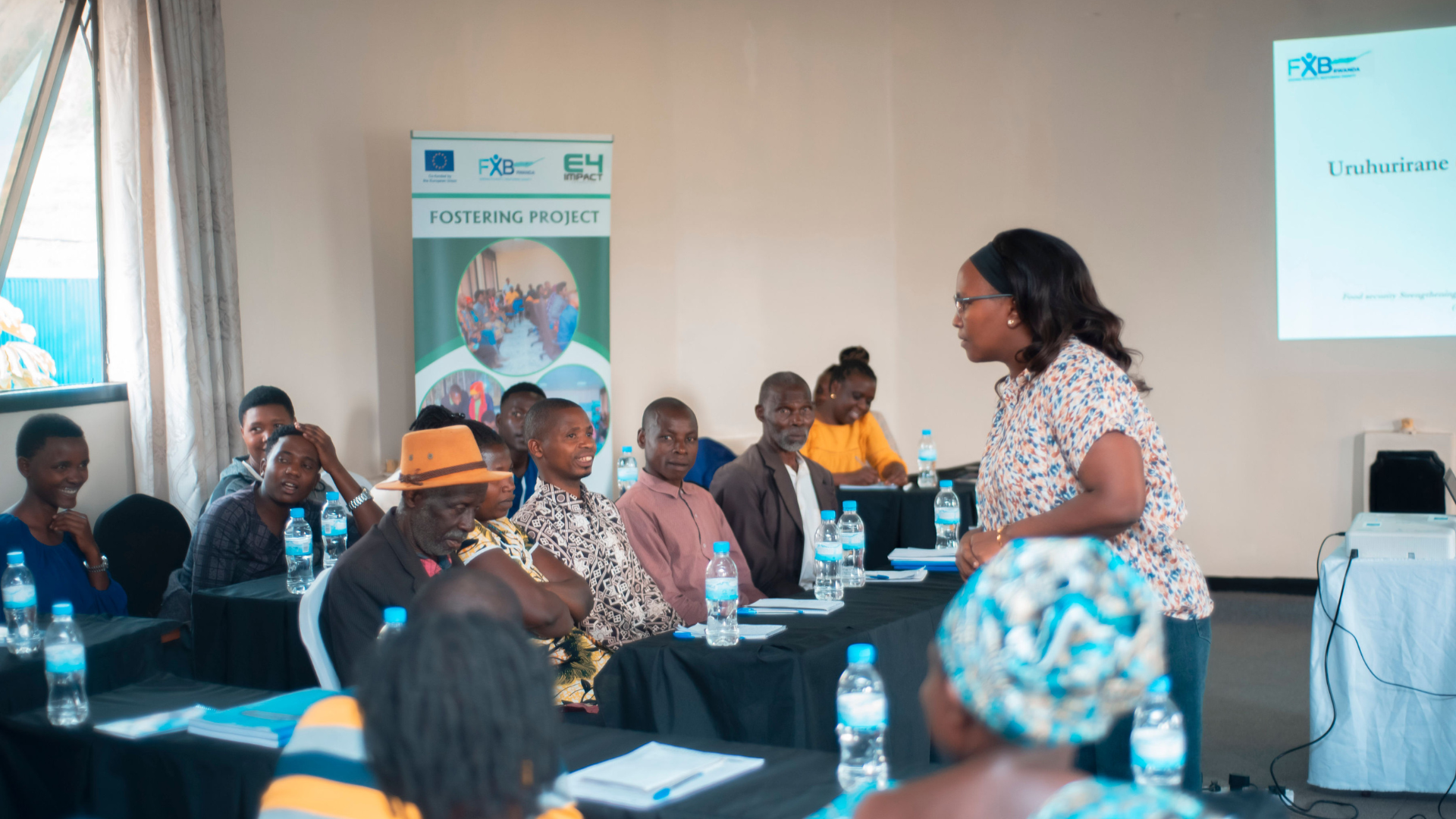
Many farmers had never received any formal business training before. Today, they are experiencing practical and engaging learning.
As one cooperative leader explained:
“We used to sell our harvest without knowing its real value. Now we are starting to calculate costs and think about the price before going to market.”
New tools, new opportunities
One of the most visible results of the project is the creation of tendering committees, made up of trusted members trained in negotiation and recordkeeping. These committees are already confidently engaging with new buyers and have signed contracts with local schools, early childhood development centers, nutrition programs, and supermarkets.
By formalizing their market approach, cooperatives are not only expanding their customer base but also ensuring more stable and predictable incomes for their members.
The turning point of recordkeeping
Another important milestone concerns the adoption of standardized accounting books provided by the Rwanda Cooperative Agency (RCA). For the first time, cooperatives are systematically recording income and expenses.
This innovation brings three key changes:
- improved financial literacy;
- real opportunities to access loans and external financing;
- the ability to set fair prices, measure profitability, and define realistic targets.
As one participant put it:
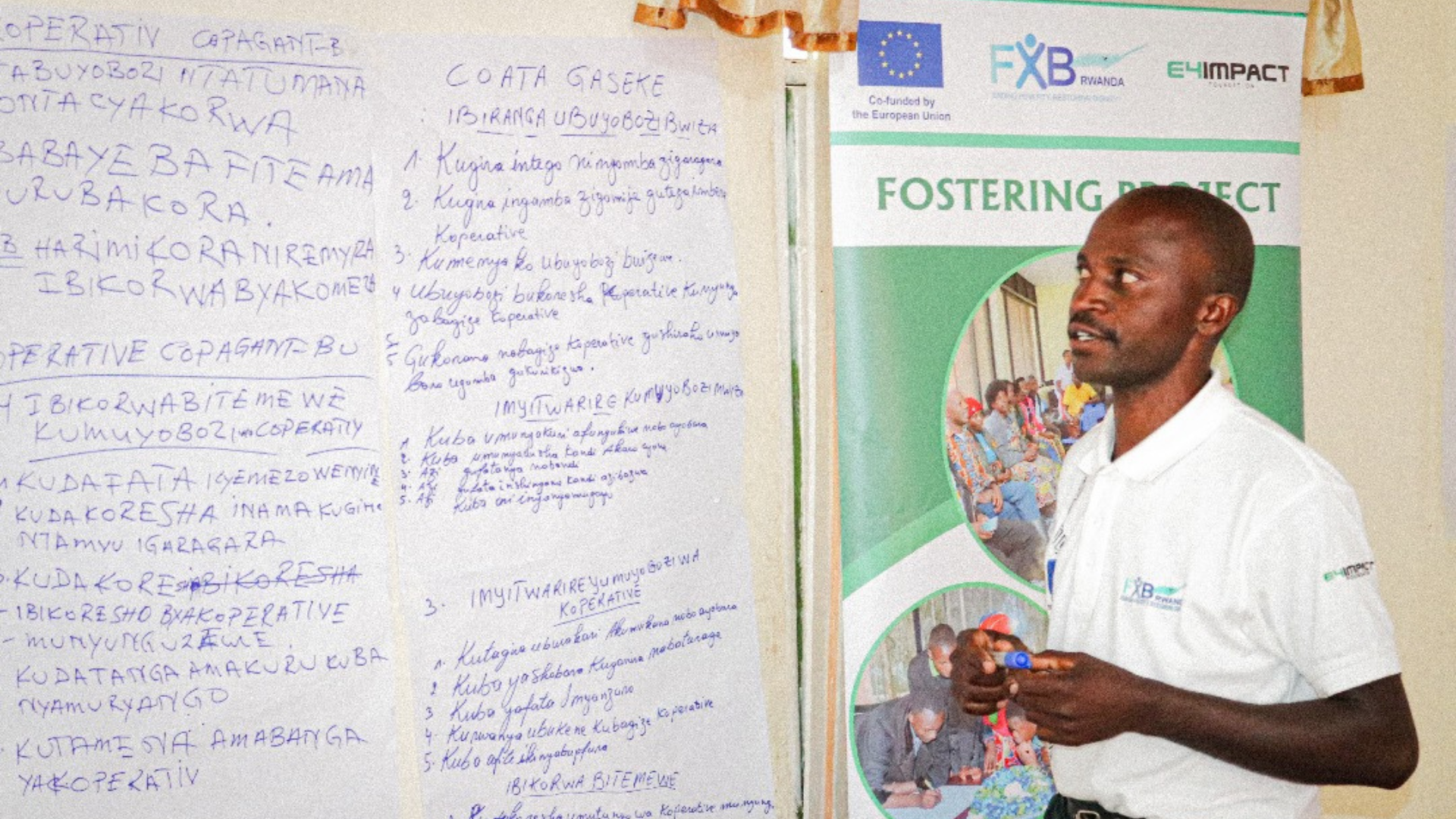
“We see our cooperative differently now. It is not only about farming — it is our business for the future.”
Early progress in the field
The TOT model is proving highly effective. Local Business Coaches (LBCs), intensively trained by master trainers, are now facilitating cooperative sessions with growing confidence.
Despite differences in education levels among members, professional guidance has allowed everyone to embrace the training with enthusiasm. Some cooperatives have already started to draft internal regulations, organize regular committee meetings, use cooperative governance checklists to make better-informed decisions, prepare seasonal financial summaries and practice budget forecasting with their LBCs.
Looking ahead
The journey does not end here: one more module remains, but above all, many steps are still to be taken in the field. In the coming months, cooperatives will put classroom knowledge into practice by experimenting with new market strategies, strengthening internal structures, and consolidating financial discipline.
The FOSTERING Project demonstrates that when entrepreneurship training is combined with cooperative development, real resilience can emerge.
Through this initiative, E4Impact and FXB Rwanda are helping Rwandan farmers build stronger businesses, improve their families’ livelihoods, and contribute to the long-term sustainability of the country’s agricultural sector.
Hausa Lightbourne