
When you walk a factory floor in Harare, Accra, Kampala or Addis, you meet the people who hold African industry together: women who manage lines, move product, and run the small firms that supply them. They are present in large numbers, but too often without the levers that convert work into power: finance, standards, and access to big markets.
Across Eastern and Southern Africa, about 65% of women are employed – versus 75% of men. The gap isn’t ability; it’s access – to assets, finance, childcare, and safer, more formal work. The World Bank’s latest regional update is blunt: these productivity gaps reflect structural barriers, not inherent differences.
A clear message on Women’s Empowerment from Riyadh
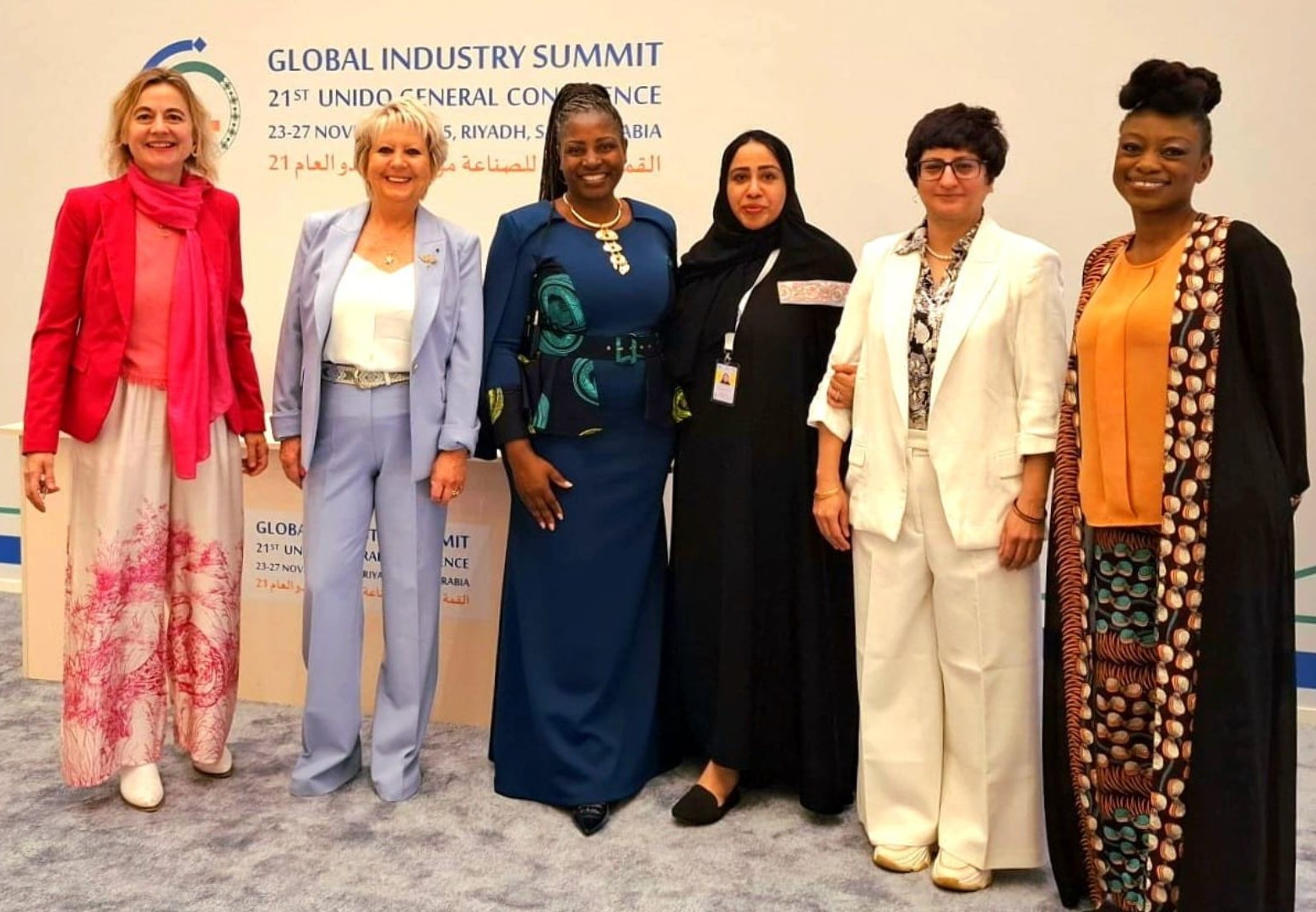
On 25 November 2025, Susan Martha Dambudzo Bvochora, Program Leader of the E4Impact MBA in Zimbabwe, joined the 21st session of the UNIDO General Conference in Riyadh, Saudi Arabia, during Women’s Empowerment Day. Women entrepreneurs, leaders, and innovators were at the center of the discussions, which focused on practical tools and proven strategies to remove structural barriers and inform gender-responsive policies, particularly amid green and digital transitions. The event also encouraged cross-regional exchange and showcased real stories of resilience and innovation. These priorities mirror exactly what we see on the ground across E4Impact projects in Africa.
The digital door has opened – partway
Mobile internet is now the primary on-ramp to the economy in low- and middle-income countries. Yet women remain about 14% less likely than men to use it, roughly 235 million fewer women online, with the widest gaps in Sub-Saharan Africa; key barriers include affordability, literacy and skills, and safety. The 2024 cycle reported a narrowing in adoption gaps, but persistent challenges remain.
The procurement paradox: huge market, tiny share
Public procurement is vast – about 12.7% of GDP across OECD economies in 2023, and considerably higher shares in many developing countries. Yet women-owned firms capture only around 1% of procurement globally across public and large corporate spend. That’s a systems problem: procedures bundled for incumbents, collateral rules that exclude women, thin networks, and limited transparency.
Finance that fits orders, not just assets
The MSME finance gap in emerging markets runs into the trillions, with women-owned MSMEs accounting for about one-third of the shortfall. Risk-sharing facilities and earmarked windows for women-led firms are growing, but demand still outstrips supply.

What actually moves the needle
Experience gained from working with women entrepreneurs in the E4Impact MBA highlights three factors that consistently help women move from participation to power in industry.
The first is designing from a real buyer, starting from exact specifications, required certifications, and delivery timelines, rehearsing documentation together with procurement teams and then testing it in real operating conditions. The second is the transfer of trust. Direct and qualified introductions from alumni, mentors, and sector bodies help new women-led firms bridge the credibility gap. The third is matching finance to purchase orders. Short-cycle capital, advanced against a confirmed order and repaid through the buyer’s invoice, can turn productive capacity into concrete contracts, especially when supported by risk-sharing mechanisms.
HerVenture Africa: accompanying women into industry
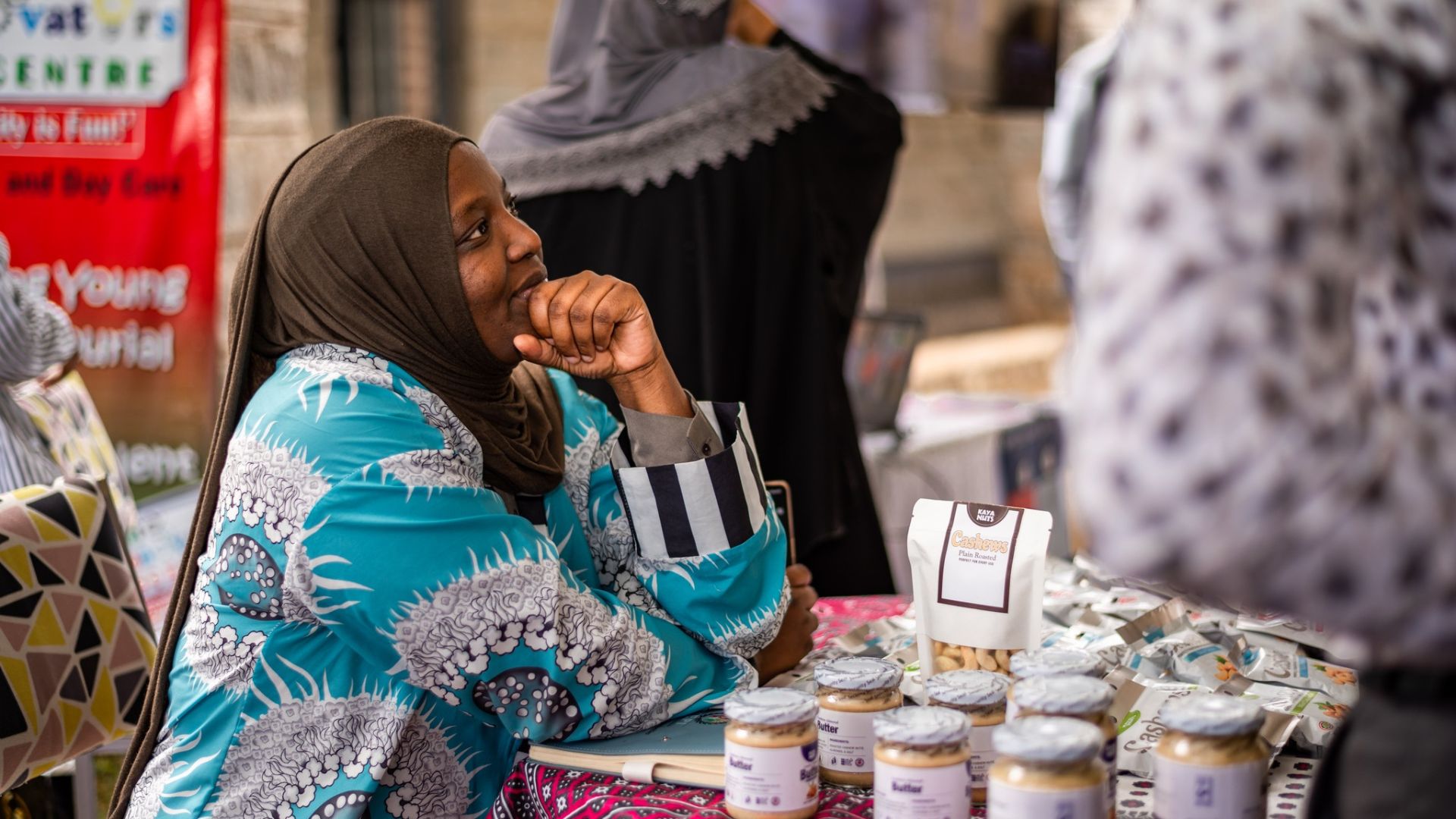
Sue Bvochora is deeply engaged in women’s empowerment initiatives and is also part of HerVenture Africa, a pan-African programme designed to support women in moving from pitch-ready to supply-ready across five countries – Zimbabwe, Uganda, Ghana, the Democratic Republic of Congo, and Ethiopia. The model combines Women’s Entrepreneurship Chairs at universities, short and practical training modules, buyer-focused specification clinics, mentor networks, and a B2B platform supported by business expeditions.
Partners can plug in quickly and concretely by acting on three key levers: targeting value chains and setting measurable goals for women-led suppliers, supporting firms to meet required standards, and financing order-linked working capital – advanced on confirmed orders and repaid from buyers’ invoices, ideally with a risk-sharing element. Results are tracked through indicators that matter to policymakers and buyers: jobs, firm survival, revenue growth, and cross-border trade.
Why women’s inclusion is an industrial strategy, not a side project
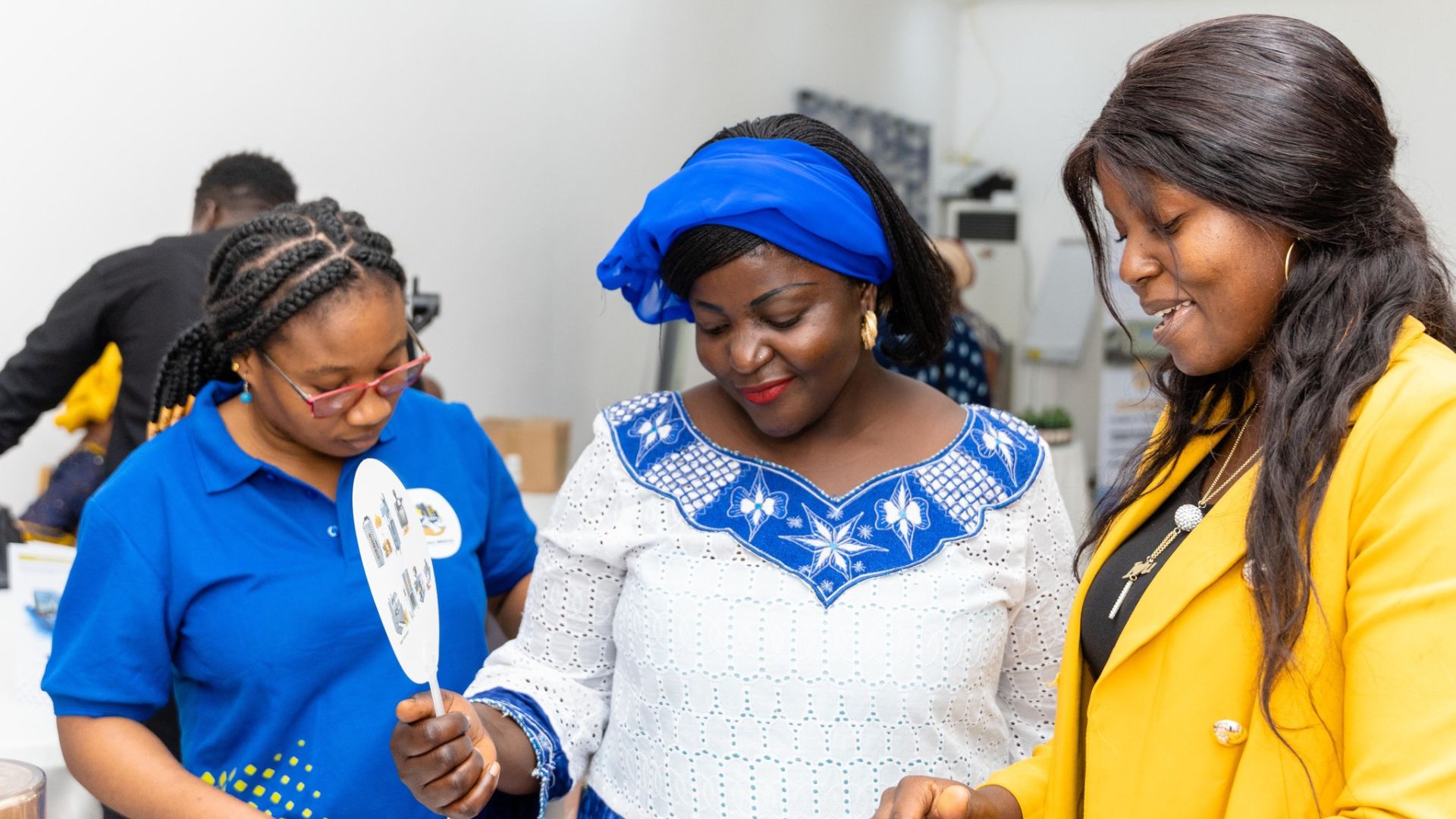
Women’s inclusion is not a side initiative, but a true industrial strategy. Diversifying supply chains strengthens resilience and drives innovation, as the business case for gender-responsive procurement clearly shows. Shifting even a few percentage points of public spending — often a double-digit share of GDP — can create significant opportunities for women-owned SMEs. At the same time, narrowing the mobile internet gender gap accelerates access to training, finance, and compliance tools, which are exactly what buyers and regulators need to see.
Africa does not lack women in the workforce. What it lacks are friction-free pathways from work to power: transparent standards, the right kind of finance, and networks capable of transferring trust. These are precisely the elements we can build, together.
Susan Bvochora