
In many African countries, food insecurity and public health challenges are closely linked to unsustainable agricultural practices and fragile food systems. Climate change and the excessive use of chemical inputs continue to compromise both food quality and access to nutritious products.
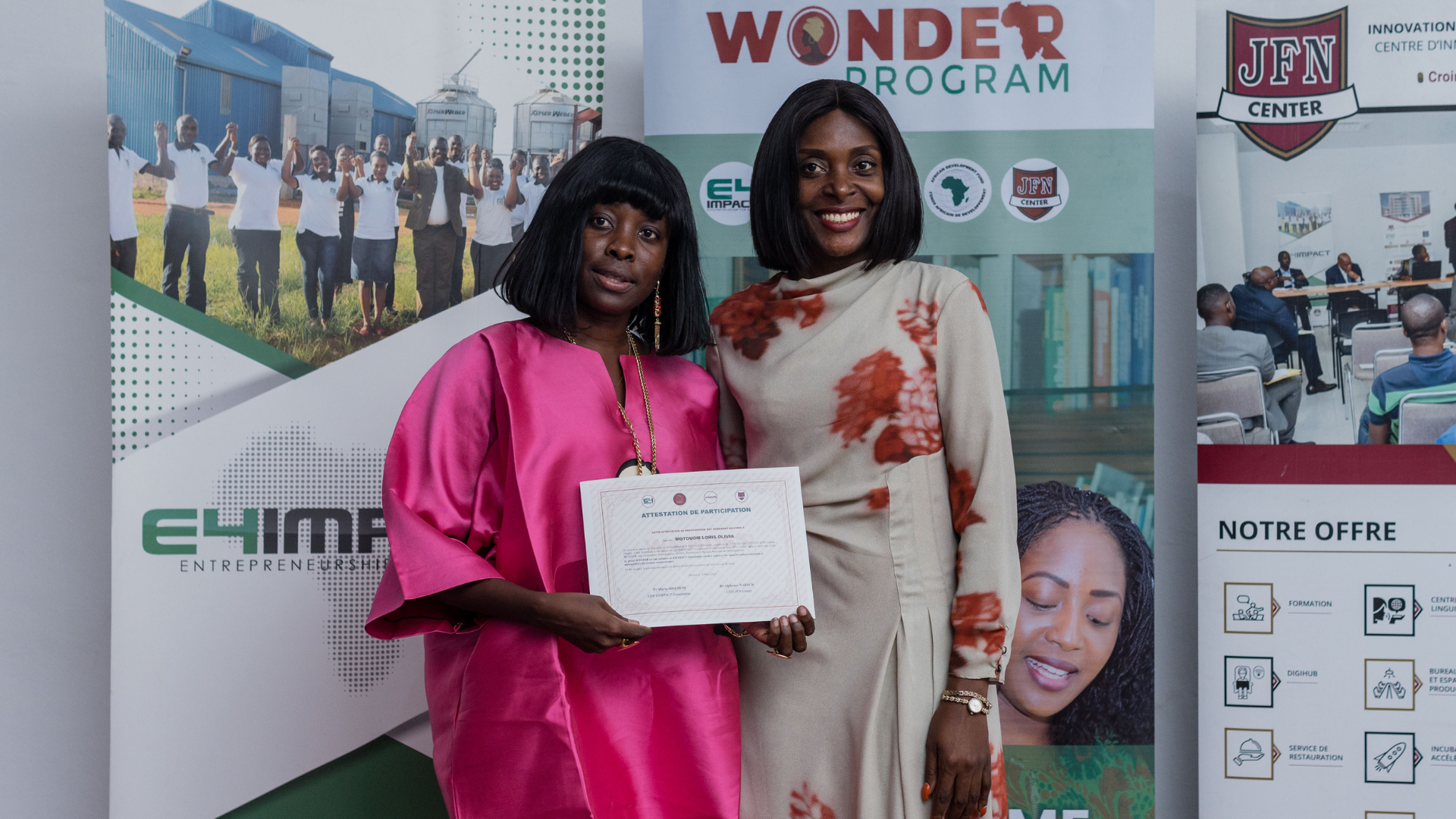
In response to this challenge, Loris Olivia Motouom, #E4ImpactEntrepreneur from Cameroon, chose to build an innovative solution that places technology and sustainability at the heart of food production. Her entrepreneurial journey was strengthened through her participation in E4Impact’s Wonder Accelerator Program, which supported her in structuring her business model and scaling the impact of her venture.
She is the founder of Agritechnologic Africa, a company whose mission is to use ICT technologies and biotechnological methods—with a special focus on intelligent aquaponics systems—to improve food systems in both quality and quantity, ensuring healthy food is accessible to everyone.
“The E4Impact ecosystem exposed me to high-level entrepreneurs, some of whom were already successful CEOs, and their mindset, vision, and approach significantly impacted my own vision for my project. The program gave me invaluable managerial skills that helped me organize international training and collaborate with other global organizations.”
Let’s learn more about Loris by having a look at the interview we conducted with her.

1. How was your business idea born?
The business idea was born during the COVID-19 pandemic, a moment that deeply marked both society and my personal journey. At that time, we were selling clothes and shoes, but the high mortality rate we witnessed—often linked to chronic diseases such as hypertension, diabetes, cancer and cardiovascular conditions—forced us to reflect. We realized that food quality played a critical role in people’s health, especially considering the excessive use of pesticides in agricultural production. From there, our vision became clear: to use ICT technologies and biotechnological methods to improve food systems in both quality and quantity, ensuring that healthy food is accessible to everyone.
2. Could you share a general framework of the services, activities, solutions and/or benefits that your business has provided over the last years?
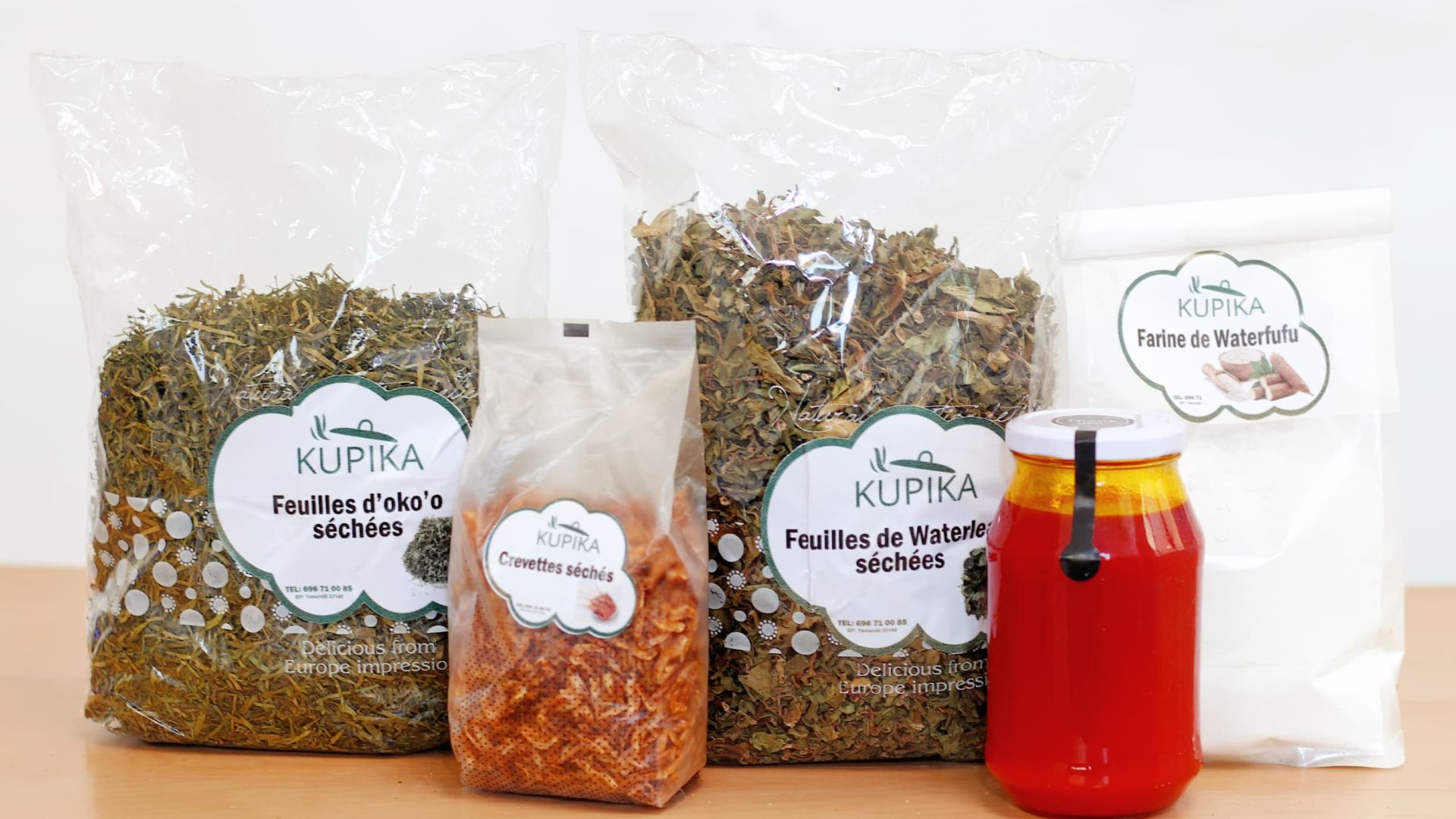
Over the years, we have developed an integrated model that combines products, services and capacity building. On the product side, we offer tuber-based flours such as waterfufu flour, dried vegetables, prepared African meal baskets and intelligent aquaponics systems that simplify cooking while promoting healthy nutrition. In parallel, we provide agritech and agricultural consulting services, along with training programs focused on agroecology and business management.
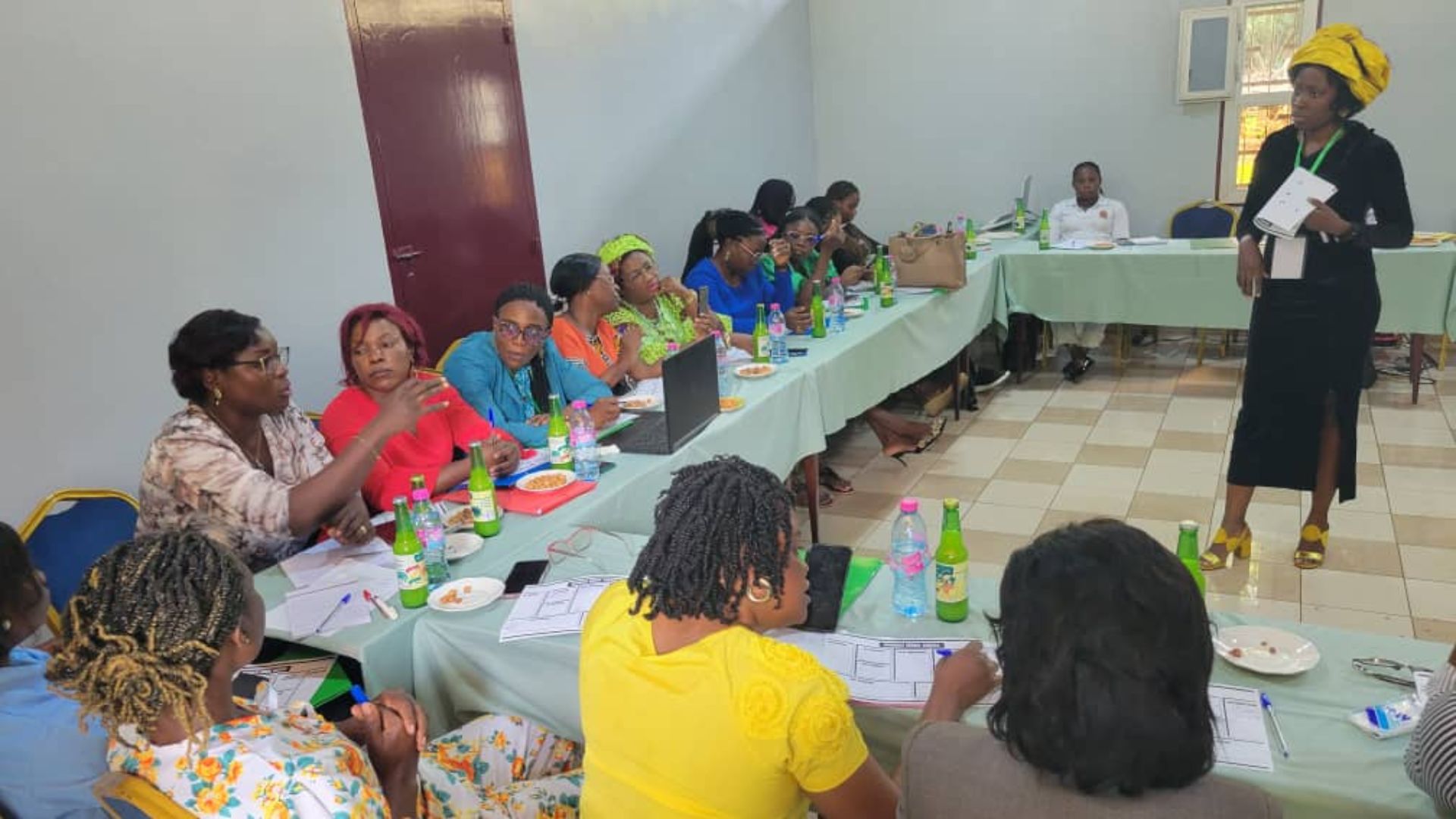
So far, more than 60 women have benefited from our programs at the national level, while around 20 young entrepreneurs and women have been trained across 12 African countries. We have also coached young girls in technological fields related to climate change, waste management and agriculture.
3. What made you choose the E4I Accelerator Program?
I chose the WONDER Accelerator Program to transform my business idea into a structured and scalable enterprise. I was also motivated by the opportunity to expand my business network, strengthen and refine my business strategies, and ultimately increase the impact of my work on my community.
4. Which are the main achievements in the last 3 years and the main desired goals in the next 3 years?
In the last three years, we have achieved significant milestones. We built strong partnerships with both public and private organizations, enabling us to deliver local and international training programs. Our activities have expanded to 12 African countries, from Senegal and Kenya to Madagascar and Côte d’Ivoire.
We have also conducted research on six varieties of flours and dried vegetables that are already being commercialized, while continuing to develop five agritech solutions scheduled for official launch in 2026. Economically, our turnover has grown steadily, and in the coming three years our goal is to scale up production through semi-industrial equipment, establish a processing plant and expand into all regions of Cameroon and the AfCFTA market.
5. Which main challenges were you experiencing in your business, if any?
One of our main challenges has been sourcing raw materials, largely due to the effects of climate change. Transportation from farms to processing zones has also been complex, and our traditional production methods limited our ability to meet growing demand. Another major challenge was starting without initial capital and convincing experts to join the project. Today, however, we are supported by a network of more than 15 expert trainers from five different countries who actively contribute to our training and capacity-building programs.
6. Could you tell us a particular satisfactory moment you had in your entrepreneurial activity?
One of the most satisfying moments was receiving national recognition despite operating quietly and communicating little about our work. Being ranked second among the Top 10 Best Cameroonian Tech Startups of 2023 and included in the Top 11 Success Stories of Young Entrepreneurs in Agro-Pastoralism in 2024 by Cameroon Business was a powerful validation of our impact and commitment.
7. What impact have you seen in your environment, and what impact do you aim to create for your beneficiaries in the future?
Our project promotes agroecological production and sustainable transformation methods that protect soil, combat climate change and preserve food quality, ultimately improving human health. Through our training programs, we actively contribute to several Sustainable Development Goals, including Zero Hunger, Good Health and Well-being, Climate Action, and Responsible Production and Consumption. Looking ahead, we aim to deepen this impact by empowering more producers—especially women and youth—and expanding access to healthy food across Africa.
8. In your opinion, what are the main qualities an entrepreneur should have?
An entrepreneur must be resilient, focused and disciplined. Honesty, alignment with one’s values, optimism and passion are equally important, along with the ability to dream big while remaining hardworking and committed.
9. Is there a person you are inspired by, i.e. an entrepreneur or a particular mentor?
As a woman, I am inspired by Michelle Obama for her ability to balance leadership, family and vision. As an entrepreneur, Tony Elumelu inspires me for his resilience, his approach to wealth creation and the tangible impact of his foundation on African youth.
10. Finally, what would you suggest to a new-born entrepreneur?
Don’t wait until you have all the resources to start. Begin with what you have, stay focused, remain disciplined and keep moving forward, even when the path is uncertain.