
Africa’s agricultural sector, despite being the backbone of many economies, faces persistent challenges—from price volatility and limited financing to unsustainable farming practices and weak market linkages. Smallholder farmers, who produce the majority of food in the region, often remain excluded from global trade and fair pricing mechanisms.
This disconnect reflects a broader issue: the lack of inclusive infrastructure and digital tools that can empower farmers to thrive in a rapidly evolving global economy.
Roy Njoka, founder of Terralima, saw an opportunity for transformation.
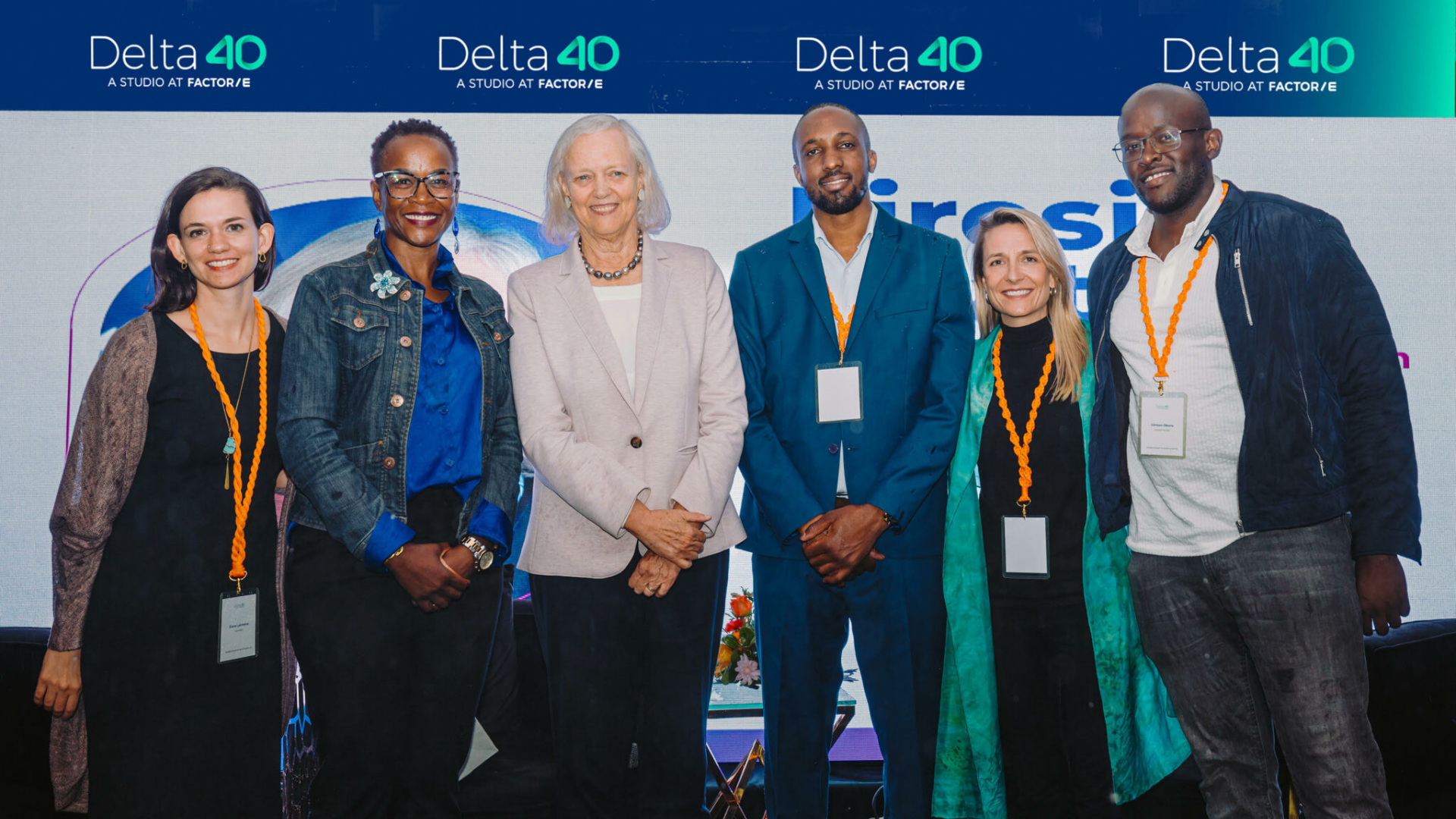
The #E4ImpactEntrepreneur attended the AYuTe Africa Challenge Kenya in 2024. With the support of this initiative, he has demonstrated that with innovation, resilience, and purpose, technology can become a powerful bridge between African farmers and global markets—driving financial inclusion, climate-smart agriculture, and traceable trade.
“The E4Impact program was pivotal in sharpening Terralima’s strategy and growth model. Through practical guidance, mentorship, and a strong network, we were able to validate our model, streamline operations, and tackle key challenges—from market entry to financing and supply-chain efficiency. It truly strengthened our value proposition and our ability to connect smallholder farmers to global markets.”
Let’s learn more about Roy by having a look at the interview we conducted with him.

1. Could you share a general framework of the services, activities, solutions and/or benefits that your business has provided over the last years?
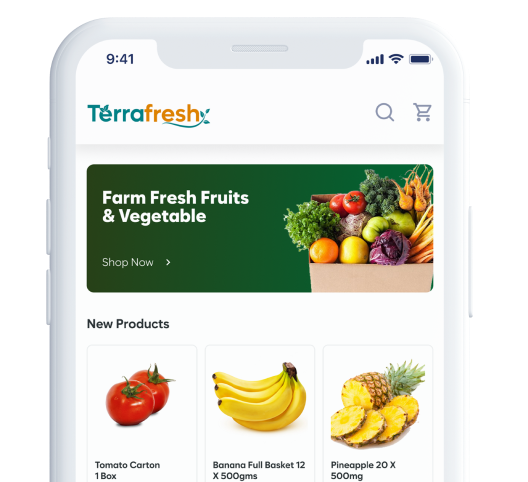
Over the past years, Terralima has developed an integrated platform that supports smallholder farmers through market access, financing solutions, sustainable agriculture training, and digital traceability. We’ve connected more than 5,000 farmers to fair markets, enabled over $20k in financing, and introduced blockchain-based systems to ensure transparent and ethical sourcing. Through climate-smart programs implemented across 20,000+ acres, farmers have improved productivity, strengthened environmental resilience, and increased their incomes by 30%. Additionally, collaborations with international buyers have helped integrate smallholders into global value chains and reinforce supply-chain reliability.
2. Which are the main achievements in the last 3 years and the main desired goals in the next 3 years?
In the last three years, Terralima has expanded its network to over 5,000 farmers, enhanced their earnings through direct access to formal buyers, and facilitated financing to support production improvements. We established full traceability for ethically sourced commodities, advanced sustainable land management on more than 20,000 acres, and launched pilots for traceable exports hat improved the global positioning of African agricultural products.
Over the next three years, our goal is to reach 100,000 farmers, mobilize more than $50M in financing, and scale traceable exports across Africa, Europe, and Asia. We also plan to promote climate-smart and regenerative farming over 500,000+ acres and deploy AI tools for precision agriculture and credit scoring, enabling supply chains to become more efficient, transparent, and climate-resilient.
3. What made you choose the E4I MBA Program?
I felt that the “AYuTe Africa Challenge Kenya” initiative would help me scale my business and explore new opportunities. I was looking for a program that would allow me to strengthen and further develop my business strategies while creating impact in my community.
4. How was your business idea born?
Terralima was born from my experience building Digiduka, where we empowered small businesses with digital payments and financial tools, ultimately scaling to serve 200,000+ kiosks across five African countries.
Through that journey, I saw firsthand how access to finance and digital tools could transform underserved businesses. However, I also recognized that smallholder farmers faced an even greater challenge—access to stable markets and fair prices. Many were trapped in cycles of exploitation, lacking financing, transparency, and direct buyer connections.
Applying what I learned from Digiduka, I saw the opportunity to create a technology-driven, traceable supply chain that ensures farmers receive fair prices, financial inclusion, and direct market access. Terralima is the bridge between smallholder farmers and global markets, combining blockchain, AI-driven credit scoring, and embedded finance to create a transparent, sustainable, and profitable agricultural ecosystem.
5. Which main challenges were you experiencing in your business, if any?
Terralima faced several key challenges while scaling. Access to working capital was a major hurdle, as financing farmers and aggregators required significant liquidity. Another challenge was getting farmers to adopt the new solutions, as many small producers were not familiar with digital traceability and integrated finance, making in-depth training activities necessary.
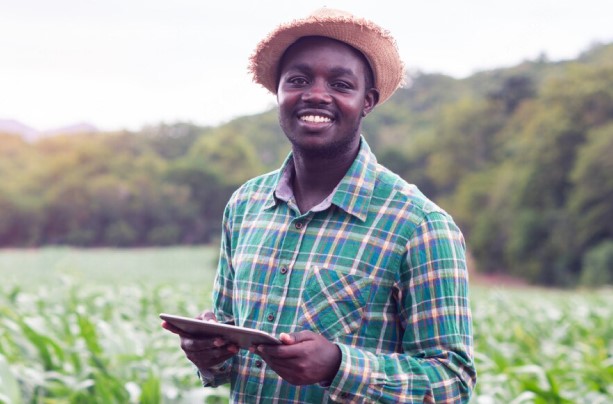
Buyer trust and market linkages took time to establish, as global buyers demanded consistent, traceable supply before committing to large contracts. Regulatory complexities in cross-border trade also slowed expansion, while macroeconomic factors like currency fluctuations and inflation impacted operational costs.
Despite these challenges, we have built a strong foundation, securing key partnerships, refining our business model, and positioning ourselves for scalable growth in 2025 and beyond.
6. Could you tell us a particular satisfactory moment you had in your entrepreneurial activity?
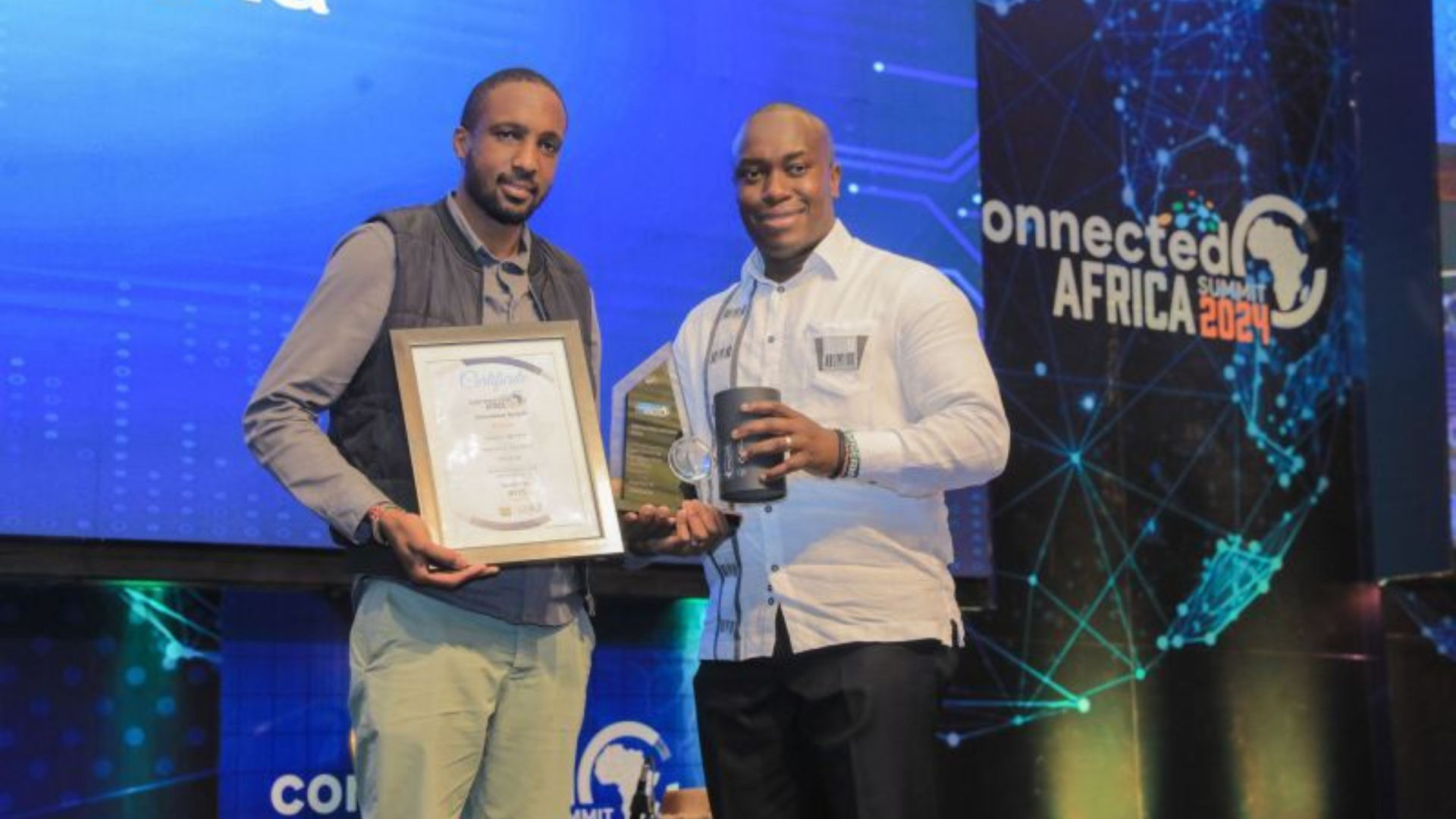
For me, the most satisfactory moment was the graduation ceremony – especially receiving the certificate and the trophy. It was a celebration of my achievements and the completion of the program.
7. What impact have you seen in your environment, and what impact do you aim to create for your beneficiaries in the future?
I have seen growing investor interest and ecosystem support for agritech solutions in Africa. The entrepreneurial environment is shifting towards sustainable, impact-driven ventures, with more emphasis on financial inclusion, traceability, and climate resilience. Programs like E4Impact and Startup bootcamp have strengthened my network, strategy, and access to capital, allowing me to contribute to a thriving innovation ecosystem. Moreover, as a mentor and fintech leader, I actively support early-stage entrepreneurs, sharing insights on scaling businesses in Africa’s challenging but high-potential markets.
8. What has been the main challenge you had to overcome in your entrepreneurial experience? How have you managed to overcome it?
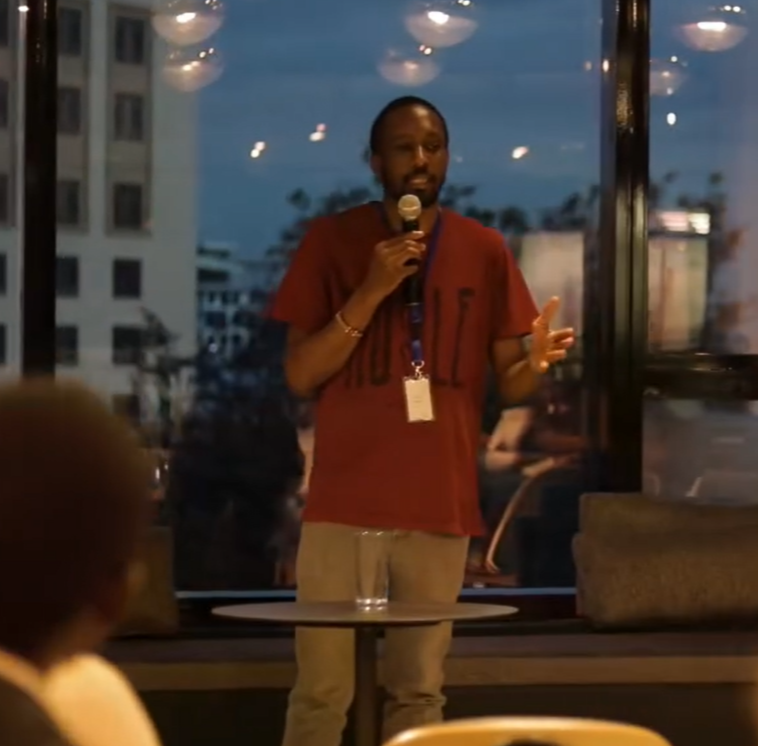
One of the biggest challenges in my entrepreneurial journey has been access to capital while scaling impact-driven businesses. Building Digiduka and now Terralima, I have faced the difficulty of securing working capital and investment, especially in sectors like agritech that require patient capital and infrastructure development. To overcome this, I focused on strengthening business fundamentals, leveraging strategic partnerships, and engaging with global accelerator programs like E4Impact ones.
9. In your opinion, what are the main qualities an entrepreneur should have?
An entrepreneur must have resilience, adaptability, and empathy to navigate the challenges of building and scaling a business. Resilience is crucial to push through setbacks, funding struggles, and market uncertainties without losing sight of the vision. Adaptability allows entrepreneurs to pivot strategies, embrace new technologies, and respond to changing market dynamics. Empathy is essential for understanding customer needs, building strong teams, and creating solutions that drive real impact. These qualities have been key in my journey, from Digiduka to Terralima, ensuring that I stay focused, flexible, and deeply connected to the people we serve.
10. Is there a person you are inspired by, i.e. an entrepreneur or a particular mentor?
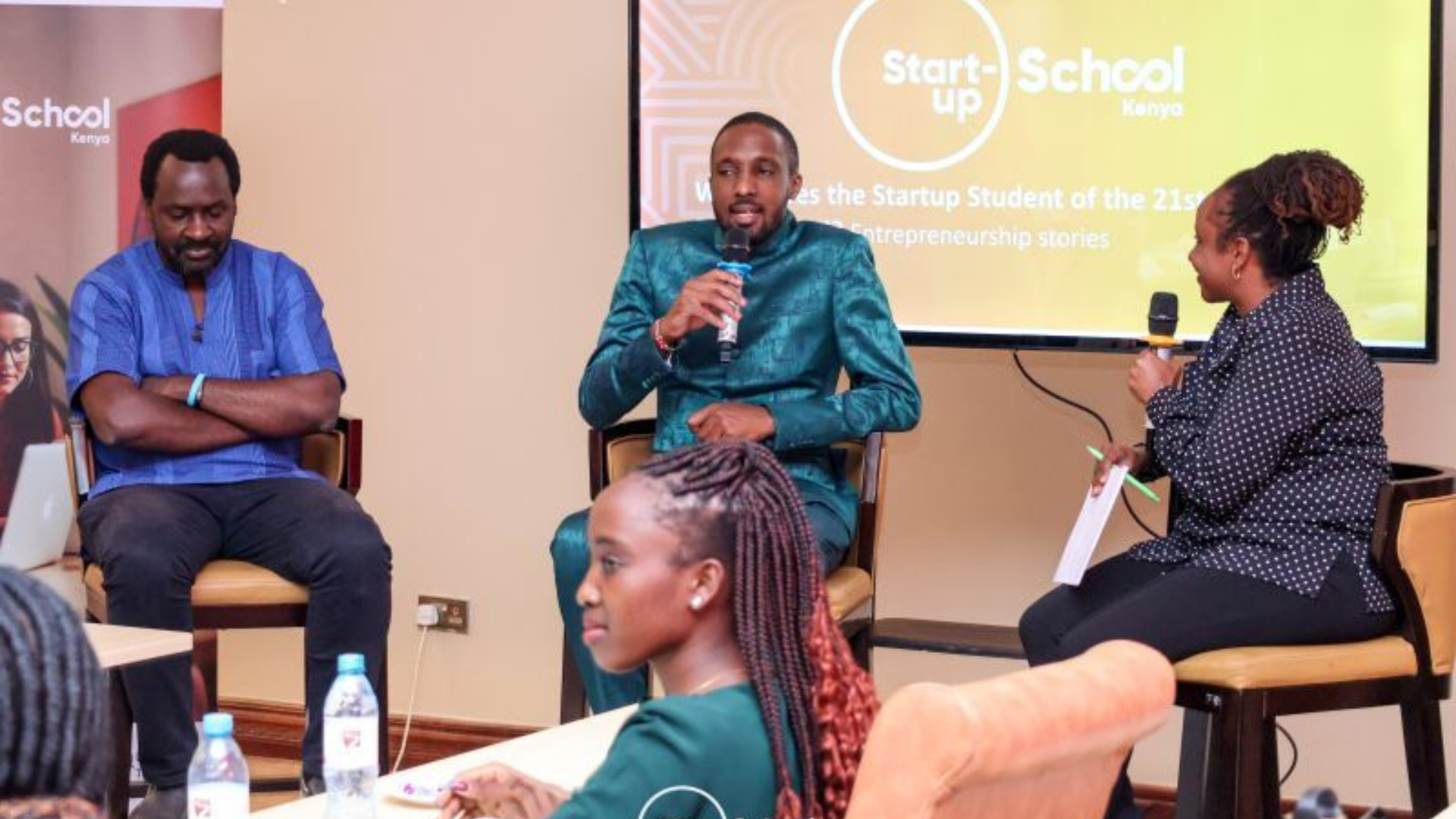
Definitely Tony Elumelu. He is a Nigerian banking pioneer and founder of UBA Bank. He gives back to the next generation of entrepreneurs across Africa through his foundation, which greatly inspires me.
11. Finally, what would you suggest to a new-born entrepreneur?
Start where you are; do not wait for the perfect condition (capital, partners and resources) to start building your startup and testing your products with customers.