

Strengthening market access remains a central pillar of the FOSTERING Project, funded by the European Union and implemented by E4Impact Foundation together with FXB Rwanda, supporting rural farmer cooperatives in Rwanda as they move toward more structured and sustainable market engagement. In recent months, E4Impact has continued to work alongside cooperatives to reinforce both digital and physical linkages with buyers, helping them transition from informal selling practices to more organized commercial relationships.
A key milestone in this process has been the integration of 30 rural farmer cooperatives into a digital B2B marketplace. For many cooperatives, this step required the gradual development of new skills, including email-based communication, online product presentation, and professional interaction with buyers. Throughout this process, particular attention has been paid to youth involvement, encouraging younger cooperative members to see agriculture as a modern, opportunity-driven sector shaped by digital tools and market connectivity.
Currently, around 90% of the cooperatives supported by the project are onboarded onto the B2B platform. The focus is now on strengthening effective use rather than simple access. With the support of Local Business Coaches, cooperative leaders are improving their ability to navigate the platform, upload product images, present their cooperative profiles, and communicate production capacity clearly. This ongoing coaching is building confidence, with an increasing number of cooperatives already engaging buyers directly through the platform.
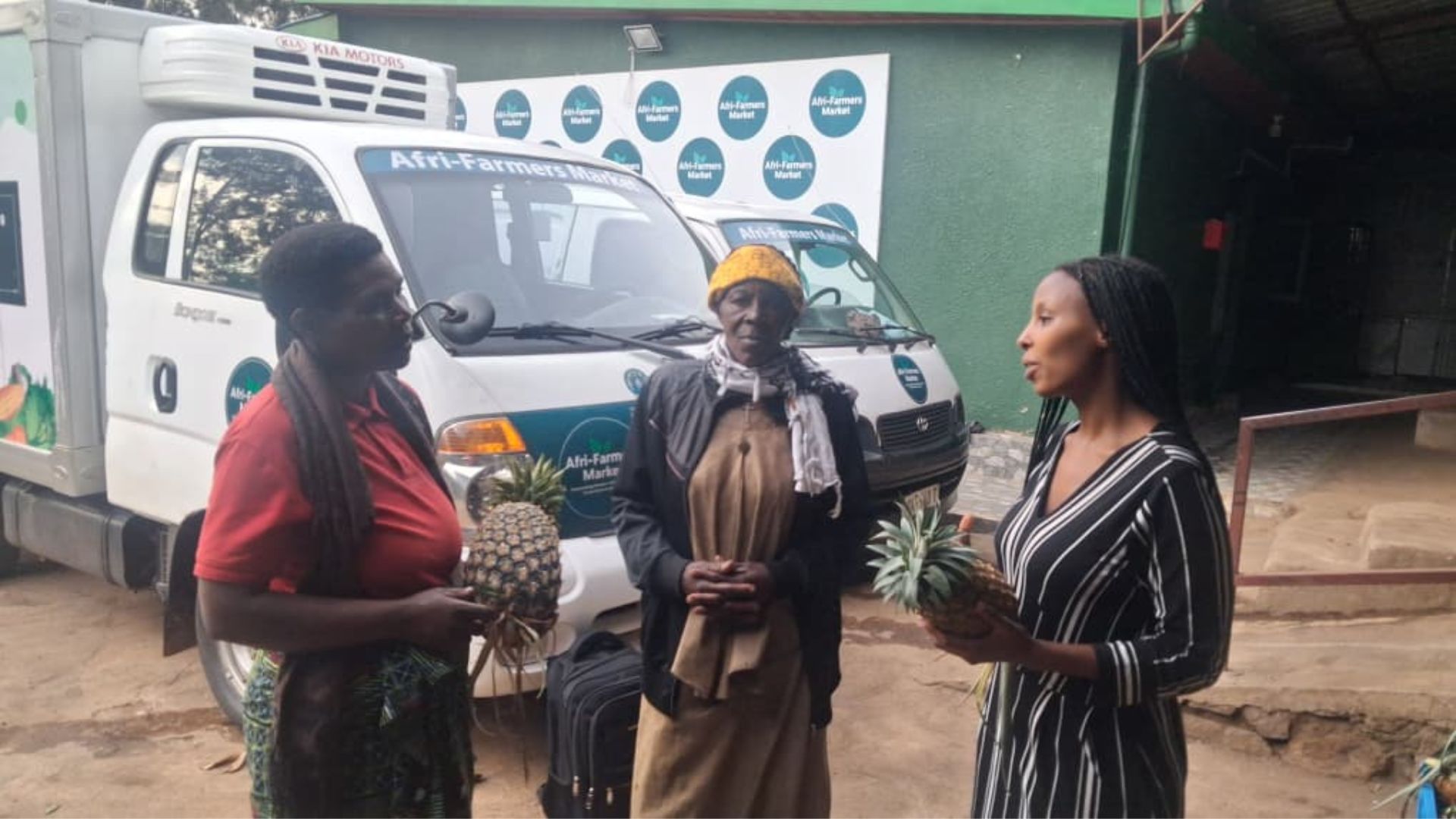
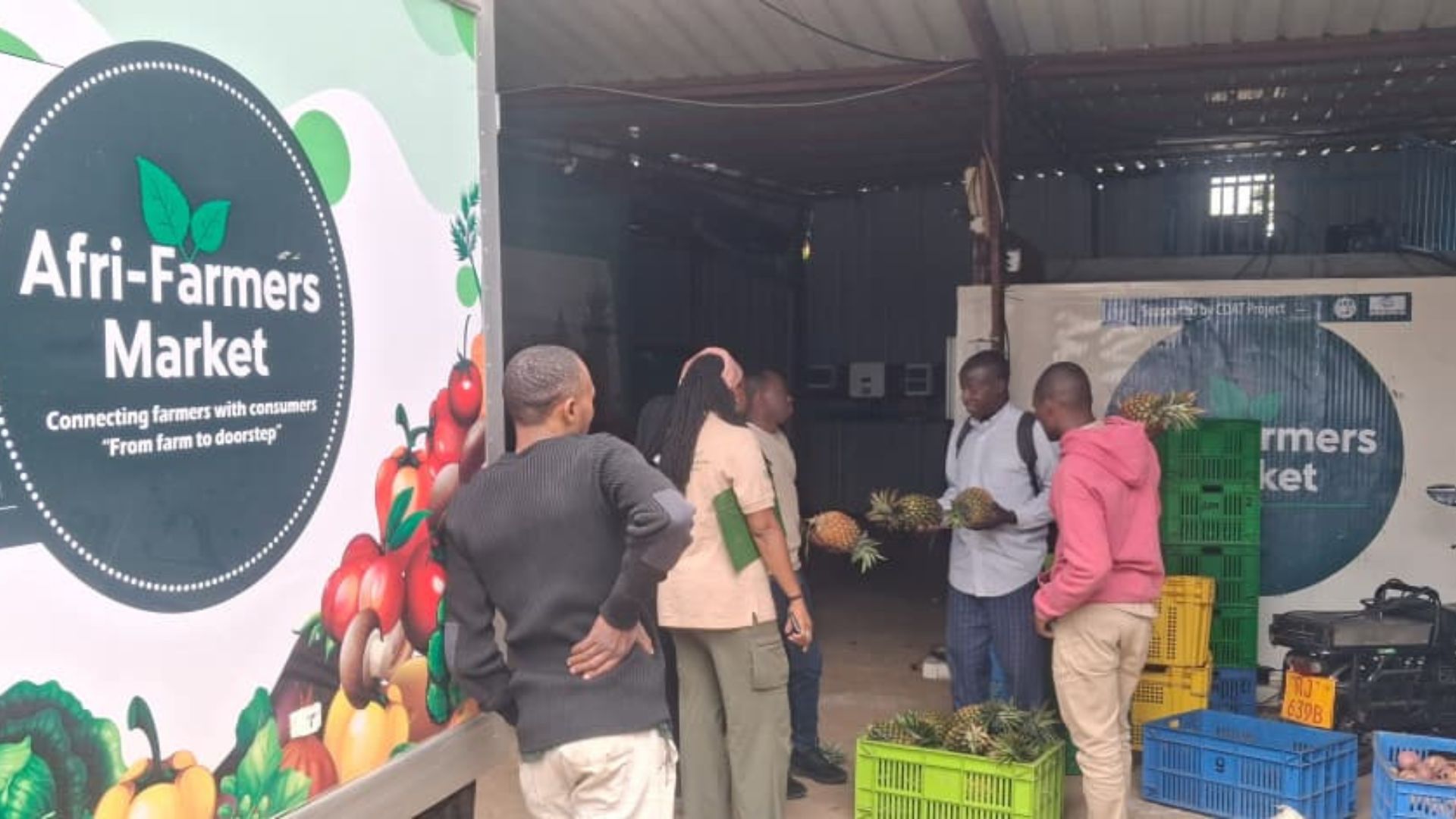
At the same time, E4Impact is actively strengthening the buyer side of the marketplace to ensure meaningful demand. The platform hosts entrepreneurs operating across Africa, including Rwanda-based businesses, and targeted engagement is underway with key aggregators and food companies in Kigali, such as Afri-Farmers Market, Cyizere Fruits, Bahage Foods, and Winnaz. These relationships are helping to create practical sourcing opportunities and reinforce links between rural producers and urban markets.
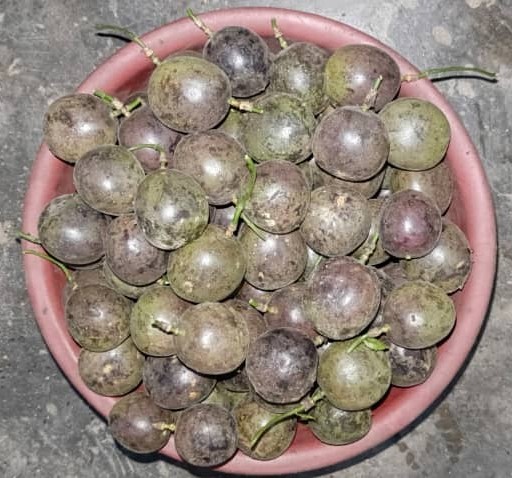
Digital engagement is complemented by direct, in-person market linkages facilitated by the project. These interactions provide space for cooperatives and buyers to meet, review produce samples, discuss quality standards, negotiate prices, and explore potential partnerships. Together, digital and physical engagement approaches help ground market relationships in both accessibility and trust.
These results are built on earlier capacity-building activities delivered under the FOSTERING Project. Cooperatives were previously trained on tendering processes, the establishment of tendering committees, the use of standardized contracts, and cost-based price negotiation. This foundation has enabled cooperatives to approach buyers with greater preparedness and confidence.
To date, cooperatives supported by the FOSTERING Project have secured 42 formal contracts with buyers within their districts, sectors, and nearby cities. These include supply agreements with schools, Early Childhood Development centers, health centers, NGOs, and supermarkets. Beyond the number of contracts, these outcomes reflect a growing readiness among cooperatives to participate effectively in structured market systems, both digitally and through direct buyer relationships.
Hausa Lightbourne