

In 2023, the E4Impact Foundation, in collaboration with the International Livestock Research Institute (ILRI), launched an innovative project in Uganda to support agripreneurs in the pig value chain. The program, part of the SAPLING initiative funded by CGIAR, focused on the districts of Masaka and Mukono, where pig farming is a vital income source for over 2 million households, mostly women. Despite Uganda being the leading consumer of pork in East Africa, producers face challenges such as low productivity, weak market linkages, and limited entrepreneurial skills.

To address these challenges, E4Impact implemented a business incubation and acceleration program, called Incubation/Acceleration of pig agripreneurs in Uganda, aimed at empowering agripreneurs with the skills, tools, and networks necessary to turn pig farming into a profitable and sustainable venture. The program was structured in three phases: pre-incubation, incubation, and post-incubation.
During the pre-incubation phase, agripreneurs were carefully selected based on their business experience, commitment, and willingness to learn. A needs assessment helped identify the key areas where training and mentorship were most needed, leading to the development of a tailored curriculum. This included workshops designed to break down business growth barriers and help agripreneurs create clear business models using lean canvas tools.

In the incubation phase, agripreneurs participated in bootcamps focused on business modeling, marketing, financial management, and value addition. Training modules covered the Business Model Canvas, financial literacy, marketing strategies, and pork processing, all aimed at refining business operations. Industry experts provided practical guidance on topics such as product pricing, customer care, and the importance of branding and packaging in the pig value chain.
The effectiveness of such a project is witnessed by the participants. For example, Simon Lubega and Ronald Mutebi, both agripreneurs who attended the Business Incubation Program, reported that, thanks to training modules such as Financial Management and Market Analysis, they now have a better understanding of their business’s actual performance. They confirm that they can now more easily adjust their product prices as needed, putting what they have learned into practice.

After completing the training, the agripreneurs graduated and were onboarded onto the iKnowFarm app, a digital platform connecting them with over 55,000 stakeholders in the agricultural sector. The app enables them to market their products and services while also offering access to information and resources. Graduation ceremonies were held in both districts, celebrating the success of 54 agripreneurs, who were now better equipped to enhance their business practices.
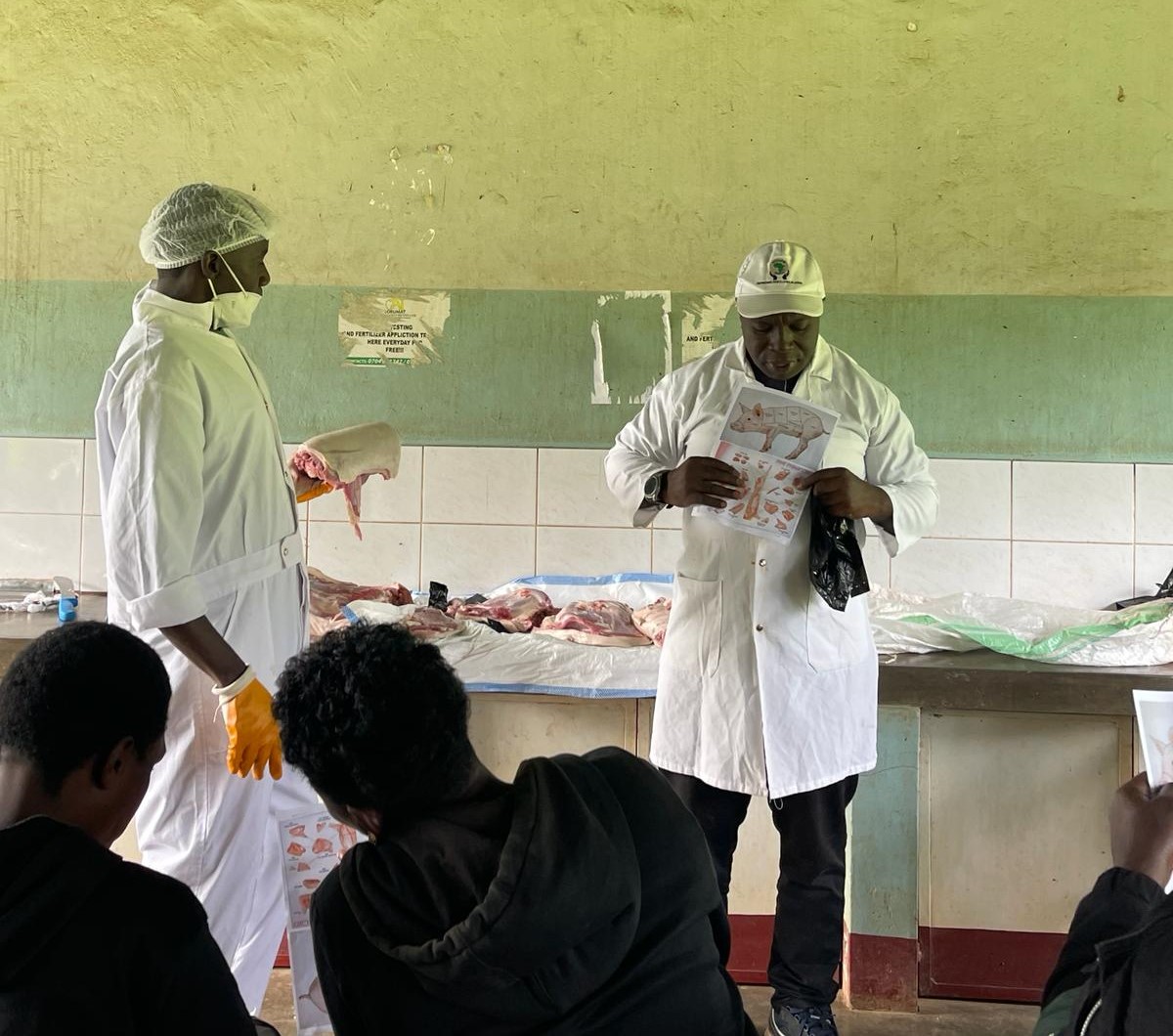
About the program, Simon from Mukono Animal Farm Investments (MAFI) affirmed:
“I received both theoretical and practical skills, useful to turn a business in a profit-making enterprise. One key lesson was the importance of consistency throughout the value chain in production. Since completing this training, we have observed improvements in our business transactions, even with the limited funds available. The supply and demand have significantly increased. Recently at MAFI, we held a gathering where participants, including aggregators, butcher operators, and consumers proposed the formation of an association with a focus on a savings culture. This initiative aims to create a conducive environment and foster solidarity to promote the industry. I am responsible for leading the mobilization and registration process, and many more people are expected to join after hearing about the initiative.”

The program led to significant improvements in agripreneurs’ practices, especially in financial management, marketing, and customer engagement. Many agripreneurs are now keeping better financial records, separating personal and business expenses, and using more competitive pricing strategies. Additionally, networking with farmers and suppliers has led to stronger business linkages and enhanced market access. Over 500 farmers were sensitized and connected with agripreneurs, fostering collaboration within the value chain.

Despite these successes, agripreneurs still face challenges such as limited access to affordable credit, inadequate storage facilities, and high energy costs. This is why, moving forward, E4Impact plans to continue supporting these entrepreneurs through additional mentorship, partnerships with financial institutions, and advocacy for cleaner, more affordable energy solutions.
Through this program, E4Impact and ILRI have made a tangible impact on Uganda’s pig value chain by empowering agripreneurs with the knowledge and tools they need to grow their businesses and improve their communities. The journey is far from over, but with continued support, the future of Uganda’s pig farming industry looks brighter and thanks to its success, the program is now also implemented in Rwanda, with the same objectives and hopefully with the same good results.
Chiara Rigoldi